
What is the difference between ZQS700L automobile structure steel plate and ordinary strength steel
A comprehensive comparison between ZQS700L high-strength automotive steel and ordinary strength steel, covering mechanical properties, processing, and industrial applications.
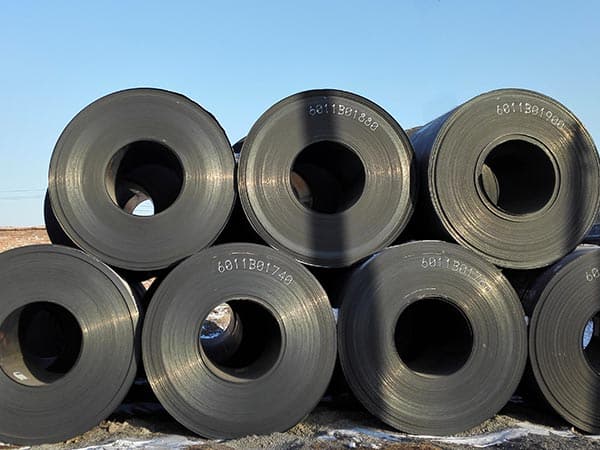
The Evolution of Automotive Materials: ZQS700L vs. Ordinary Strength Steel
In the modern manufacturing landscape, particularly within the heavy vehicle and automotive sectors, the choice of materials determines not only the performance of the product but also its safety, fuel efficiency, and environmental footprint. ZQS700L is a high-strength, low-alloy (HSLA) steel specifically designed for automotive structures. Unlike ordinary strength steel (often referred to as mild steel or carbon steel like Q235), ZQS700L represents a leap in metallurgical engineering, offering a unique balance of extreme strength and excellent formability.
Defining the Core Differences in Yield Strength
The primary differentiator between ZQS700L and ordinary strength steel lies in the numerical value associated with their yield strength. The "700" in ZQS700L signifies a minimum yield strength of 700 MPa. In contrast, ordinary structural steels like Q235 or Q345 offer yield strengths of approximately 235 MPa and 345 MPa, respectively.
This massive gap in strength allows engineers to utilize thinner sections of ZQS700L to achieve the same load-bearing capacity as much thicker sections of ordinary steel. This concept, known as lightweighting, is critical for reducing the curb weight of commercial vehicles, which directly translates to higher payloads and lower carbon emissions.
Chemical Composition and Micro-alloying Techniques
Ordinary strength steel relies primarily on carbon and manganese for its strength. While cost-effective, increasing carbon content to gain strength often compromises weldability and toughness. ZQS700L utilizes a sophisticated micro-alloying approach. By adding trace amounts of elements such as Niobium (Nb), Vanadium (V), and Titanium (Ti), manufacturers can achieve grain refinement.
- Niobium (Nb): Increases the recrystallization temperature, allowing for controlled rolling and a finer grain structure.
- Titanium (Ti): Forms stable carbides that prevent grain growth during welding and heat treatment.
- Low Carbon Content: Despite its high strength, ZQS700L maintains a low carbon equivalent, ensuring that the material remains easy to weld without the risk of cold cracking.
Mechanical Performance Comparison
| Property | Ordinary Steel (e.g., Q235B) | ZQS700L High Strength Steel |
|---|---|---|
| Yield Strength (MPa) | ≥ 235 | ≥ 700 |
| Tensile Strength (MPa) | 370 - 500 | 750 - 900 |
| Elongation (%) | ≥ 25 | ≥ 12 |
| Cold Bending (180°) | Excellent (d=0.5a) | Good (d=2a to 3a) |
Processing and Formability: A Critical Balance
One might assume that a steel with 700 MPa yield strength would be brittle and difficult to shape. However, ZQS700L is engineered for cold forming. While ordinary steel can be bent into almost any shape with minimal force, ZQS700L requires higher tonnage presses but retains surprising ductility.
For automotive manufacturers, this means that complex chassis components, cross-members, and longitudinal beams can be stamped or folded from ZQS700L without cracking. The material's fine-grained structure ensures that the edges remain stable during shearing and punching operations, reducing the need for secondary grinding or finishing.
Welding Performance and Heat Affected Zone (HAZ)
Welding ordinary steel is straightforward due to its simple chemistry. When welding high-strength steels, there is often a concern about the Heat Affected Zone (HAZ) softening. ZQS700L is specifically designed to mitigate this. Because its strength is derived from micro-alloying and thermomechanical controlled processing (TMCP) rather than high carbon levels, it exhibits excellent weldability.
Standard MIG/MAG welding processes can be used with ZQS700L. The low carbon equivalent (Ceq) ensures that the weld joint maintains a high percentage of the base metal's strength, which is vital for the structural integrity of a truck frame or a crane boom.
Environmental Adaptability and Fatigue Resistance
Automotive structures are subjected to constant vibration and cyclic loading. Ordinary steel has a lower fatigue limit, meaning it may develop cracks over time under repeated stress. ZQS700L offers superior fatigue resistance, allowing components to endure millions of cycles without failure.
Furthermore, the fine grain structure provides better low-temperature toughness. In cold climates, ordinary steel can become brittle, leading to catastrophic failure under impact. ZQS700L maintains its energy absorption capabilities even at sub-zero temperatures, making it a safer choice for vehicles operating in diverse geographic regions.
Expanding Application Industries
While the name suggests "automobile structure," the utility of ZQS700L extends far beyond passenger cars. Its high strength-to-weight ratio makes it indispensable in several high-demand sectors:
- Heavy Truck Manufacturing: Used for main longitudinal beams and cross-members to maximize load capacity.
- Construction Machinery: Ideal for crane jibs, pump truck arms, and telescopic booms where weight reduction is critical for stability.
- Agricultural Equipment: Large-scale harvesters and trailers benefit from the durability and weight savings.
- Container and Logistics: Lightweight trailer frames allow for more cargo per trip, optimizing logistics efficiency.
Economic Analysis: Cost vs. Value
On a per-ton basis, ZQS700L is more expensive than ordinary strength steel. However, a professional procurement strategy looks at the total cost of ownership. By using ZQS700L, a manufacturer can reduce the total weight of a vehicle frame by 20% to 30%. This reduction saves on material volume, lowers shipping costs, and provides a significant selling point to the end-user: increased fuel economy and higher payload capacity.
When considering the longevity and reduced maintenance costs associated with high-strength steel, the initial investment in ZQS700L often yields a much higher return on investment (ROI) compared to traditional mild steel alternatives.
Choosing the Right Material for Modern Engineering
Selecting between ZQS700L and ordinary steel is not merely a matter of strength; it is a strategic decision involving design philosophy. For simple brackets or non-load-bearing components, ordinary steel remains a viable and cost-effective choice. However, for the backbone of a vehicle or any structure where performance and safety are non-negotiable, ZQS700L high-strength steel is the superior engineering solution. Its ability to combine high yield strength with weldability and formability makes it the cornerstone of modern, efficient, and safe automotive design.
Leave a message