
Where can purchase B750L steel for automobile components with heavy thickness
Comprehensive guide on sourcing heavy thickness B750L steel for automotive components, covering mechanical properties, processing characteristics, and supplier selection.
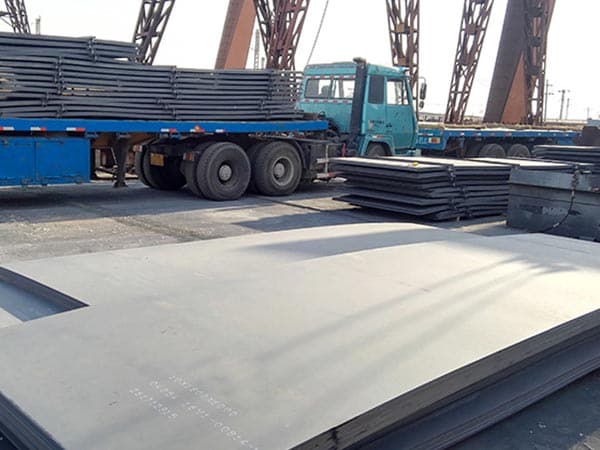
The Strategic Importance of B750L in Modern Vehicle Engineering
Finding a reliable source for B750L steel, especially in heavy thickness specifications, is a critical challenge for automotive engineers and procurement specialists. B750L is a high-strength low-alloy (HSLA) structural steel specifically designed for the demanding requirements of the automotive industry. As vehicles transition toward higher payload capacities and improved safety standards, the demand for materials that offer both high yield strength and excellent formability has surged. B750L stands out because it provides a minimum yield strength of 750 MPa, making it ideal for structural components that must withstand extreme stress without adding unnecessary weight.
When we discuss heavy thickness in the context of B750L, we are typically referring to plates or strips ranging from 6mm to 16mm or more. These thicknesses are predominantly used in heavy-duty truck frames, chassis cross-members, and axle housings. Sourcing these specific dimensions requires a supplier that understands the nuances of metallurgical consistency across the entire cross-section of the plate.
Understanding the Metallurgical Profile of B750L
The performance of B750L is rooted in its sophisticated chemical composition. Unlike standard carbon steels, B750L utilizes micro-alloying elements such as Niobium (Nb), Titanium (Ti), and Vanadium (V). These elements promote grain refinement during the rolling process, which is essential for maintaining toughness in thicker sections. For heavy thickness applications, the cooling rate during production must be precisely controlled to prevent the formation of coarse grains that could lead to brittle failure.
| Element | Carbon (C) Max % | Silicon (Si) Max % | Manganese (Mn) Max % | Phosphorus (P) Max % | Sulfur (S) Max % | Aluminium (Al) Min % |
|---|---|---|---|---|---|---|
| B750L Content | 0.12 | 0.50 | 2.00 | 0.025 | 0.015 | 0.015 |
The low carbon content ensures that the material remains weldable, a vital attribute for automotive assembly lines. The addition of Manganese enhances hardenability and strength, while the strict limits on Phosphorus and Sulfur ensure high internal purity, reducing the risk of lamellar tearing in heavy-duty welded joints.
Mechanical Properties and Performance Benchmarks
For heavy thickness components, the mechanical properties of B750L must be uniform from the surface to the core. This is particularly important for parts like heavy truck longitudinal beams, where the material undergoes significant bending and fatigue cycles. The high yield-to-tensile ratio of B750L allows for significant weight reduction (lightweighting) without compromising the structural integrity of the vehicle.
| Property | Yield Strength (MPa) | Tensile Strength (MPa) | Elongation A50mm (%) | Impact Energy (Charpy V-Notch) |
|---|---|---|---|---|
| B750L Standard | ≥ 750 | 800 - 950 | ≥ 12 | ≥ 27J at -20°C |
One of the most critical aspects of B750L is its impact toughness at low temperatures. Heavy-duty vehicles often operate in harsh environments, and the steel must resist crack propagation even in sub-zero conditions. The high elongation percentage, even at high strength levels, indicates that the material can be cold-formed into complex shapes without cracking.
Processing Performance: Bending and Welding Heavy Sections
Processing heavy thickness B750L requires specialized equipment and techniques. Due to its high strength, the springback effect during cold bending is more pronounced than with lower-grade steels. Fabricators must use precision CNC press brakes with high tonnage and adjust their tooling to account for the material's elasticity. For thicknesses above 8mm, a larger inner bend radius is typically recommended to prevent micro-cracking on the outer tension surface.
- Welding Compatibility: B750L exhibits excellent weldability using standard processes such as MAG (Metal Active Gas) and MIG (Metal Inert Gas) welding. Because of its low carbon equivalent (Ceq), preheating is often unnecessary for medium thicknesses, though it may be required for very heavy sections to manage the cooling rate and hydrogen diffusion.
- Laser and Plasma Cutting: The clean chemical composition of B750L makes it highly suitable for laser cutting. The resulting edges are smooth and require minimal post-processing, which is a significant advantage for high-volume automotive production.
- Surface Treatment: B750L is compatible with various anti-corrosion treatments, including hot-dip galvanizing and E-coating (electrophoretic painting), which are standard in the automotive industry to ensure long-term durability.
Key Applications in the Automotive Industry
The shift toward high-efficiency logistics has made B750L a preferred choice for various heavy-duty applications. Its ability to handle high static and dynamic loads makes it indispensable for components that form the backbone of the vehicle.
Chassis Systems: The main frame of heavy trucks requires a balance of rigidity and flexibility. B750L provides the necessary strength to support the engine, transmission, and cargo while absorbing the shocks from uneven road surfaces. By using heavy thickness B750L, manufacturers can eliminate the need for reinforcement plates, thereby reducing assembly time and vehicle weight.
Axle Housings and Suspension Brackets: These components are subject to multi-axial stresses. The fatigue resistance of B750L ensures that these parts do not fail prematurely under the constant vibration and load fluctuations inherent in commercial transport.
Where to Purchase Heavy Thickness B750L Steel
Sourcing B750L is not as simple as buying commodity carbon steel. It requires partnering with suppliers who have direct access to Tier 1 steel mills. Major global producers like Baosteel, Shougang, and certain European mills specialize in these high-grade automotive steels. When looking for a supplier, consider the following criteria:
- Certification: Ensure the supplier provides IATF 16949 certified materials. This is the gold standard for automotive quality management systems and guarantees that the steel meets the rigorous safety requirements of the industry.
- Inventory and Processing Capabilities: A good supplier should not only stock B750L but also offer value-added services such as decoiling, precision slitting, and custom blanking. For heavy thickness plates, the ability to provide leveled and stress-relieved material is crucial.
- Traceability: Every batch of B750L should come with a Mill Test Certificate (MTC) that details the chemical heat analysis and mechanical test results. This ensures that the material you receive matches the engineering specifications.
- Technical Support: Choose a distributor that offers metallurgical consulting. They can help you optimize your forming and welding parameters to maximize the benefits of using B750L.
Environmental Adaptability and Sustainability
Modern automotive manufacturing is increasingly focused on the lifecycle impact of materials. B750L contributes to sustainability in two primary ways. First, its high strength-to-weight ratio allows for the design of lighter vehicles, which directly translates to lower fuel consumption and reduced CO2 emissions. Second, HSLA steels like B750L are fully recyclable. At the end of the vehicle's life, the steel can be recovered and processed into new high-quality products without loss of performance.
Furthermore, the durability of B750L extends the service life of heavy-duty vehicles. By resisting deformation and fatigue, components made from B750L require less frequent replacement, reducing the overall environmental footprint of the transport industry. This combination of performance and responsibility makes B750L a cornerstone of the circular economy in automotive engineering.
Final Considerations for Procurement Teams
When requesting quotes for B750L, it is essential to specify the exact thickness and width requirements, as well as any specific surface finish preferences (e.g., pickled and oiled). Given the specialized nature of heavy thickness HSLA steel, lead times can vary. Establishing a long-term relationship with a specialized steel service center can provide more stable pricing and guaranteed availability, even during market fluctuations. By focusing on quality and technical compliance rather than just the lowest price per ton, manufacturers can ensure the safety and reliability of their automotive components.
Leave a message