
What is the EN 10149-2 S960MC steel coil shapes
A detailed technical analysis of EN 10149-2 S960MC steel coils, covering chemical composition, mechanical performance, processing techniques, and industrial usage.
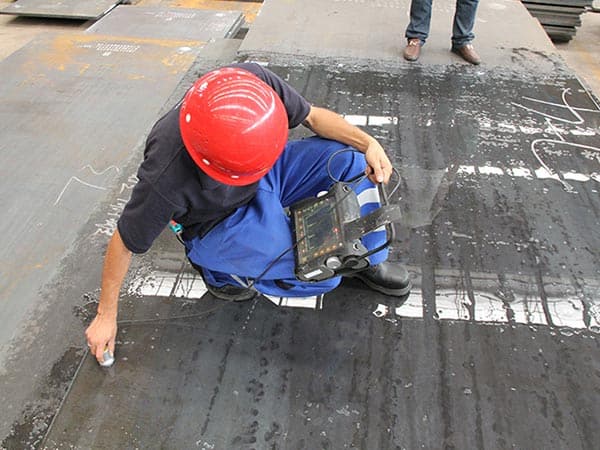
The Technical Essence of EN 10149-2 S960MC Steel Coils
EN 10149-2 S960MC is a high-yield strength steel produced through a sophisticated thermomechanical rolling process. The 'S' denotes structural steel, '960' represents the minimum yield strength of 960 MPa, 'M' indicates the thermomechanical rolling condition, and 'C' signifies its suitability for cold forming. This material represents the pinnacle of hot-rolled flat products, offering a unique combination of extreme strength and remarkable ductility. Unlike traditional quenched and tempered steels, S960MC achieves its properties through precise control of the rolling temperature and cooling rate, which results in a fine-grained microstructure. This metallurgical approach allows for a lower carbon equivalent, significantly enhancing weldability and toughness compared to other steels of similar strength levels.
Chemical Composition and the Role of Micro-alloying
The performance of S960MC is rooted in its chemistry. The standard specifies strict limits on carbon and alloying elements to ensure the material remains workable despite its high strength. Micro-alloying elements such as Niobium (Nb), Vanadium (V), and Titanium (Ti) are added in minute quantities. These elements form carbides and nitrides that pin grain boundaries during the rolling process, preventing grain growth and ensuring a refined ferritic-bainitic structure. This grain refinement is the primary mechanism for achieving 960 MPa yield strength without sacrificing impact toughness. Below is the typical chemical composition based on the EN 10149-2 specification:
| Element | Max Content (%) |
|---|---|
| Carbon (C) | 0.20 |
| Manganese (Mn) | 2.20 |
| Silicon (Si) | 0.60 |
| Phosphorus (P) | 0.025 |
| Sulphur (S) | 0.010 |
| Aluminum (Al) | 0.015 |
| Niobium (Nb) | 0.09 |
| Vanadium (V) | 0.20 |
| Titanium (Ti) | 0.25 |
The low carbon content (max 0.20%) is crucial for maintaining a low Carbon Equivalent Value (CEV), which directly translates to superior weldability. This allows engineers to join S960MC components using standard welding processes without the extensive preheating often required for high-strength alloys.
Mechanical Properties and Structural Integrity
The mechanical properties of S960MC are what set it apart in heavy-duty engineering. With a minimum yield strength of 960 MPa and a tensile strength ranging between 980 and 1250 MPa, this steel allows for significant weight reduction in structural designs. By using thinner sections of S960MC to replace thicker sections of lower-grade steels like S355 or S700, manufacturers can reduce the overall weight of vehicles and machinery, leading to higher payloads and lower fuel consumption. The elongation properties, while lower than mild steel, remain sufficient for complex cold-forming operations.
| Property | Value |
|---|---|
| Min. Yield Strength (MPa) | 960 |
| Tensile Strength (MPa) | 980 - 1250 |
| Min. Elongation A80mm (%) | 7 (for thickness < 3mm) |
| Min. Elongation A5 (%) | 10 (for thickness >= 3mm) |
| Bending Radius (90°) | 3.0 x t (thickness) |
It is important to note that these properties are measured longitudinal to the rolling direction. The thermomechanical process ensures that the steel maintains high toughness even at low temperatures, making it suitable for equipment operating in harsh, cold environments.
Available Shapes and Dimensional Configurations
When discussing the 'shapes' of EN 10149-2 S960MC, we primarily refer to the forms in which the material is supplied and subsequently processed. As a hot-rolled product, it is most commonly available in the following configurations:
- Mother Coils: These are the large, continuous rolls of steel as they come off the hot strip mill. They typically range in width from 1000mm to 1500mm and can weigh up to 30 tons.
- Slit Coils (Strip): Mother coils can be slit into narrower widths to meet specific manufacturing requirements. This is common for automated roll-forming or stamping lines.
- Cut-to-Length Sheets: Coils are leveled and cut into flat rectangular sheets. The leveling process is critical for S960MC to relieve internal stresses generated during rolling and coiling.
- Pickled and Oiled (P&O): To improve surface quality, coils can be passed through an acid bath to remove mill scale and then oiled to prevent corrosion. This shape is preferred for applications requiring high-quality surface finishes or laser cutting.
The thickness of S960MC coils typically ranges from 3.0mm to 12.0mm. Due to the extreme strength of the material, rolling it to very thin gauges while maintaining flatness is a significant metallurgical feat.
Advanced Processing: Bending and Welding
Fabricating S960MC requires an understanding of its unique physical limits. Because of its high yield strength, the material exhibits significant 'springback' during cold bending. Fabricators must compensate for this by over-bending the material. The minimum bending radius is typically three times the material thickness (3t), which is impressively tight for a steel with nearly 1000 MPa yield strength. This flexibility allows for the design of complex, weight-optimized profiles in crane booms and chassis frames.
Welding S960MC is highly efficient due to its low alloy content. Standard methods such as MAG (Metal Active Gas), submerged arc welding, and laser welding are all applicable. However, to preserve the fine-grained structure, heat input must be carefully controlled. Excessive heat can lead to grain coarsening in the Heat Affected Zone (HAZ), which may reduce the local strength and toughness. Using high-quality filler metals that match the strength of the base material is essential for ensuring the integrity of the welded joint.
Strategic Applications in Modern Industry
The adoption of S960MC is driven by the need for efficiency and performance. In the lifting and transportation sectors, it is the material of choice for telescopic crane booms. The high strength-to-weight ratio allows cranes to reach higher and lift heavier loads without increasing the weight of the vehicle itself. Similarly, in the automotive and trailer industries, S960MC is used for longitudinal beams and cross-members in truck chassis. Reducing the dead weight of a trailer directly increases its legal payload capacity, providing a clear economic advantage for fleet operators.
Other critical applications include:
- Mining Equipment: Support structures and conveyor systems that require high wear resistance and structural strength.
- Agricultural Machinery: Large-scale harvesters and plows where weight reduction improves soil compaction issues.
- Offshore Structures: Secondary structures where high strength and low-temperature toughness are required.
Environmental Impact and Sustainability
The use of S960MC contributes significantly to environmental sustainability. By enabling the construction of lighter vehicles, it reduces the energy required for transport and lowers CO2 emissions over the lifespan of the equipment. Furthermore, the thermomechanical rolling process is more energy-efficient than the traditional quenching and tempering route, as it utilizes the heat from the rolling process to achieve the desired properties, eliminating the need for a separate reheating cycle. The recyclability of S960MC is identical to standard carbon steel, ensuring it fits perfectly into a circular economy.
Quality Standards and Compliance
Supplying S960MC requires adherence to strict quality control protocols. Every coil is typically accompanied by a 3.1 mill test certificate according to EN 10204, detailing the exact chemical composition and mechanical test results. Dimensional tolerances are governed by EN 10051, which specifies the allowable deviations in thickness, width, and flatness. For high-precision applications, such as laser cutting, choosing material with superior flatness and a pickled surface is essential to ensure consistent processing results and minimize waste.
Leave a message