
What is the main use of S700MC pickled steel coil
Discover the comprehensive applications and technical advantages of S700MC pickled steel coil. Learn about its mechanical properties, processing performance, and why it is the preferred choice for lightweight construction in heavy transport and engineerin
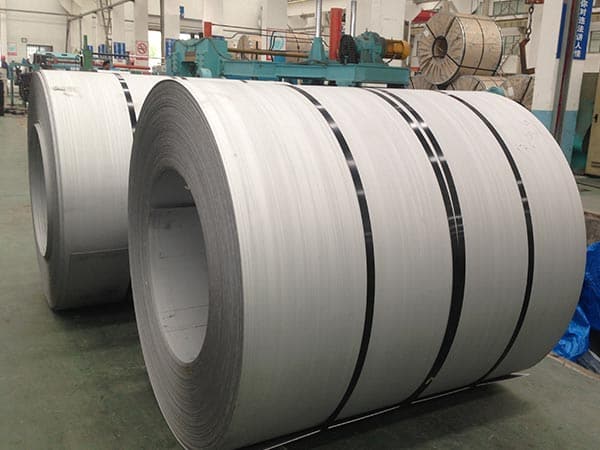
The Engineering Significance of S700MC Pickled Steel Coil
S700MC is a high-strength, low-alloy (HSLA) structural steel that has revolutionized the way engineers approach weight reduction and structural integrity. The "S" stands for structural steel, "700" denotes a minimum yield strength of 700 MPa, and "MC" indicates that the material is thermomechanically rolled (M) and designed for cold forming (C). When provided in a pickled and oiled condition, this steel offers a superior surface finish that is free from mill scale, making it an ideal candidate for precision manufacturing and high-end industrial applications.
The primary driver behind the widespread adoption of S700MC pickled steel coil is the global demand for lightweighting. In industries where every kilogram saved translates into increased payload or reduced fuel consumption, S700MC provides a unique balance of extreme strength and excellent formability. Unlike traditional carbon steels, S700MC achieves its properties through a sophisticated thermomechanical rolling process combined with micro-alloying, rather than high carbon content, which ensures exceptional weldability and toughness.
Core Mechanical Properties and Metallurgical Excellence
The performance of S700MC is rooted in its fine-grained microstructure. By utilizing micro-alloying elements such as Niobium (Nb), Vanadium (V), and Titanium (Ti), manufacturers can refine the grain size during the rolling process. This grain refinement is the only strengthening mechanism that simultaneously improves both strength and toughness. For engineers, this means the material can withstand high stress without brittle failure, even at low temperatures.
| Mechanical Property | Value (Minimum or Range) |
|---|---|
| Yield Strength (ReH) | Min. 700 MPa |
| Tensile Strength (Rm) | 750 - 950 MPa |
| Elongation (A80mm) | Min. 10% (thickness < 3mm) |
| Bending Radius (90°) | Min. 1.5 x Thickness |
The high yield strength allows for significant thickness reduction in structural components. For example, replacing a standard S355 steel with S700MC can often result in a weight saving of 30% to 40% while maintaining the same load-bearing capacity. This "downgauging" is the fundamental reason why S700MC is the backbone of modern heavy-duty transport design.
Why the Pickling Process is Critical
While the base S700MC grade provides the strength, the "pickled and oiled" (P&O) surface treatment adds significant value to the manufacturing workflow. Pickling involves passing the steel through an acid bath to remove the dark iron oxide scale formed during hot rolling. This process is essential for several reasons:
- Enhanced Surface Quality: The removal of abrasive scale protects expensive stamping dies and forming tools from premature wear, significantly reducing maintenance costs.
- Superior Coating Adhesion: A clean, scale-free surface is a prerequisite for high-quality painting, powder coating, or galvanizing. S700MC pickled steel ensures that the final protective layer adheres perfectly, preventing sub-film corrosion.
- Precision Laser Cutting: Mill scale can interfere with laser beams, causing inconsistent cuts and dross. Pickled steel allows for faster, cleaner laser cutting, which is vital for the intricate geometries often found in high-strength components.
- Improved Weld Consistency: Welding over scale can introduce inclusions and porosity. A pickled surface ensures a stable arc and high-quality weld beads without the need for manual grinding before assembly.
Main Uses in the Heavy Transport Sector
The most prominent application for S700MC pickled steel coil is in the manufacturing of chassis and frames for heavy-duty vehicles. Long-haul trucks, trailers, and semi-trailers operate under extreme dynamic loads. By using S700MC, manufacturers can build lighter frames that allow for higher cargo capacity, directly improving the operational efficiency of logistics fleets.
In the trailer industry, S700MC is used for longitudinal beams and cross-members. These components must resist fatigue and bending while being light enough to meet strict road weight regulations. The excellent cold-forming properties of S700MC allow these beams to be bent into complex shapes without cracking, maintaining structural integrity throughout the vehicle's lifecycle.
Applications in Lifting and Construction Equipment
Mobile cranes, truck-mounted cranes, and aerial work platforms require materials that offer high strength-to-weight ratios. The boom of a crane, for instance, must be light enough to be maneuvered easily but strong enough to lift several tons. S700MC is frequently used in the telescopic sections of cranes and the structural outriggers that stabilize the equipment during operation.
Beyond cranes, the construction sector utilizes S700MC in the manufacturing of concrete pump arms and earthmoving equipment. The ability of S700MC to withstand high-stress cycles makes it perfect for equipment that undergoes repetitive loading and unloading. The pickled surface is particularly valued here, as these machines are often finished with high-durability coatings to withstand harsh outdoor environments.
Agricultural Machinery and Specialized Equipment
Modern agriculture demands larger, faster, and more efficient machinery. S700MC pickled steel is used in the frames of large seeders, plows, and harvesters. These machines must be robust enough to handle the rigors of soil interaction while remaining light enough to minimize soil compaction. The use of S700MC allows for wider working widths without a proportional increase in machine weight.
In the waste management industry, refuse collection vehicles (garbage trucks) utilize S700MC for their compaction mechanisms and body structures. The high strength helps resist the internal pressures of waste compaction, while the pickled surface ensures that the vehicle can be painted to a high standard to resist the corrosive nature of organic waste.
Processing Performance: Welding and Forming
One of the common misconceptions about high-strength steel is that it is difficult to process. S700MC defies this by offering excellent weldability. Due to its low carbon equivalent (CEV), it can be welded using standard processes such as MAG (Metal Active Gas) or laser welding without the need for preheating in most thickness ranges. This simplifies the production line and reduces energy consumption.
When it comes to cold forming, S700MC exhibits remarkable ductility for its strength level. It can be bent to tight radii, provided that the orientation of the bend relative to the rolling direction is considered. This formability allows designers to replace heavy cast parts with lighter, welded assemblies made from formed S700MC sheets, further contributing to weight reduction and cost savings.
Environmental Impact and Sustainability
The use of S700MC pickled steel coil contributes significantly to environmental sustainability. By enabling the construction of lighter vehicles, it directly reduces CO2 emissions during the transport phase. Furthermore, the longevity and durability of S700MC mean that equipment has a longer service life, reducing the need for frequent replacement and the associated resource consumption.
The steel itself is fully recyclable. At the end of its life, S700MC components can be melted down to produce new steel without loss of quality. The efficiency gained through downgauging also means that less raw material is required to achieve the same structural goals, reducing the overall environmental footprint of the manufacturing process from the outset.
Strategic Advantage in Modern Manufacturing
Choosing S700MC pickled steel coil is a strategic decision for manufacturers looking to stay competitive in an era of rising energy costs and strict environmental regulations. The combination of high yield strength, superior surface finish, and ease of processing makes it a versatile tool for solving complex engineering challenges. Whether it is increasing the payload of a trailer, extending the reach of a crane, or improving the durability of agricultural tools, S700MC delivers performance that standard steels simply cannot match.
As material science continues to evolve, S700MC remains at the forefront of the HSLA category. Its widespread availability in coil form allows for high-volume automated production, ensuring that the benefits of high-strength steel are accessible to a broad range of industrial sectors. By integrating S700MC into their designs, companies can achieve a perfect harmony between strength, efficiency, and sustainability.
Leave a message