
What is the notice of preheating before S420MC pickled steel sheet cutting
Detailed technical guide on preheating S420MC pickled steel sheets before cutting. Learn about chemical properties, mechanical impact, and industry-specific protocols to prevent cracking and ensure structural integrity.
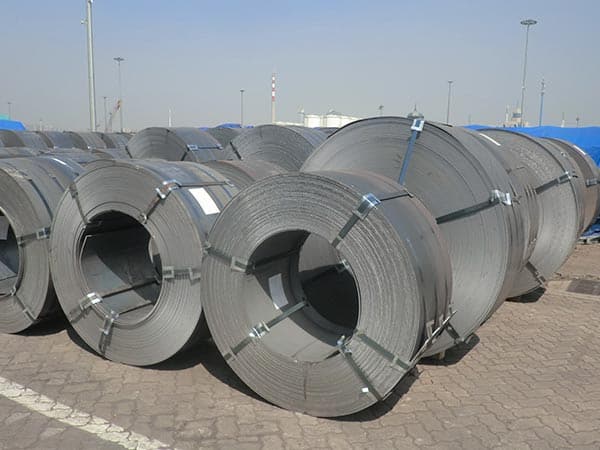
Understanding S420MC Pickled Steel Characteristics
S420MC is a high-strength low-alloy (HSLA) steel grade designed for cold-forming applications, governed by the EN 10149-2 standard. The "MC" designation indicates that the material has undergone thermomechanically controlled rolling, ensuring a fine-grained microstructure that balances high yield strength with excellent ductility. When we discuss the "pickled" (S420MC+P) variant, we refer to a surface treatment where hydrochloric or sulfuric acid removes the hot-rolled oxide scale. This process results in a clean, smooth surface that is ideal for precision laser cutting and subsequent coating or painting. However, the removal of the scale and the high-strength nature of the substrate introduce specific thermal management requirements during the cutting process.
The yield strength of S420MC is at least 420 MPa, which is significantly higher than standard structural steels like S235 or S355. This higher strength is achieved through micro-alloying with elements such as Niobium (Nb), Vanadium (V), and Titanium (Ti). While these elements enhance mechanical properties, they also influence the steel's hardenability and its reaction to rapid heating and cooling cycles inherent in thermal cutting methods like laser, plasma, or oxy-fuel cutting.
The Science Behind Preheating: Why It Matters
Preheating is not merely a procedural suggestion; it is a critical metallurgical intervention. When a high-energy heat source—such as a laser beam or plasma arc—strikes the S420MC pickled sheet, it creates a localized Heat Affected Zone (HAZ). The rapid cooling that follows the passage of the cutting head can lead to the formation of brittle martensite if the cooling rate exceeds a critical threshold. This is particularly dangerous in S420MC because the internal stresses from the thermomechanical rolling process are still present.
Preheating serves three primary functions:Reducing the temperature gradient between the cutting point and the rest of the sheet, slowing the cooling rate (t8/5 time) to allow for more ductile microstructures to form, and promoting the diffusion of hydrogen. Pickled steel can sometimes trap trace amounts of hydrogen from the acid cleaning process; preheating helps liberate this hydrogen, significantly reducing the risk of Hydrogen-Induced Cracking (HIC) or cold cracking.
Chemical Composition and Carbon Equivalent (Ceq)
The necessity of preheating is often determined by the Carbon Equivalent (Ceq) value. For S420MC, the carbon content is kept low to ensure weldability and formability, but the cumulative effect of manganese and micro-alloys must be accounted for. A higher Ceq indicates a higher risk of hardening in the HAZ.
| Element | C (max) | Mn (max) | Si (max) | P (max) | S (max) | Al (min) | Nb+V+Ti (max) |
|---|---|---|---|---|---|---|---|
| S420MC Content (%) | 0.12 | 1.60 | 0.50 | 0.025 | 0.015 | 0.015 | 0.22 |
Despite the low carbon content, the high manganese and micro-alloy levels mean that for thicknesses exceeding 8mm, or when cutting in cold ambient environments (below 5°C), preheating becomes a mandatory safeguard to maintain the integrity of the cut edge.
Mechanical Properties and Thermal Stress Management
The mechanical performance of S420MC is optimized for structural components that require weight reduction without sacrificing safety. Cutting this material without proper thermal preparation can lead to edge hardening, which might result in micro-cracks during subsequent bending or welding operations.
| Property | Yield Strength (MPa) | Tensile Strength (MPa) | Elongation (%) | Min. Bend Radius (180°) |
|---|---|---|---|---|
| S420MC Specification | ≥ 420 | 480 - 620 | ≥ 16 - 19 | 0.5t to 1.5t |
Preheating ensures that the edge remains ductile enough to handle the 0.5t to 1.5t bend radius requirements. If the edge becomes too hard due to rapid quenching during the cutting process, the material may fail during the cold-forming stage, leading to costly scrap and safety concerns in the final application.
Technical Parameters for Preheating S420MC Pickled Sheets
The specific preheating temperature depends on the sheet thickness and the cutting method employed. For S420MC pickled sheets, which are typically available in thicknesses from 2mm to 15mm, the following guidelines apply:
- Thickness < 6mm: Preheating is generally not required if the ambient temperature is above 15°C. However, if the material is stored in a cold warehouse, it should be allowed to reach room temperature.
- Thickness 6mm - 10mm: A mild preheat to 60°C - 80°C is recommended, especially for plasma cutting, to reduce the thermal shock.
- Thickness > 10mm: A preheat of 100°C - 120°C is advised. This ensures the temperature gradient is managed effectively across the thicker cross-section.
- Environmental Factor: If the workshop temperature is below 5°C, all S420MC sheets regardless of thickness should be preheated to at least 50°C.
Impact of Pickled Surfaces on Thermal Absorption
The pickled surface of S420MC-P plays a unique role in the preheating and cutting process. Unlike hot-rolled steel with a dark oxide scale, pickled steel has a higher reflectivity and a different emissivity coefficient. In laser cutting, particularly with CO2 lasers, the absence of scale means the beam is absorbed differently. While fiber lasers handle this well, the preheating process must be uniform.
When using flame heating for preheating, operators must ensure that the flame does not contaminate the clean, pickled surface with carbon soot or moisture. An oxidizing flame is preferred over a reducing flame to keep the surface clean for the subsequent cutting gas (Oxygen or Nitrogen). The lack of scale also means heat dissipates faster from the surface; therefore, the time between preheating and cutting must be minimized to maintain the target temperature.
Comparison of Cutting Methods and Preheating Needs
Different cutting technologies impose varying degrees of thermal stress on S420MC pickled sheets. Understanding these differences is vital for determining the preheating intensity.
| Cutting Method | Heat Input Level | HAZ Width | Preheating Necessity |
|---|---|---|---|
| Laser Cutting | Low/Concentrated | Very Narrow | Low (except for thick plates) |
| Plasma Cutting | Medium | Moderate | Recommended for >8mm |
| Oxy-Fuel Cutting | High | Wide | Highly Recommended |
Laser cutting is the most common method for S420MC pickled sheets due to the clean surface. While the HAZ is narrow, the cooling rate is extremely fast. For high-precision automotive parts, even a narrow HAZ with high hardness can be problematic, making a low-temperature preheat a wise precautionary measure.
Best Practices for On-site Implementation
To achieve the best results when cutting S420MC, follow these operational notices:Uniformity is key. Use a wide-flame burner or an induction heating system to ensure the heat is distributed evenly across the cutting path. Localized "hot spots" can cause warping, which interferes with laser nozzle height sensors. Temperature monitoring should be performed using infrared thermometers or temperature-indicating crayons (Tempilstiks). Measurements should be taken on the side opposite the heat source to ensure through-thickness heating.
Furthermore, the cutting speed must be optimized in conjunction with the preheat temperature. If the material is preheated, the cutting speed can often be slightly increased, but this must be balanced against the risk of excessive dross formation. For pickled steel, using high-purity Nitrogen as a shielding gas during laser cutting prevents oxidation of the edge, maintaining the benefits of the pickling process.
Industry-Specific Considerations
S420MC pickled steel is a staple in the automotive and heavy machinery sectors. In the manufacturing of truck chassis, crane booms, and agricultural equipment, the structural integrity of every cut edge is non-negotiable. In these industries, the notice of preheating is often integrated into the Quality Management System (QMS).
For automotive frames, where fatigue resistance is paramount, any micro-cracking at the cut edge caused by thermal shock can lead to catastrophic failure under cyclic loading. Therefore, preheating is treated as a critical process step. Similarly, in the production of cold-pressed profiles, the pickled surface ensures that the tooling is not damaged by scale, while preheating ensures the edges do not crack during the high-pressure forming process.
Storage and Handling Post-Cutting
After the preheating and cutting cycle is complete, the way S420MC sheets are cooled and stored is equally important. Rapid cooling after cutting (such as quenching with water or exposure to strong drafts) should be strictly avoided. The sheets should be allowed to air cool in a stack, which provides a natural annealing effect, further reducing residual stresses.
Since the pickled surface is sensitive to corrosion once the protective oil film is disturbed by heat, it is advisable to re-oil the cut edges or move the parts quickly to the next stage of production (welding or coating). Maintaining a dry, temperature-controlled environment prevents the formation of "flash rust" on the newly exposed edges of the S420MC components.
By adhering to these preheating protocols, manufacturers can fully leverage the high-strength and superior surface quality of S420MC pickled steel, ensuring that the final products meet the rigorous demands of modern engineering and safety standards.
Leave a message