
What is the price s355mc material properties in Iran?
Explore the comprehensive guide on S355MC material properties and pricing trends in Iran. Learn about chemical composition, mechanical performance, and industrial applications for high-strength low-alloy steel.
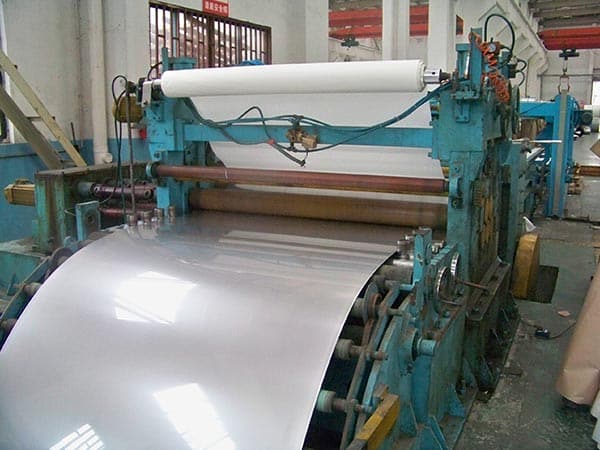
Comprehensive Overview of S355MC High-Strength Steel
S355MC is a high-yield-strength, hot-rolled steel specifically designed for cold forming. Governed by the European standard EN 10149-2, this material is a staple in engineering projects where weight reduction and high load-bearing capacity are critical. Unlike standard structural steels, S355MC undergoes thermomechanical rolling, a process that refines the grain structure through controlled deformation and cooling. This metallurgy ensures a fine-grained microstructure that balances strength with exceptional ductility. For stakeholders in the Iranian market, understanding the technical nuances of S355MC is essential for both procurement and engineering design.
Chemical Composition and Grain Refinement Metallurgy
The performance of S355MC is rooted in its precise chemical makeup. It is categorized as a high-strength low-alloy (HSLA) steel. The carbon content is kept low to enhance weldability and toughness, while micro-alloying elements like Niobium (Nb), Titanium (Ti), and Vanadium (V) are added to achieve the desired yield strength through precipitation hardening and grain size control.
| Element | Maximum Percentage (%) |
|---|---|
| Carbon (C) | 0.12 |
| Manganese (Mn) | 1.50 |
| Silicon (Si) | 0.03 |
| Phosphorus (P) | 0.025 |
| Sulfur (S) | 0.020 |
| Aluminum (Al) | 0.015 (min) |
The extremely low silicon and phosphorus levels contribute to the steel's cleanliness, which is vital for preventing cracking during complex bending operations. The inclusion of Niobium and Titanium is particularly important for the Iranian automotive and heavy machinery sectors, as these elements ensure the steel maintains its properties even after high-stress manufacturing processes.
Mechanical Performance: Yield Strength and Elongation
The '355' in S355MC signifies a minimum yield strength of 355 MPa. This high yield point allows engineers to use thinner plates compared to standard S235 or S275 grades, effectively reducing the overall weight of structures without compromising safety. This is a significant advantage in the transport industry, where lower vehicle weight translates directly to fuel efficiency and increased payload capacity.
- Yield Strength: Minimum 355 MPa for thicknesses up to 16mm.
- Tensile Strength: Ranging between 430 and 550 MPa.
- Elongation: Minimum 19% (for thickness < 3mm) to 23% (for thickness ≥ 3mm), ensuring excellent formability.
- Impact Strength: While S355MC is primarily focused on formability, it retains good notch toughness at low temperatures.
Processing Characteristics: Welding, Bending, and Cutting
One of the primary reasons for the popularity of S355MC in Iran's industrial hubs like Isfahan and Ahvaz is its superior processability. Because of its low carbon equivalent (CEV), the material exhibits excellent weldability using standard methods such as MIG, TIG, and submerged arc welding. Preheating is generally not required for standard thicknesses, which streamlines production timelines and reduces energy costs.
Cold Forming: S355MC is engineered for tight bending radii. It can be cold-formed into complex shapes without the risk of surface cracking or spring-back issues, making it ideal for chassis frames and structural brackets. Laser Cutting: The clean chemical composition and consistent thickness tolerances of S355MC ensure high-quality edges during laser and plasma cutting, reducing the need for secondary finishing operations.
S355MC Price Dynamics in the Iranian Market
The price of S355MC in Iran is influenced by a complex interplay of local production capacity and international trade factors. Major local players like Mobarakeh Steel Company (MSC) and Oxin Steel Khuzestan produce high-quality hot-rolled coils and plates that meet similar specifications, though S355MC specifically often requires specialized thermomechanical processing lines.
Several factors dictate the current market price in Iran:
- Raw Material Costs: Fluctuations in the price of iron ore and scrap metal on the global market directly impact the base cost.
- Energy Prices: As steel production is energy-intensive, changes in natural gas and electricity tariffs in Iran affect the final product price.
- Currency Exchange Rates: Since high-grade S355MC or the specialized alloys used in its production may be imported, the IRR to USD/EUR exchange rate is a critical variable.
- Import Duties: Iranian customs regulations and tariffs on imported steel grades protect local manufacturers but can increase the price for high-end European or Chinese S355MC.
- Inventory Levels: Supply chain stability in Tehran and Isfahan steel markets determines immediate availability and spot pricing.
Currently, buyers should expect S355MC to command a premium over standard s355jr grades due to its enhanced formability and the more complex thermomechanical rolling process required for its manufacture.
Environmental Adaptability and Industrial Applications
S355MC demonstrates remarkable adaptability to various environmental conditions. While it is not a weather-resisting steel like Corten, its dense microstructure provides a reliable base for protective coatings, galvanization, or painting. In the diverse climate of Iran—from the humid northern regions to the dry, hot central plateaus—S355MC serves as a robust structural material when properly treated.
Primary applications include:
- Automotive Industry: Chassis, cross members, and structural reinforcements for trucks and passenger vehicles.
- Construction and Infrastructure: Cold-pressed profiles, crane arms, and heavy-duty shelving systems.
- Agriculture: Frameworks for tractors, harvesters, and irrigation equipment that require high strength-to-weight ratios.
- Energy Sector: Support structures for solar panels and wind turbine components where durability and precision are paramount.
Comparative Analysis: S355MC vs. S355JR
It is common for procurement officers to confuse S355MC with S355JR. While both share a similar yield strength, they are intended for different uses. S355JR (governed by EN 10025-2) is a general structural steel suited for welding and bolting in construction but lacks the specialized grain refinement needed for intensive cold bending. S355MC, with its 'C' designation for cold forming, is the superior choice for manufacturing processes involving folding, pressing, and complex shaping. Choosing S355MC ensures that the material will not fail during the fabrication stage, ultimately saving costs on rejected parts and rework.
For those sourcing S355MC in Iran, it is recommended to request Mill Test Certificates (MTC) to verify the thermomechanical rolling status and the specific micro-alloying content. This verification ensures the material will perform as expected under the rigorous demands of modern industrial manufacturing.
Leave a message