
What is the s355mc steel equivalent astm electric stove
Comprehensive guide to S355MC steel, its ASTM equivalents like A1011 and A656, and its critical role in the structural integrity and thermal performance of electric stoves.
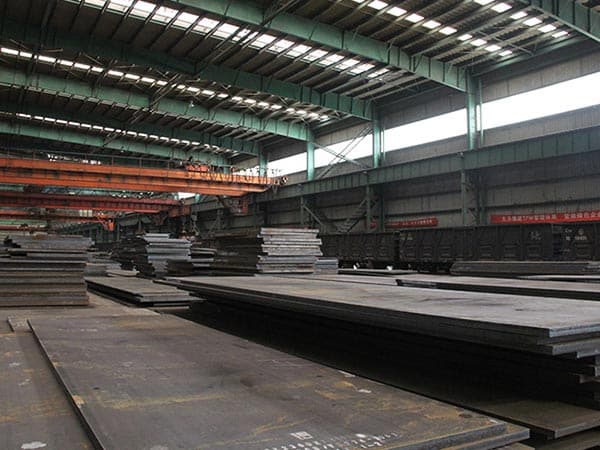
Understanding S355MC and Its Global Equivalents
In the competitive landscape of appliance manufacturing, selecting the right material is not merely a matter of cost but a balance of structural integrity, weight reduction, and processing efficiency. S355MC is a high-yield strength, thermomechanically rolled steel defined under the European standard EN 10149-2. When manufacturers ask about the S355MC steel equivalent ASTM for electric stove production, they are typically looking for a material that matches its cold-forming capabilities and yield strength of at least 355 MPa.
The most direct equivalent in the American standard system is ASTM A1011 Grade 50 (HSLAS Class 1) or ASTM A656 Grade 50. These grades are designed to offer similar mechanical properties, specifically targeting applications where weight savings are essential without compromising the load-bearing capacity of the chassis or internal brackets of high-end electric stoves.
Chemical Composition and Micro-Alloying Excellence
The performance of S355MC stems from its precise chemical metallurgy. Unlike traditional carbon steels, S355MC utilizes micro-alloying elements such as Niobium (Nb), Titanium (Ti), and Vanadium (V). These elements facilitate grain refinement during the thermomechanical rolling process, resulting in a fine-grained structure that enhances both strength and toughness.
| Element | S355MC (Max %) | ASTM A1011 Gr.50 (Max %) |
|---|---|---|
| Carbon (C) | 0.12 | 0.23 |
| Manganese (Mn) | 1.50 | 1.35 |
| Silicon (Si) | 0.50 | - |
| Phosphorus (P) | 0.025 | 0.035 |
| Sulfur (S) | 0.020 | 0.035 |
The lower carbon content in S355MC compared to standard ASTM A1011 grades often translates to superior weldability and higher ductility, which are critical when forming complex internal geometries of an electric stove. The controlled levels of sulfur and phosphorus ensure that the material remains clean, reducing the risk of lamellar tearing during heavy fabrication.
Mechanical Properties: Why 355 MPa Matters
For electric stove frames, the material must withstand the weight of heavy glass-ceramic cooktops and internal heating elements while maintaining dimensional stability. S355MC provides a minimum yield strength of 355 MPa, which is significantly higher than standard commercial quality (CQ) steels. This allows designers to use thinner gauges of steel, effectively reducing the overall weight of the appliance for shipping while maintaining a robust structure.
- Yield Strength: Min 355 MPa (approx. 51.5 ksi).
- Tensile Strength: 430-550 MPa.
- Elongation: Min 19% to 23% depending on thickness.
Comparing this to ASTM A1011 Grade 50, which has a minimum yield of 50 ksi (345 MPa), the S355MC offers a slight edge in strength. This margin is often the difference between a frame that warps under thermal stress and one that retains its precision over a decade of use.
Cold Forming and Fabrication in Stove Production
Electric stove components, such as the base pan, side panels, and support brackets, require intricate bending and stamping. S355MC is specifically engineered for cold forming. Its fine-grain structure allows for tight bend radii without cracking on the outer tension surface. This is a vital attribute for high-speed automated production lines where consistency is paramount.
When substituting with an ASTM equivalent, it is crucial to specify HSLAS (High-Strength Low-Alloy Steel) rather than simple structural steel. HSLAS grades like A1011 Gr 50 are designed with improved formability, mimicking the behavior of S355MC during deep drawing or sharp bending operations. Using a non-equivalent structural grade could lead to "springback" issues, where the part does not hold its intended shape after being released from the press brake.
Thermal Stability and Heat Resistance
An electric stove is a high-temperature environment. While S355MC is not a specialized "heat-resistant" steel (like stainless 310 or 321), its structural stability at moderately elevated temperatures is superior to mild steel. The micro-alloyed grains are less prone to rapid coarsening when exposed to the ambient heat generated by induction coils or radiant elements.
The material's resistance to thermal fatigue is a key reason for its use in internal support structures. As the stove heats and cools, the metal expands and contracts. S355MC's high yield point ensures that these thermal cycles remain within the elastic deformation range, preventing the permanent sagging or misalignment of internal components that can lead to glass cooktop breakage or electrical short circuits.
Surface Quality and Coating Compatibility
The exterior of an electric stove demands a flawless finish, whether it is powder-coated, painted, or enameled. S355MC, produced through thermomechanical rolling, typically has a very thin, tightly adherent scale or is supplied in a pickled and oiled (P&O) condition. This provides an excellent substrate for modern coating technologies.
The low silicon content in specific S355MC variants is particularly beneficial for hot-dip galvanizing or specific enameling processes, as it prevents the excessive growth of brittle iron-zinc alloy layers. When sourcing an ASTM equivalent for an aesthetic exterior part, ensuring the surface roughness (Ra value) matches the S355MC specification is essential for maintaining brand consistency across different manufacturing regions.
Environmental Adaptation and Sustainability
Modern manufacturing increasingly focuses on the lifecycle carbon footprint. S355MC supports sustainability through "downgauging." By utilizing a stronger steel, manufacturers can reduce the total mass of steel required per unit. This leads to lower energy consumption during raw material transport and lower carbon emissions during the smelting process.
Furthermore, S355MC is fully recyclable. Its low alloy content means it can be easily integrated back into the steel scrap stream without requiring complex separation processes, aligning with global circular economy initiatives in the home appliance industry.
Practical Implementation: Selecting the Right Grade
When transitioning a design from EN standards to ASTM standards for the North American market, engineers must look beyond the yield strength. It is necessary to evaluate the minimum bend radius and the impact toughness if the stove is intended for environments with extreme temperature fluctuations during transport.
| Feature | S355MC (EN 10149-2) | ASTM A1011 Gr. 50 | ASTM A656 Gr. 50 |
|---|---|---|---|
| Primary Use | Cold forming / Structural | General Commercial | Improved Formability | Yield (min) | 355 MPa | 345 MPa | 345 MPa | Weldability | Excellent | Good | Excellent | Typical Thickness | 1.5mm - 20mm | 1.2mm - 6mm | 3mm - 50mm |
For thin-gauge stove panels (under 3mm), ASTM A1011 Grade 50 Class 2 is often the preferred choice due to its balance of cost and performance. For thicker structural base frames, ASTM A656 Grade 50 offers better atmospheric corrosion resistance and superior weldability, making it a premium alternative to S355MC.
Ensuring that the material certification (MTR) explicitly states the thermomechanical treatment or the specific micro-alloying elements used will guarantee that the ASTM equivalent performs identically to the S355MC in a high-stress, high-heat electric stove application. This technical diligence prevents production downtime and ensures the long-term reliability of the appliance in the consumer's kitchen.
Leave a message