
What is the rate of S460MC Steel for automotive inner panels per ton in Singapore
Discover the latest market rates and technical advantages of S460MC steel for automotive inner panels in Singapore. This guide covers mechanical properties, processing benefits, and pricing factors.
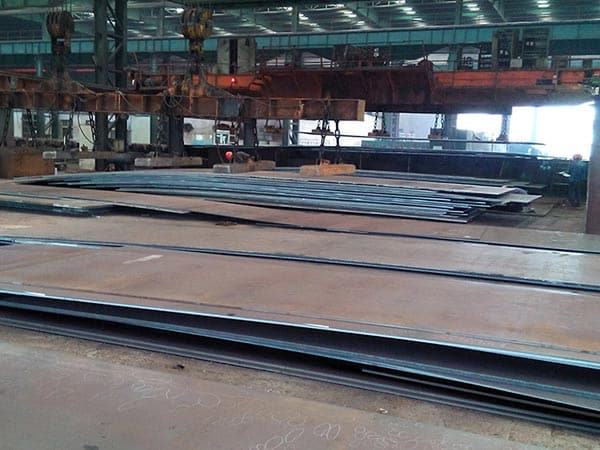
Current Market Dynamics of S460MC Steel in Singapore
Understanding the rate of S460MC steel for automotive inner panels in Singapore requires a deep dive into both the technical specifications of the material and the logistical landscape of the region. As a major maritime hub, Singapore serves as a critical node for the distribution of high-strength low-alloy (HSLA) steels across Southeast Asia. The pricing for S460MC, a thermomechanically rolled steel defined by the EN 10149-2 standard, fluctuates based on global iron ore costs, energy prices in manufacturing hubs like Europe or East Asia, and local demand within the automotive spare parts and assembly sectors.
Currently, the per-ton rate for S460MC in Singapore typically ranges between USD 850 to USD 1,150, depending on the thickness, width, and surface finish required. For automotive inner panels, where precision and surface quality are paramount, the higher end of the spectrum is more common. These rates are also influenced by the volume of the order and the specific certifications required, such as IATF 16949 for automotive quality management systems.
Technical Profile of S460MC: Why It Dominates Inner Panel Production
S460MC is engineered for applications where high yield strength and excellent cold-forming properties are non-negotiable. For automotive inner panels—components that must provide structural integrity while remaining lightweight—this steel grade offers an optimal balance. The "S" denotes structural steel, "460" represents a minimum yield strength of 460 MPa, and "MC" indicates it is thermomechanically rolled (M) and intended for cold forming (C).
The chemical composition of S460MC is meticulously controlled to ensure weldability and toughness. By utilizing micro-alloying elements such as niobium (Nb), vanadium (V), and titanium (Ti), manufacturers achieve a fine-grained microstructure that enhances mechanical performance without the need for heavy alloying, which would otherwise increase costs and weight.
| Chemical Element | Maximum Percentage (%) |
|---|---|
| Carbon (C) | 0.12 |
| Manganese (Mn) | 1.60 |
| Silicon (Si) | 0.50 |
| Phosphorus (P) | 0.025 |
| Sulfur (S) | 0.015 |
| Aluminium (Al) | 0.015 (Min) |
Mechanical Superiority and Processing Efficiency
The primary reason automotive manufacturers in Singapore and the broader ASEAN region opt for S460MC is its superior weight-to-strength ratio. By using a 460 MPa yield strength steel instead of traditional 235 MPa grades, engineers can reduce the thickness of inner panels by up to 30% while maintaining the same structural rigidity. This directly contributes to vehicle fuel efficiency and reduced carbon emissions.
- Yield Strength: Minimum 460 MPa, ensuring the panel resists permanent deformation under stress.
- Tensile Strength: Ranging from 520 to 670 MPa, providing a high safety margin during impact.
- Elongation: Typically around 14% to 17% (depending on thickness), allowing for complex stamping and deep drawing of inner door frames and floor panels.
- Bending Radius: Excellent bendability, which is crucial for the intricate geometries found in modern vehicle interiors.
Environmental Adaptability and Longevity in Tropical Climates
Singapore’s tropical environment, characterized by high humidity and salinity, poses significant challenges for automotive materials. S460MC steel, when combined with modern coating technologies such as galvanization or cathodic dip painting (KTL), exhibits exceptional corrosion resistance. The fine-grained structure of the steel provides a stable substrate for these coatings, ensuring that inner panels remain free from structural rust for the lifespan of the vehicle.
Furthermore, the thermomechanical rolling process used to create S460MC is more energy-efficient than traditional heat treatment methods. This aligns with the growing push for "Green Steel" in the Singaporean industrial sector, where companies are increasingly looking to reduce their Scope 3 emissions. Purchasing S460MC from mills that utilize Electric Arc Furnaces (EAF) can further lower the carbon footprint of the final automotive product.
Impact of Singapore's Logistics and Trade Policies on Steel Rates
The per-ton rate in Singapore is not just a reflection of the material's cost but also the efficiency of the local supply chain. Factors such as warehousing at the Jurong Port, inland transportation to Tuas industrial estates, and the Goods and Services Tax (GST) play a role. Singapore's Free Trade Agreements (FTAs) with major steel producers like Japan, South Korea, and China often allow for competitive pricing by minimizing import duties.
However, the "just-in-time" (JIT) manufacturing model prevalent in the automotive industry means that local stockists must maintain significant inventories of S460MC. This inventory carrying cost, coupled with the high land value in Singapore, can lead to a slight premium on local spot prices compared to direct mill orders from overseas. For small to medium-sized enterprises (SMEs) in Singapore providing Tier 2 or Tier 3 automotive components, sourcing from local distributors offers the advantage of shorter lead times and smaller minimum order quantities.
Comparative Analysis: S460MC vs. S355MC
When evaluating the rate per ton, it is helpful to compare S460MC with its lower-strength counterpart, S355MC. While S355MC is generally cheaper per ton, the total project cost might be higher because more material is required to achieve the same structural performance. The following table illustrates the key differences that justify the investment in S460MC.
| Property | S355MC | S460MC |
|---|---|---|
| Yield Strength (Min) | 355 MPa | 460 MPa |
| Weight Reduction Potential | Baseline | ~15-20% higher than S355MC |
| Formability | Very High | High (requires more force) |
| Typical Application | Chassis parts | Inner panels, pillars, cross members |
Optimizing Procurement Strategies in Singapore
To secure the best rate for S460MC steel, procurement officers should monitor the London Metal Exchange (LME) and regional steel indices. In Singapore, many suppliers offer value-added services such as precision slitting, decoiling, and laser cutting. Integrating these services into the steel purchase can often result in a lower "total cost of ownership" than buying raw coils and processing them elsewhere.
Moreover, specifying the exact tolerances required for automotive inner panels—such as thickness tolerance according to EN 10051—can prevent costly manufacturing defects during the stamping process. High-precision S460MC ensures that the springback effect is predictable, which is vital for maintaining the dimensional accuracy of complex automotive assemblies.
The demand for S460MC in Singapore is expected to remain robust as the regional automotive industry shifts towards electric vehicles (EVs). EVs require even higher-strength materials to offset the weight of heavy battery packs, making S460MC an indispensable material for the next generation of automotive engineering. By focusing on quality, certification, and logistical efficiency, buyers in Singapore can navigate the fluctuating rates of S460MC to maintain a competitive edge in the global market.
Leave a message