
Where can purchase S700MC cold rolled coil with heavy thickness
Discover the technical nuances of S700MC cold rolled coils with heavy thickness. This guide explores mechanical properties, chemical composition, and sourcing strategies for high-strength steel.
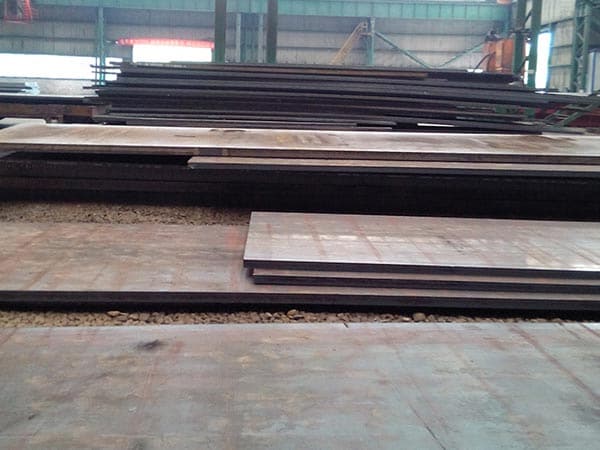
Understanding S700MC: The Pinnacle of High-Strength Steel Engineering
Identifying a reliable source for S700MC cold rolled coil with heavy thickness requires a deep understanding of the material's unique characteristics and the manufacturing constraints associated with high-strength low-alloy (HSLA) steels. S700MC, governed by the EN 10149-2 standard, is a thermomechanically rolled steel designed for cold forming. While the "MC" designation typically refers to hot-rolled pickled and oiled products, specific precision applications demand cold-rolled variants (often designated as HC700MC or similar) to achieve tighter thickness tolerances and superior surface finishes, even at heavier gauges.
The demand for S700MC has surged as industries push for "lightweighting"—the process of reducing structural weight without compromising safety or load-bearing capacity. S700MC offers a minimum yield strength of 700 MPa, which is more than double that of conventional S355 structural steel. This allows engineers to use thinner sections to achieve the same structural integrity, leading to reduced fuel consumption in vehicles and higher payloads for heavy machinery.
Chemical Composition and the Role of Micro-Alloying
The exceptional performance of S700MC is not accidental; it is the result of precise chemical engineering. Unlike traditional steels that rely on high carbon content for strength, S700MC utilizes a low-carbon philosophy combined with micro-alloying elements such as Niobium (Nb), Vanadium (V), and Titanium (Ti).
| Element | Maximum Content (%) | Functional Benefit |
|---|---|---|
| Carbon (C) | 0.12 | Ensures excellent weldability and prevents brittleness. |
| Manganese (Mn) | 2.10 | Increases strength and improves hardenability. |
| Silicon (Si) | 0.60 | Acts as a deoxidizer and contributes to solution hardening. |
| Aluminum (Al) | 0.015 (min) | Refines grain structure and removes oxygen. |
| Nb + V + Ti | 0.22 (total) | Provides precipitation hardening and grain refinement. |
The low carbon equivalent (CEV) of S700MC is a critical factor for purchasing departments. A lower CEV means the steel can be welded using standard methods without the intensive pre-heating requirements often associated with high-strength materials. This significantly reduces fabrication costs and time-to-market for complex assemblies.
Mechanical Properties and Structural Integrity
When sourcing heavy thickness S700MC, the mechanical properties must be verified through a Mill Test Certificate (MTC) according to EN 10204 3.1. The "700" in its name represents the minimum yield strength in Megapascals (MPa). However, the tensile strength and elongation are equally vital for heavy-duty applications.
- Yield Strength (ReH): Minimum 700 MPa.
- Tensile Strength (Rm): 750 to 950 MPa.
- Elongation (A80/A5): Minimum 10% to 12% depending on thickness.
- Impact Toughness: Often tested at -20°C or -40°C to ensure performance in arctic or high-altitude environments.
For heavy thickness coils, maintaining uniformity of these properties across the entire length and width of the coil is a challenge that only top-tier mills can meet. When purchasing, it is essential to specify whether the material needs to meet longitudinal or transverse testing requirements, as the rolling direction significantly impacts the grain orientation and subsequent bending behavior.
Processing Advantages: Bending, Cutting, and Welding
One of the primary reasons engineers specify S700MC is its exceptional cold-forming capability. Despite its high strength, it can be bent to tight radii. For a plate thickness (t), the recommended minimum bending radius for S700MC is typically 1.5t to 2.0t, depending on the bending angle and the orientation relative to the rolling direction.
Laser and Plasma Cutting: S700MC is highly compatible with modern thermal cutting techniques. Due to its low impurity content and refined grain structure, it produces clean edges with minimal heat-affected zones (HAZ). This is particularly important for heavy thickness coils where edge quality can affect subsequent welding processes.
Welding Compatibility: S700MC can be welded using GMAW (Gas Metal Arc Welding), SAW (Submerged Arc Welding), and laser welding. Because of its micro-alloyed nature, it is sensitive to excessive heat input. Fabricators should use low heat input techniques to avoid softening the material in the HAZ, which could lead to a localized reduction in yield strength.
Identifying Reliable Suppliers for Heavy Thickness S700MC
Finding a supplier that stocks S700MC in heavy thickness (typically defined as 3mm to 12mm or more in coil form) requires looking beyond standard local distributors. You should target specialized steel service centers and global trading houses that maintain relationships with Tier-1 mills.
Key indicators of a high-quality supplier include:
- Inventory Depth: Do they carry multiple widths and thicknesses to minimize scrap during your production?
- Processing Capabilities: Can they decoil, level, and cut-to-length the heavy gauge material accurately? High-strength steel has significant "spring-back," requiring specialized leveling equipment.
- Traceability: Every coil must be linked to its original heat number and MTC.
- Logistics Expertise: Heavy coils require specialized handling and shipping to prevent edge damage and moisture-induced oxidation.
Major global producers known for high-quality S700MC include SSAB (under the Strenx brand), ThyssenKrupp (Perform), and leading Asian mills like Baosteel and POSCO. Purchasing from authorized agents of these mills ensures that the material meets the stringent EN 10149-2 requirements.
Strategic Applications for Heavy S700MC Coils
The application of heavy thickness S700MC is most prevalent in sectors where the strength-to-weight ratio is the primary design driver. In the transportation industry, it is used for truck chassis, trailers, and side-impact beams. By switching from S355 to S700MC, manufacturers can often reduce the weight of a trailer frame by 25-30%.
In the lifting and crane industry, S700MC is the standard for telescopic booms and support structures. The ability to withstand high stress while remaining lightweight allows for longer reach and higher lifting capacities. Similarly, in agricultural machinery, the material provides the durability needed for soil-engaging tools and large-scale harvesting equipment without adding unnecessary bulk that would compact the soil.
The energy sector also utilizes S700MC for wind turbine components and offshore structures where environmental adaptability and fatigue resistance are paramount. The material's ability to maintain its mechanical properties at sub-zero temperatures makes it ideal for global infrastructure projects.
Environmental Adaptability and Sustainability
Beyond its mechanical prowess, S700MC contributes to environmental sustainability. The reduction in raw material usage (due to thinner sections) directly translates to lower CO2 emissions during the steelmaking process. Furthermore, the lighter end-products (like trucks) consume less fuel over their operational lifespan, creating a secondary environmental benefit.
The corrosion resistance of S700MC, while not as high as stainless steel, is superior to many carbon steels due to its dense microstructure. When combined with modern coating technologies like galvanizing or specialized painting, S700MC components can achieve a service life of several decades even in corrosive industrial or coastal environments.
Purchasing Checklist for S700MC Heavy Coils
To ensure a successful procurement process, buyers should follow a rigorous checklist:
- Specify the Standard: Clearly state EN 10149-2 S700MC on all RFQs.
- Verify Thickness Tolerances: For cold-rolled or precision-leveled products, specify if you require "Special Tolerances" according to EN 10131.
- Surface Quality: Request Pickled and Oiled (P&O) finish if the material is to be laser cut or painted immediately.
- Testing Requirements: Confirm if additional impact testing or ultrasonic testing (UT) is required for your specific application.
- Packaging: Ensure coils are wrapped in VCI (Volatile Corrosion Inhibitor) paper and secured with steel strapping for long-distance transport.
By focusing on these technical details and choosing suppliers with proven track records in high-strength steel, you can secure high-quality S700MC cold rolled coils that meet the most demanding engineering specifications.
Leave a message