
What are rust removal and prevention measures for BS700MC heat treatment
Comprehensive guide on rust removal and prevention for BS700MC high-strength steel during heat treatment. Explore mechanical, chemical, and atmospheric control strategies.
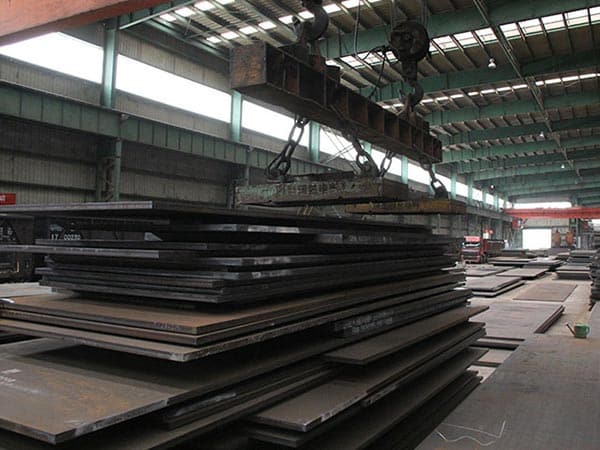
Understanding BS700MC and Its Vulnerability During Thermal Processing
BS700MC is a high-yield-strength, cold-forming steel produced through thermomechanical rolling. As a micro-alloyed steel, it gains its exceptional mechanical properties—specifically a minimum yield strength of 700 MPa—from a fine-grained microstructure achieved through controlled cooling and alloying elements like niobium, vanadium, and titanium. However, when BS700MC undergoes secondary heat treatment processes such as stress relieving or annealing, the surface interacts with the ambient atmosphere. This interaction, particularly at temperatures exceeding 400°C, leads to the formation of iron oxides, commonly known as scale or rust. Managing this oxidation is critical to maintaining the material's structural integrity and aesthetic quality.
The Mechanism of Oxidation During BS700MC Heat Treatment
During heat treatment, the surface of BS700MC reacts with oxygen to form a multilayered scale. This scale typically consists of wüstite (FeO), magnetite (Fe3O4), and hematite (Fe2O3). Because BS700MC has a low carbon content, the oxide layer tends to be more adherent than that of high-carbon steels. If the heat treatment environment is not strictly controlled, moisture and oxygen will penetrate the grain boundaries, leading to intergranular oxidation. This not only complicates rust removal but can also initiate micro-cracks during subsequent forming operations. Understanding these chemical transitions is the first step in implementing effective prevention and cleaning protocols.
Effective Rust Removal Measures for BS700MC
Once oxidation has occurred post-heat treatment, removing the scale without damaging the underlying high-strength substrate is paramount. Several industrial methods are utilized depending on the required surface finish and the volume of parts.
1. Mechanical Descaling (Shot Blasting)
Shot blasting is the most common mechanical method for cleaning BS700MC surfaces. It involves propelling abrasive media (steel shot or grit) at high velocities. For BS700MC, it is vital to control the impingement energy. Excessive force can cause work hardening of the surface layer, which may negatively impact the steel's ductility and its famous cold-forming capabilities.
- Steel Grit: Provides a rougher surface profile, ideal for subsequent painting or coating.
- Steel Shot: Better for removing heavy scale while peening the surface to improve fatigue resistance.
2. Chemical Pickling
Chemical pickling involves immersing the BS700MC components in an acid bath, typically hydrochloric (HCl) or sulfuric acid (H2SO4). For high-strength steels like BS700MC, hydrogen embrittlement is a significant risk during pickling. Acid inhibitors must be added to the bath to prevent the acid from attacking the base metal once the scale is dissolved. Post-pickling, a thorough neutralization and rinsing process are mandatory to prevent flash rusting.
3. Laser Cleaning Technology
As a modern, non-contact method, laser cleaning uses high-frequency laser pulses to sublimate the rust layer. This is particularly effective for BS700MC because it generates minimal heat, ensuring that the thermomechanically rolled microstructure is not altered. It is an eco-friendly alternative to chemical pickling, requiring no hazardous disposal of acid sludge.
Advanced Prevention Measures During Heat Treatment
Preventing rust is often more cost-effective than removing it. By controlling the environment in which BS700MC is heated, manufacturers can significantly reduce or eliminate oxidation.
Controlled Atmosphere Furnaces
Using an inert or reducing atmosphere is the gold standard for preventing rust during heat treatment. By replacing oxygen with nitrogen, argon, or a hydrogen-nitrogen mix (cracked ammonia), the oxidation reaction is physically blocked. Vacuum heat treatment is another premium option, where the absence of any atmosphere prevents any chemical reaction on the BS700MC surface, resulting in a "bright" finish straight out of the furnace.
Protective Surface Coatings
Before entering the furnace, BS700MC can be coated with specialized anti-oxidation paints or glass-based lubricants. These coatings act as a physical barrier against oxygen. Some modern coatings are designed to flake off naturally during cooling, leaving a clean surface behind, while others may require light alkaline washing.
Comparative Analysis of Rust Management Techniques
| Method | Effectiveness | Impact on BS700MC Properties | Cost Factor |
|---|---|---|---|
| Shot Blasting | High (Scale Removal) | Risk of surface work hardening | Moderate |
| Chemical Pickling | Very High | Risk of Hydrogen Embrittlement | Low to Moderate |
| Laser Cleaning | High (Precision) | No thermal or mechanical damage | High Initial Investment |
| Inert Atmosphere | Preventative | Preserves original microstructure | High Operational Cost |
Post-Heat Treatment Corrosion Protection
After the heat treatment and cleaning cycles, BS700MC remains highly reactive. Immediate secondary protection is required to prevent atmospheric corrosion during storage and transport.
- VCI (Volatile Corrosion Inhibitor) Packaging: This is highly effective for shipping BS700MC components. The VCI molecules form a molecular layer on the steel that prevents moisture and oxygen from reaching the surface.
- Oil-Based Rust Preventatives: Applying a thin film of electrostatic oil provides a temporary barrier. This is often preferred for parts that will undergo further machining or welding.
- Zinc-Rich Primers: If the BS700MC is destined for heavy machinery chassis or structural components, applying a zinc-rich primer immediately after descaling provides cathodic protection.
Impact of Alloying Elements on Rust Resistance
The chemical composition of BS700MC plays a subtle role in its corrosion behavior. The presence of Titanium (Ti) and Niobium (Nb) helps in stabilizing the grain structure, but these elements do not significantly improve atmospheric corrosion resistance like chromium would in stainless steel. Therefore, relying on the alloy's chemistry for rust prevention is insufficient; active measures must be taken during the thermal cycle. The table below highlights the typical chemical components that influence surface reactivity.
| Element | Typical Content (%) | Role in Heat Treatment |
|---|---|---|
| Carbon (C) | ≤ 0.12 | Lowers scale adhesion compared to high carbon |
| Manganese (Mn) | ≤ 2.10 | Can form Mn-silicates in scale layers |
| Silicon (Si) | ≤ 0.50 | Influences the thickness of the wüstite layer |
| Niobium (Nb) | ≤ 0.09 | Refines grain size, maintaining strength during heating |
Operational Best Practices for Industry Professionals
To ensure the longevity and performance of BS700MC parts, a holistic approach to rust management is required. This involves integrating the heating parameters with the cleaning workflow. For instance, reducing the soaking time at high temperatures can significantly decrease the depth of the oxide scale. Furthermore, ensuring that the steel surface is free from oils, fingerprints, or salts before heat treatment prevents localized "pitting" or uneven oxidation patterns. Proper handling with gloves and climate-controlled storage areas are simple yet effective ways to maintain the integrity of BS700MC throughout the manufacturing lifecycle.
Leave a message