
What is the s420mc en 10149-2 galvanealed coil element chemical composition
Comprehensive analysis of S420MC EN 10149-2 galvannealed coil chemical composition, mechanical properties, and industrial applications for high-performance engineering.
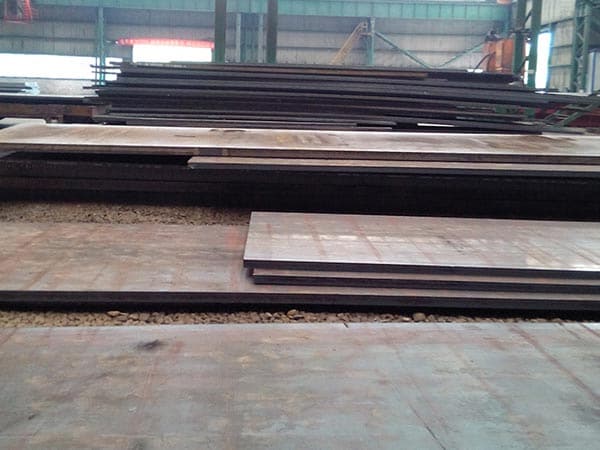
Decoding the Chemical DNA of S420MC EN 10149-2 Galvannealed Coils
When engineering high-performance structural components, understanding the elemental makeup of the material is not just a technicality—it is a necessity. S420MC, governed by the EN 10149-2 standard, represents a class of thermomechanically rolled steels designed specifically for cold forming. When this material is processed into a galvannealed (ZF) coil, it gains a unique surface profile that combines the strength of high-yield steel with the superior paintability and weldability of a zinc-iron alloy coating.
The chemical composition of S420MC is engineered to achieve a delicate balance between high yield strength and excellent ductility. Unlike traditional structural steels, S420MC utilizes micro-alloying technology. By adding precise amounts of elements like Niobium (Nb), Vanadium (V), and Titanium (Ti), manufacturers can refine the grain structure, which is the primary mechanism for increasing strength without sacrificing toughness or weldability.
Detailed Chemical Composition Analysis
The EN 10149-2 standard sets strict limits on the chemical elements to ensure consistency across different batches. Below is the typical chemical composition (ladle analysis) for S420MC:
| Element | Maximum Content (%) | Role in the Alloy |
|---|---|---|
| Carbon (C) | 0.12 | Ensures weldability while maintaining strength. |
| Manganese (Mn) | 1.60 | Increases hardness and tensile strength. |
| Silicon (Si) | 0.50 | Acts as a deoxidizer and strengthens the ferrite. |
| Phosphorus (P) | 0.025 | Kept low to prevent cold shortness and brittleness. |
| Sulphur (S) | 0.015 | Minimized to improve lamellar tearing resistance. | Aluminum (Al) | 0.015 (min) | Used for grain refinement and deoxidation. |
| Niobium (Nb) | 0.09 | Micro-alloying element for grain refinement. |
| Vanadium (V) | 0.20 | Enhances precipitation hardening. |
| Titanium (Ti) | 0.15 | Fixes nitrogen and prevents grain growth during welding. |
The sum of Nb, V, and Ti is usually restricted to a maximum of 0.22% to ensure the material remains highly formable. The low carbon content is particularly critical for the galvannealing process, as it prevents the formation of brittle phases during the heat treatment that follows the zinc dipping.
The Galvannealing Process and Surface Chemistry
A galvannealed coil (often designated as ZF or GA) undergoes a specific thermal treatment after being hot-dipped in a zinc bath. The coil is heated to approximately 500-550°C, causing iron from the S420MC substrate to diffuse into the zinc coating. This creates a zinc-iron alloy layer (typically containing 8-12% iron).
- Surface Texture: The resulting surface is matte grey and has a microscopic roughness that provides an exceptional key for paint adhesion.
- Weldability: Because the coating is an alloy rather than pure zinc, it has a higher melting point and higher electrical resistance, making it much easier to spot weld compared to standard galvanized steel.
- Corrosion Resistance: While pure zinc provides better sacrificial protection in very wet environments, the Zn-Fe alloy of galvannealed S420MC offers superior resistance to under-paint corrosion and "creeping" rust.
Mechanical Performance and Structural Integrity
The "420" in S420MC refers to its minimum yield strength of 420 MPa. This high strength-to-weight ratio allows engineers to reduce the thickness of components without compromising safety. The thermomechanical rolling process (indicated by the "M") ensures that these properties are uniform throughout the coil.
| Property | Value Range | Significance |
|---|---|---|
| Yield Strength (ReH) | Min 420 MPa | The point where permanent deformation begins. |
| Tensile Strength (Rm) | 480 - 620 MPa | The maximum stress the material can withstand. |
| Elongation (A80mm) | Min 16-19% (depending on thickness) | Indicates the material's ability to stretch before breaking. |
| Bending Radius (180°) | 0.5t to 1.5t | Demonstrates excellent cold forming capabilities. |
These mechanical attributes make S420MC an ideal candidate for complex geometries. The material can be bent, flanged, and cold-pressed into intricate shapes that would cause lower-grade steels to crack or fail.
Advanced Processing: Welding and Laser Cutting
The chemical purity of S420MC EN 10149-2 makes it highly compatible with modern manufacturing techniques. Its low Carbon Equivalent Value (CEV) ensures that the Heat Affected Zone (HAZ) during welding does not become excessively brittle. This is vital for safety-critical components in the transport industry.
For laser cutting, the consistent chemical composition and the stable galvannealed surface allow for high-speed processing with minimal dross. The zinc-iron alloy layer does not interfere with the laser beam as much as a pure zinc coating might, leading to cleaner edges and less maintenance for the cutting nozzles.
Environmental Adaptability and Longevity
The combination of S420MC's structural strength and the galvannealed coating's chemical stability provides excellent environmental adaptability. In automotive applications, these coils are frequently used for underbody parts exposed to road salt and moisture. The Zn-Fe coating acts as a barrier, while the micro-alloyed steel base provides the fatigue resistance necessary to endure constant vibrations and mechanical stresses.
Furthermore, the absence of heavy metals like lead or hexavalent chromium in modern galvannealing processes makes this material compliant with global environmental regulations such as REACH and RoHS, ensuring its sustainability in the long-term supply chain.
Expanding Industry Applications
The versatility of S420MC EN 10149-2 galvannealed coils extends far beyond simple brackets. Its unique properties are utilized in several high-demand sectors:
- Automotive Engineering: Chassis parts, cross members, and reinforcement beams where weight reduction is a priority.
- Heavy Machinery: Crane arms and telescopic booms where high yield strength allows for greater lifting capacities.
- Renewable Energy: Mounting systems for solar panels that require both structural rigidity and long-term corrosion resistance in outdoor environments.
- Commercial Vehicles: Truck frames and trailer components that must withstand heavy loads while resisting the corrosive effects of diverse climates.
By selecting S420MC, manufacturers can achieve a significant reduction in vehicle or structure weight, which directly translates to improved fuel efficiency and lower carbon emissions during the product's lifecycle.
Technical Comparison: S420MC vs. Standard Structural Steels
Compared to standard s355jr or similar grades, S420MC offers a higher yield point which allows for a thickness reduction of approximately 15-20% in many designs. While the initial cost per ton might be higher, the total cost of the finished product is often lower due to material savings and reduced processing steps. The galvannealed finish further adds value by eliminating the need for post-fabrication pickling or complex priming sequences, as the surface is ready for high-quality powder coating or E-coating immediately after forming.
The precision in the chemical composition of S420MC EN 10149-2 ensures that every coil performs predictably under the press and in the welding cell. This reliability is the cornerstone of modern automated manufacturing, where material variance can lead to costly downtime and scrap.
Leave a message