
What is the strenx steel corrosion resistance durability
A comprehensive technical analysis of Strenx steel's corrosion resistance and long-term durability, exploring chemical composition, surface treatments, and industrial applications.
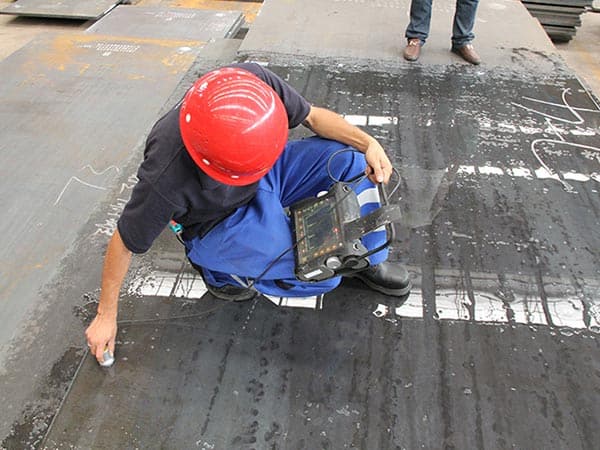
Understanding the Environmental Integrity of Strenx Performance Steel
Strenx steel, developed by SSAB, is synonymous with ultra-high-strength structural performance. However, engineering durability is a multi-dimensional concept that extends beyond yield strength and tensile capacity. When evaluating Strenx steel corrosion resistance durability, it is essential to distinguish between the material's inherent chemical stability and its performance within a complete protective system. Unlike weathering steels like Hardox or specialized stainless grades, Strenx is optimized for weight reduction and load-bearing efficiency. Its durability in corrosive environments is a product of its superior surface quality, chemical purity, and compatibility with modern coating technologies.
Chemical Composition and Its Influence on Oxidation
The durability of any steel grade begins at the molecular level. Strenx steel is produced using a highly refined thermomechanical rolling process that ensures a fine-grained microstructure. This process allows for a low carbon equivalent (CEV), which not only enhances weldability but also minimizes the presence of non-metallic inclusions. In standard carbon steels, impurities such as sulfur and phosphorus often act as initiation sites for localized pitting corrosion. Strenx's stringent purity standards reduce these micro-electrochemical cells, leading to a more uniform oxidation pattern when exposed to the atmosphere.
While Strenx contains small amounts of alloying elements like Manganese, Silicon, and sometimes Chromium or Molybdenum depending on the specific grade (e.g., Strenx 700 vs. Strenx 1100), these are primarily intended for grain refinement and hardenability. They do not provide the "self-healing" patina found in Corten steels. Therefore, the bare durability of Strenx in humid or saline environments is comparable to other high-quality structural steels, necessitating a proactive approach to surface protection to maintain structural integrity over decades.
Mechanical Synergy: Strength-to-Weight Ratio and Corrosion Allowance
One of the most critical aspects of Strenx steel durability is how its mechanical properties influence design philosophy. Because Strenx allows engineers to use thinner plates to achieve the same or higher load capacities, the "corrosion allowance"—the extra thickness added to account for metal loss over time—becomes more significant. In traditional S355 structural steel, a 2mm loss of material due to rust might represent only 10% of the total thickness. In a high-optimized Strenx design, that same 2mm could represent 30% or more of the structural cross-section.
Consequently, the durability of Strenx-based structures relies on preventing the onset of corrosion rather than merely slowing it down. The high yield strength of Strenx (ranging from 600 MPa to 1300 MPa) ensures that even with thinner sections, the structure remains resilient against mechanical fatigue, provided the surface is shielded from environmental degradation. This shift in design focus from "mass-based durability" to "protection-based durability" is a hallmark of modern high-performance engineering.
Surface Preparation and Coating Adhesion
The longevity of Strenx steel in aggressive environments is significantly enhanced by its surface finish. During the manufacturing process, SSAB maintains strict control over scale formation. For end-users, this means that the steel is exceptionally receptive to grit blasting and priming. Achieving a cleanliness level of Sa 2.5 or Sa 3 is more consistent on Strenx than on lower-grade steels with heavier mill scale.
Key factors affecting coating durability on Strenx:
- Surface Profile: The fine-grained structure allows for a more uniform anchor pattern during blasting, which improves the mechanical bond of epoxy or polyurethane primers.
- Low Impurity Levels: Reduced surface contaminants prevent osmotic blistering of paint films, a common failure mode in maritime and industrial coatings.
- Edge Retention: High-strength steel can be precision-cut (laser or waterjet), resulting in cleaner edges that hold coatings better than rough, thermally distorted edges found in thicker, lower-grade plates.
Performance in Diverse Environmental Classifications
The durability of Strenx varies significantly based on the ISO 12944 environmental corrosivity categories. In C1 and C2 environments (heated buildings or rural areas with low pollution), Strenx components can last indefinitely with basic alkyd systems. However, in C4 (industrial and high-salinity coastal) or C5 (offshore and extreme humidity) environments, the strategy must be more robust.
| Environment Category | Typical Setting | Strenx Durability Strategy | Recommended Coating System |
|---|---|---|---|
| C3 (Medium) | Urban/Industrial atmospheres | High focus on weld seam protection | Zinc-rich epoxy primer + PU topcoat |
| C4 (High) | Chemical plants, coastal areas | Strict edge rounding and thick film systems | Multi-coat epoxy system (250μm+) |
| C5 (Very High) | Offshore structures, mines | Duplex systems (Galvanizing + Paint) | Glass flake epoxy or Thermal Spray Zinc |
The Impact of Fabrication Processes on Durability
Welding and cold forming are integral to using Strenx, yet they can influence corrosion resistance if not handled correctly. The Heat Affected Zone (HAZ) in Strenx is relatively narrow due to the steel's low carbon chemistry. However, any thermal cycle can slightly alter the local electrochemical potential of the metal. To ensure maximum durability, weld reinforcements should be ground smooth to prevent "trap sites" for moisture and chlorides. Similarly, while Strenx offers excellent bendability, tight radii should be inspected for micro-fissures that could harbor corrosive agents.
Furthermore, hydrogen embrittlement is a concern for ultra-high-strength steels (Strenx 900 and above). In highly corrosive environments where hydrogen is a byproduct of the corrosion reaction, the durability of the steel depends on maintaining a barrier that prevents hydrogen diffusion into the crystal lattice. This reinforces the necessity of high-quality, pinhole-free coating applications.
Extending Lifespan in Heavy Transport and Lifting
In the trailer and crane industries, Strenx steel is often subjected to mechanical abrasion alongside atmospheric exposure. For these applications, durability is maintained through "self-healing" or abrasion-resistant primers. When the paint is chipped by road debris, the underlying Strenx steel's high hardness provides some resistance to deep gouging, which limits the area where rust can "creep" under the paint film. This synergy between mechanical hardness and coating integrity is what allows Strenx trailers to maintain their structural value over millions of kilometers.
Comparative Longevity: Strenx vs. Standard Structural Grades
When comparing Strenx to standard s355jr or A36 steel, the durability advantage of Strenx lies in its predictable behavior. Standard steels often have varying levels of residual elements that can lead to unpredictable corrosion rates. Strenx's batch-to-batch consistency means that maintenance schedules can be planned with higher precision. For fleet operators and infrastructure managers, this predictability is as valuable as the corrosion resistance itself, as it reduces the risk of unexpected structural failure and extends the total lifecycle of the asset.
Technical Summary of Durability Attributes
Maximizing the Strenx steel corrosion resistance durability requires an integrated engineering approach. By leveraging the steel's superior surface quality and chemical purity, and combining it with advanced protective coatings, manufacturers can create structures that are not only lighter and stronger but also more resilient to the passage of time. The focus must always remain on the synergy between the material's high-strength properties and a rigorous environmental protection strategy, ensuring that the benefits of weight reduction are never compromised by the threat of oxidation.
Leave a message