
Which steel is better domex 700 or A36?
A comprehensive technical comparison between Domex 700 and A36 steel, focusing on mechanical properties, processing performance, and industrial applications.
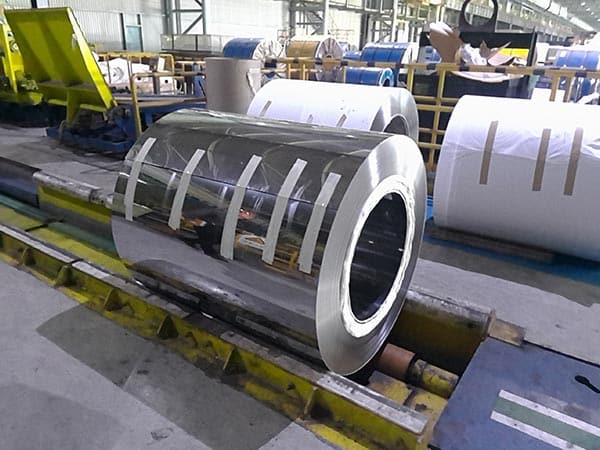
Understanding the Metallurgical DNA: Domex 700 vs. ASTM A36
Choosing between Domex 700 and ASTM A36 is not merely a matter of picking a stronger material; it is a fundamental decision regarding engineering philosophy. ASTM A36 is the bedrock of the construction industry, a carbon structural steel known for its reliability and predictability. In contrast, Domex 700 (often categorized under the S700MC designation) represents the pinnacle of thermomechanically rolled high-strength low-alloy (HSLA) steels. The primary difference lies in their yield strength: A36 offers a modest 250 MPa (36 ksi), while Domex 700 provides a staggering 700 MPa. This difference dictates everything from the thickness of the plates used to the overall weight of the final structure.
Domex 700 achieves its superior properties through a sophisticated manufacturing process. Unlike A36, which is typically hot-rolled and cooled at ambient rates, Domex 700 undergoes controlled rolling and accelerated cooling. This creates a fine-grained microstructure enriched with micro-alloying elements like niobium, vanadium, and titanium. These elements facilitate grain refinement and precipitation hardening, allowing the steel to maintain high strength without the brittleness typically associated with high carbon content. A36, meanwhile, relies on a simpler carbon-manganese chemistry, making it exceptionally easy to produce but limited in its strength-to-weight ratio.
Mechanical Properties and Load-Bearing Capacity
The performance gap between these two grades is most evident when examining their mechanical limits. For an engineer, the yield point is the most critical metric. With Domex 700, you are looking at nearly triple the load-bearing capacity of A36 for the same cross-sectional area. This allows for significant down-gauging—the practice of using thinner sections to achieve the same structural integrity.
| Property | ASTM A36 | Domex 700 (S700MC) |
|---|---|---|
| Yield Strength (min) | 250 MPa / 36 ksi | 700 MPa / 101 ksi |
| Tensile Strength | 400 - 550 MPa | 750 - 950 MPa |
| Elongation (min) | 20% (in 8") | 12% - 15% (depending on thickness) |
| Carbon Equivalent (Typical) | 0.26% | 0.39% - 0.41% |
While A36 boasts higher elongation values, suggesting better ductility in simple tension, Domex 700 is engineered for toughness. Its fine-grain structure ensures that even at high strength levels, it maintains excellent impact resistance at low temperatures, a feature often lacking in standard A36 unless specifically ordered with Charpy V-notch testing requirements. This makes Domex 700 the preferred choice for equipment operating in harsh, cold environments where brittle fracture is a constant risk.
Processing Performance: Bending, Cutting, and Welding
From a fabrication perspective, A36 is often considered the "forgiving" steel. Its low yield strength means it requires less force to bend and is less sensitive to tool wear during machining. However, Domex 700 is specifically designed for cold forming. Despite its high strength, it can be bent to tight radii without cracking, provided the fabricator accounts for the increased springback. Because Domex 700 is so much stronger, the elastic recovery after bending is significantly higher than that of A36. Operators must over-bend the material to achieve the desired final angle.
Welding these two materials requires different mindsets. A36 is highly weldable using any standard process (MIG, TIG, Stick) without preheating in most thicknesses. Domex 700 is also designed for excellent weldability due to its low carbon equivalent. However, the heat-affected zone (HAZ) in Domex 700 is more sensitive. Excessive heat input can lead to grain growth in the HAZ, which locally reduces the yield strength. Fabricators using Domex 700 must strictly control the cooling rate and interpass temperatures to preserve the benefits of the thermomechanical rolling process. When done correctly, the welded joint in Domex 700 can match the strength of the base metal, a feat difficult to achieve with older high-strength quenched and tempered steels.
Weight Reduction and Structural Efficiency
The most compelling argument for Domex 700 is weight reduction. In the transportation and lifting industries, every kilogram saved in the chassis or boom translates directly into increased payload capacity or reduced fuel consumption. By replacing A36 with Domex 700, designers can often reduce the weight of a component by 30% to 50%. For example, a trailer frame made of A36 might require thick, heavy beams to prevent deflection and failure. By switching to Domex 700, the same load can be supported by much thinner sections, reducing the dead weight of the vehicle.
- Crane Booms: Domex 700 allows for longer reach and higher lifting capacities due to reduced self-weight.
- Truck Chassis: Thinner longitudinal members increase fuel efficiency and allow for heavier cargo.
- Agricultural Equipment: High-strength steel components resist deformation under heavy soil loads while keeping the machinery light enough to prevent soil compaction.
- Waste Management: Refuse trucks utilize Domex 700 for the hopper and body to withstand the abrasive and high-pressure environment of waste compaction.
A36 remains the logical choice for static structures where weight is not a primary concern, such as building frames, base plates, and simple brackets. In these applications, the lower cost of A36 per ton outweighs the benefits of weight saving. However, as soon as the structure moves or is part of a complex machine, the performance advantages of Domex 700 begin to offer a superior return on investment.
Environmental Adaptability and Fatigue Life
Fatigue is the silent killer of steel structures, especially those subjected to cyclic loading like bridges or mobile machinery. Domex 700 exhibits superior fatigue strength compared to A36. The refined grain structure acts as a barrier to crack initiation and propagation. In applications where a component undergoes millions of load cycles, the higher fatigue limit of Domex 700 ensures a much longer service life before the first signs of structural distress appear.
Regarding corrosion, neither A36 nor Domex 700 is inherently "stainless." Both require surface protection such as painting, galvanizing, or powder coating. However, the smoother surface finish typically found on Domex 700 (due to its specialized rolling process) provides a better substrate for coatings, often resulting in improved adhesion and a more durable protective layer. In highly corrosive environments, the structural integrity of a thinner Domex 700 plate must be monitored more closely than a thick A36 plate, as the same amount of surface pitting represents a larger percentage of the total cross-section in thinner materials.
Economic Considerations: Price vs. Value
On a per-pound basis, A36 is undeniably cheaper. It is a commodity product produced by almost every mill in the world. Domex 700 is a premium brand-name product (though similar S700MC grades are available from various high-end mills) and carries a higher price tag. However, the total cost of ownership often favors Domex 700 in dynamic applications. By using less steel (thinner plates), the total tonnage required for a project decreases. This reduces shipping costs, welding consumables (smaller welds), and handling time. When the lifecycle benefits—such as fuel savings and increased payload—are factored in, Domex 700 often proves to be the more economical choice for the end-user.
The decision ultimately hinges on the specific requirements of the project. If the design is stiffness-limited (where deflection is the main concern and cannot be solved by geometry), the higher strength of Domex 700 might not be fully utilized, as both steels have roughly the same Modulus of Elasticity (approx. 200-210 GPa). But if the design is strength-limited or weight-sensitive, Domex 700 is the clear winner. Engineers must balance the ease of sourcing and low initial cost of A36 against the high-performance, weight-saving, and long-term durability of Domex 700 to determine which steel is truly "better" for their specific application.
Leave a message