
What is the 1.0972 alloy steel plate electric stove
Discover the technical specifications of 1.0972 (S315MC) alloy steel plate. This guide covers mechanical properties, chemical composition, and its critical role in high-strength industrial applications like electric stove frames.
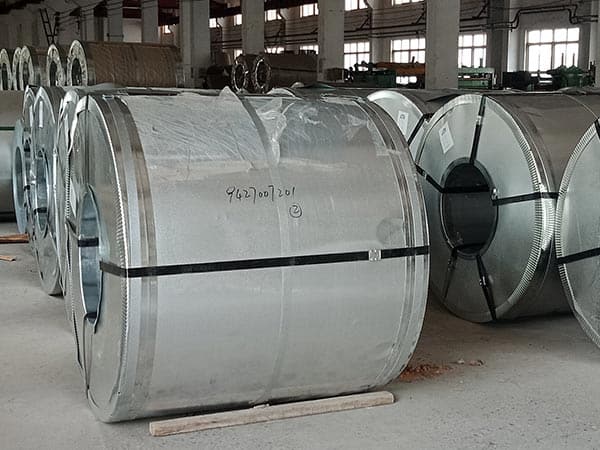
Understanding the Essence of 1.0972 Alloy Steel Plate
The material designated as 1.0972, commonly known under the EN 10149-2 standard as S315MC, represents a pinnacle of metallurgical engineering in the category of hot-rolled high yield strength steels designed specifically for cold forming. While the term "electric stove" might seem specific, in the context of high-performance steel, it refers to the structural integrity and heat-resistant frameworks required for large-scale industrial heating equipment, commercial cooking units, and heavy-duty thermal processing chambers. This steel is not just a commodity; it is a solution for engineering challenges where weight reduction must meet uncompromising structural durability.
1.0972 is a micro-alloyed steel. Unlike traditional carbon steels, it utilizes precise additions of niobium, vanadium, or titanium to achieve its superior mechanical profile. The "MC" suffix denotes that the material is thermomechanically rolled (M) and intended for cold forming (C). This manufacturing process ensures a fine-grained microstructure that is essential for maintaining toughness even at lower temperatures, making it a versatile choice for diverse environmental conditions.
Chemical Composition and Metallurgical Advantages
The performance of 1.0972 alloy steel plate is rooted in its chemistry. By keeping the carbon content exceptionally low, the material achieves excellent weldability and ductility, while the micro-alloying elements provide the necessary strength through grain refinement and precipitation hardening.
| Element | Maximum Percentage (%) |
|---|---|
| Carbon (C) | 0.12 |
| Manganese (Mn) | 1.30 |
| Silicon (Si) | 0.50 |
| Phosphorus (P) | 0.025 |
| Sulphur (S) | 0.020 |
| Aluminium (Al) | 0.015 (min) |
| Niobium (Nb) | 0.09 |
The low carbon equivalent (CEV) of 1.0972 is a significant advantage for manufacturers. It minimizes the risk of cold cracking during welding, a common issue in higher-strength alloys. The inclusion of Niobium (Nb) and Titanium (Ti) prevents grain growth during the heating cycles of welding or processing, ensuring that the heat-affected zone (HAZ) retains its mechanical integrity.
Mechanical Performance: Strength Meets Flexibility
When evaluating 1.0972 for industrial electric stove frames or structural components, mechanical properties are the primary metric. The steel must support heavy thermal insulation, electrical components, and the physical load of the stove's contents without deforming.
- Yield Strength (ReH): Minimum 315 MPa. This ensures the structure can withstand significant stress before permanent deformation occurs.
- Tensile Strength (Rm): Ranges between 390 and 510 MPa, providing a robust safety margin for structural loads.
- Elongation (A80mm): Typically ≥ 20%, allowing for complex bending and shaping without fracturing.
- Impact Strength: Excellent notch toughness, which is critical if the equipment is subjected to mechanical vibrations or thermal shocks.
These properties allow engineers to use thinner plates compared to standard S235JR steel, leading to a weight reduction of up to 25-30% without sacrificing safety. In the design of large-scale industrial stoves, this weight saving translates directly into lower shipping costs and easier installation.
Superior Processing and Cold Forming Capabilities
One of the standout features of 1.0972 alloy steel is its exceptional behavior during fabrication. For companies manufacturing electric stove housings or complex industrial brackets, the ease of processing is a key cost-saving factor.
Bending and Folding: Due to its fine-grained structure, 1.0972 can be bent to tight radii. For thicknesses less than 3mm, a 90-degree bend can often be achieved with a radius as small as 0.25 times the thickness. This allows for sleek, compact designs in commercial kitchen equipment and industrial enclosures.
Welding Excellence: 1.0972 is compatible with all standard welding methods, including MAG, TIG, and laser welding. Because of its low impurity content (low S and P), the weld seams are clean and highly resistant to tearing. No preheating is generally required for standard thicknesses, significantly speeding up production timelines.
Laser and Plasma Cutting: The flatness and consistent surface quality of 1.0972 make it ideal for high-precision laser cutting. It produces minimal dross and a clean edge, which is vital for aesthetic components of high-end electric stoves or precision-engineered thermal baffles.
Environmental Adaptability and Durability
Industrial electric stoves and heating units often operate in demanding environments involving high humidity, fluctuating temperatures, and exposure to cleaning chemicals. 1.0972 alloy steel provides a stable substrate for various protective coatings.
While 1.0972 is not a stainless steel, its surface chemistry is highly receptive to powder coating, galvanizing, and zinc-nickel plating. The tight oxide scale formed during the thermomechanical rolling process is easily removed through pickling (S315MC+P), leaving a surface that ensures maximum adhesion for paint. This prevents sub-film corrosion, which is critical for equipment longevity in commercial kitchens or factory floors.
Furthermore, the fatigue resistance of 1.0972 is noteworthy. In applications where components undergo repeated thermal expansion and contraction (typical in electric stoves), the micro-alloyed structure resists the formation of micro-cracks, extending the service life of the equipment compared to conventional mild steels.
Industrial Applications: Beyond the Stove
While 1.0972 is an excellent choice for the structural framework of high-capacity electric stoves, its utility extends across several high-stakes industries:
- Automotive Industry: Used for longitudinal beams, chassis parts, and cold-pressed structural members where high strength and low weight are mandatory.
- Construction Machinery: Ideal for crane arms, excavator components, and support frames that require high yield strength to handle heavy payloads.
- Storage Systems: High-density racking and automated warehouse structures benefit from the strength-to-weight ratio of S315MC.
- Agricultural Equipment: Plows, trailers, and harvester frames utilize the toughness of 1.0972 to endure harsh outdoor conditions and mechanical stress.
Optimizing Design with 1.0972 Steel
To maximize the benefits of 1.0972 alloy steel plate, designers should focus on the "Strength-to-Weight" optimization. By utilizing the 315 MPa yield strength, one can reduce the cross-sectional area of load-bearing members. In the context of an industrial electric stove, this might mean thinner internal support ribs that allow for more insulation material, thereby increasing the energy efficiency of the unit.
When sourcing 1.0972, it is essential to verify the material certifications (EN 10204 3.1) to ensure the chemical and mechanical properties meet the rigorous EN 10149-2 standards. This ensures that every batch of steel will behave predictably during the bending and welding phases, reducing scrap rates and ensuring the final product's reliability.
The 1.0972 alloy steel plate is a sophisticated material that bridges the gap between common structural steels and high-cost specialized alloys. Its balance of strength, formability, and weldability makes it an indispensable asset for modern industrial manufacturing, particularly where thermal stability and structural integrity are paramount.
Leave a message