
Will HR coil Q235 pickled steel coil rust?
A comprehensive technical analysis of Q235 hot-rolled pickled steel coils, exploring why they rust, the pickling process, mechanical advantages, and industrial protection strategies.
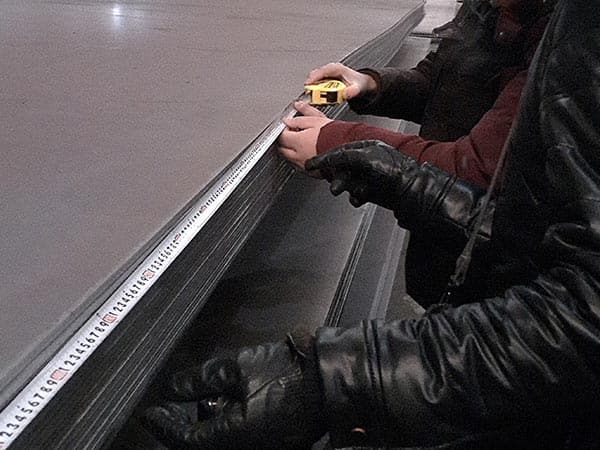
The Fundamental Nature of Q235 Pickled Steel Coils
Q235 steel is a cornerstone of industrial manufacturing, recognized for its balanced carbon content, excellent weldability, and moderate strength. When we discuss HRPO (Hot Rolled Pickled and Oiled) steel coils, we are looking at a product that has undergone a chemical cleaning process to remove the characteristic black iron oxide scale formed during hot rolling. The core question—Will HR coil Q235 pickled steel coil rust?—carries a nuanced answer: Yes, it can rust, and in fact, it is more susceptible to immediate oxidation than standard hot-rolled steel if not properly protected. The pickling process strips away the mill scale (composed of Fe3O4, Fe2O3, and FeO), leaving behind a chemically active, pure iron surface that is highly reactive with oxygen and moisture in the atmosphere.
The Chemical Mechanism of Oxidation in Q235 Steel
The chemical composition of Q235, particularly the Q235B grade, includes carbon (0.12% to 0.20%), manganese (0.30% to 0.70%), and silicon (≤0.30%). These elements provide the structural integrity required for construction and machinery, but they do not offer the corrosion resistance found in stainless steel. Once the acid bath (typically hydrochloric acid) removes the protective oxide layer, the iron atoms on the surface are exposed. In the presence of humidity, an electrochemical reaction occurs. The iron acts as an anode, losing electrons to form Fe2+ ions, while oxygen and water at the surface act as the cathode. This leads to the formation of hydrated iron(III) oxide, commonly known as red rust. Without the mill scale, which acts as a physical (though brittle) barrier, the bare steel surface is a blank canvas for corrosion.
Why Pickling is Essential Despite the Rust Risk
If pickling increases the risk of rust, why is it a standard industrial practice? The answer lies in surface quality and processing efficiency. Standard hot-rolled steel is covered in a hard, abrasive scale that causes significant wear on stamping dies and laser cutting nozzles. Pickled steel provides a smooth, clean surface that is ideal for subsequent processing. Key advantages include:
- Improved Paint Adhesion: Paint and powder coatings cannot bond effectively to loose mill scale. A pickled surface ensures a direct bond between the coating and the steel substrate.
- Precision Welding: The absence of oxide scale ensures better electrical conductivity and cleaner weld pools, reducing defects like porosity.
- Enhanced Laser Cutting: Laser beams reflect off the scale of standard hot-rolled steel, leading to inconsistent cuts. Pickled steel allows for higher cutting speeds and cleaner edges.
- Tool Longevity: The abrasive nature of mill scale is eliminated, significantly extending the life of expensive forming tools and dies.
Mechanical Performance Comparison
| Property | Standard Hot Rolled (Black) | Pickled & Oiled (HRPO) Q235 | Cold Rolled (CR) |
|---|---|---|---|
| Surface Finish | Rough, dark, scaly | Smooth, metallic grey | Very smooth, bright |
| Dimensional Accuracy | Moderate | High | Very High |
| Corrosion Resistance (Uncoated) | Low (Scale provides slight protection) | Very Low (Highly reactive) | Low (Highly reactive) |
| Processing Cost | Lowest | Medium | Highest |
The Role of Anti-Rust Oil in HRPO Coils
To mitigate the immediate threat of oxidation after the acid bath, manufacturers apply a layer of anti-rust oil. This is why the product is technically referred to as HRPO (Hot Rolled Pickled and Oiled). This oil serves as a temporary moisture barrier. However, the effectiveness of this protection depends on several factors: the type of oil used (light, medium, or heavy), the application method (electrostatic oiling is most common), and the storage environment. If the oil film is compromised during transport or if the coils are stored in a high-humidity environment (above 60% relative humidity), the steel will begin to develop "yellow spots" or localized corrosion. The oil is a temporary preservative, not a permanent solution like galvanization.
Environmental Factors Accelerating Corrosion
The rate at which Q235 pickled steel rusts is heavily dictated by its surroundings. In coastal regions, the presence of chloride ions (salt) acts as a catalyst, significantly accelerating the electrochemical reaction. Similarly, industrial environments with high levels of sulfur dioxide (SO2) can lead to the formation of weak acids on the steel surface, stripping the oil and attacking the iron. Temperature fluctuations are also critical; the "dew point" is the enemy of pickled steel. When warm, moist air hits a cold steel coil, condensation forms. This liquid water can penetrate the oil layer via capillary action, leading to rapid oxidation known as "storage stain" or white/red rust.
Strategic Applications of Q235 Pickled Steel
Despite the rust potential, Q235 HRPO is the preferred material for a vast array of structural and aesthetic components. In the automotive industry, it is used for chassis parts, seat frames, and inner panels where the surface must be clean for welding but will eventually be protected by E-coating. In the appliance sector, it serves as the base for refrigerator brackets and washing machine components. The machinery manufacturing sector utilizes it for laser-cut brackets and enclosures. The common thread in these applications is that the steel is processed (cut, bent, welded) and then quickly coated with a permanent finish, such as paint, plating, or powder coating, which solves the rust issue permanently.
Best Practices for Storage and Handling
To prevent Q235 pickled coils from rusting before they reach the production line, strict protocols must be followed. VCI (Volatile Corrosion Inhibitor) packaging is the gold standard, providing a molecular layer of protection that reaches areas the oil might miss. Coils should be stored in climate-controlled warehouses with stable temperatures to avoid condensation. First-in, first-out (FIFO) inventory management is essential, as even the best anti-rust oils have a shelf life, typically ranging from 3 to 6 months depending on the grade. When handling, workers should avoid touching the bare steel with sweaty hands, as the salts and acids in human skin can initiate localized corrosion spots that are visible even after painting.
Future Trends: Sustainable Pickling and Advanced Coatings
The steel industry is moving toward more environmentally friendly pickling methods, such as Eco-Pickled Surface (EPS) technology. EPS uses a mechanical process (high-speed slurry) instead of acid to remove scale, which leaves the steel surface more stable and less prone to the rapid "flash rust" associated with traditional acid pickling. Furthermore, the development of thin-film organic coatings is beginning to replace traditional oils, providing longer-lasting protection that does not need to be removed before welding or painting, thereby streamlining the manufacturing workflow and reducing the environmental footprint of degreasing processes.
Final Technical Assessment
While Q235 pickled steel coil is inherently vulnerable to rust due to its exposed, high-energy surface, it remains an indispensable material due to its superior processing characteristics. The rust risk is not a defect but a characteristic that must be managed through proper oiling, climate-controlled logistics, and timely surface finishing. By understanding the chemistry of the Q235 substrate and the physics of the pickling process, engineers can leverage the benefits of a clean surface while implementing robust protection strategies to ensure the longevity of the final product.
Leave a message