
How to get the s700mc steel equivalent astm price
Explore the comprehensive guide on S700MC steel, its ASTM equivalents like A1011 and A656, mechanical properties, and strategies for obtaining the best market pricing.
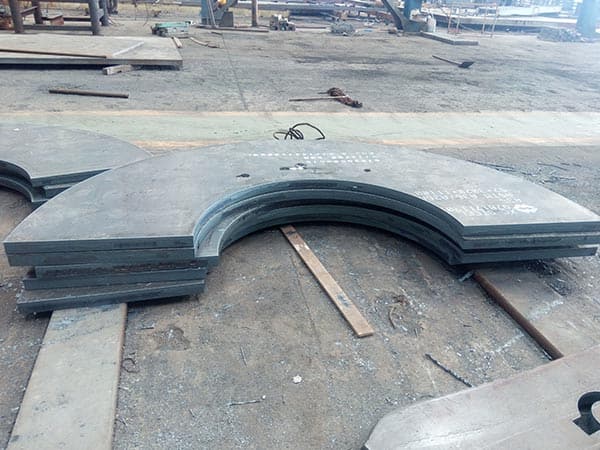
Understanding the S700MC High-Strength Steel Standard
S700MC is a high-strength, thermomechanically rolled structural steel governed by the EN 10149-2 standard. The "S" stands for structural steel, "700" denotes the minimum yield strength of 700 MPa, and "MC" indicates that the material is produced through a thermomechanical rolling process (M) and is suitable for cold forming (C). This steel grade is highly valued for its ability to reduce the weight of structures while maintaining exceptional load-bearing capacity.
When engineers and procurement managers look for the S700MC steel equivalent ASTM price, they are essentially searching for North American standards that offer similar performance characteristics. The most common equivalents found in the ASTM system are ASTM A1011 Grade 100 (for thin sheets) and ASTM A656 Grade 100 (for thicker plates). Understanding these nuances is critical because price fluctuations often depend on which specific standard is being utilized and the regional availability of the raw material.
Chemical Composition and Grain Refinement
The performance of S700MC and its ASTM counterparts relies heavily on precise chemical control. Unlike traditional structural steels, S700MC utilizes micro-alloying elements such as Niobium (Nb), Vanadium (V), and Titanium (Ti) to achieve its high strength without compromising weldability. These elements facilitate grain refinement during the thermomechanical rolling process.
| Element | S700MC (EN 10149-2) % Max | ASTM A1011 Gr.100 % Max |
|---|---|---|
| Carbon (C) | 0.12 | 0.15 |
| Manganese (Mn) | 2.10 | 2.00 |
| Silicon (Si) | 0.60 | 0.50 |
| Phosphorus (P) | 0.025 | 0.025 |
| Sulfur (S) | 0.015 | 0.015 |
| Aluminium (Al) | 0.015 | 0.010 (Min) |
Low carbon content is a hallmark of S700MC, ensuring that the steel remains ductile and easy to weld. The low sulfur content is also vital for improving the material's impact toughness and resistance to lamellar tearing. When comparing prices, ensure the supplier provides a Mill Test Report (MTR) that confirms these micro-alloying levels, as cheaper alternatives may lack the precise grain structure required for high-stress applications.
Mechanical Properties and Performance Benchmarks
The primary reason for selecting S700MC is its impressive strength-to-weight ratio. With a minimum yield strength of 700 MPa (approx. 101 ksi), it allows for significant thickness reduction compared to standard S355 or A36 steels. This weight reduction directly translates to fuel savings in the transport industry and lower material costs in large-scale construction.
- Yield Strength: Min. 700 MPa (for thicknesses ≤ 8mm).
- Tensile Strength: 750–950 MPa.
- Elongation: Min. 10% to 12% depending on thickness.
- Bending Radius: S700MC is designed for cold forming, typically allowing a minimum bending radius of 1.5 to 2.0 times the thickness.
ASTM A1011 Grade 100 offers very similar yield and tensile ranges, but it is important to check the elongation requirements. S700MC often provides better consistency in cold-forming operations due to the strict thermomechanical rolling controls used in European and high-end Asian mills. If your project requires tight bends, the price premium for a high-quality S700MC might be offset by lower scrap rates during production.
Key Factors Influencing S700MC and ASTM Equivalent Prices
Obtaining a competitive S700MC steel price requires an understanding of the global supply chain. Prices are not static and are influenced by several variables:
1. Raw Material Costs: The cost of iron ore and coking coal remains the foundation of steel pricing. However, for S700MC, the price of micro-alloys like Vanadium and Niobium can cause specific price spikes independent of the broader steel market.
2. Production Complexity: Thermomechanical rolling is more energy-intensive and requires specialized rolling mills. Not all steel plants can produce S700MC. The limited number of qualified manufacturers means that supply can be tighter than for standard grades, leading to higher premiums.
3. Thickness and Width Extras: Steel prices are often quoted as a base price plus "extras." For S700MC, very thin gauges (under 3mm) or very wide coils/plates often incur additional processing fees. When requesting a quote for ASTM A1011 Grade 100, specify whether you need dry or pickled and oiled (P&O) surfaces, as this significantly impacts the final cost.
4. Logistics and Origin: If you are in North America, sourcing ASTM A1011/A656 may be more cost-effective due to lower shipping costs and the absence of import duties. Conversely, in Europe or for projects following Eurocode standards, S700MC is the default, and importing ASTM equivalents might involve costly certification hurdles.
Industry Applications and Economic Benefits
S700MC has revolutionized several heavy industries. Heavy-duty vehicle manufacturers utilize this grade for truck chassis and frames. By using 700 MPa steel instead of 355 MPa steel, the frame weight can be reduced by up to 30%, allowing for higher payloads and better fuel economy. This "lightweighting" is a major driver of the demand for S700MC.
In the crane and lifting equipment industry, S700MC is used for telescopic booms and support structures. The high strength allows for longer reach and higher lift capacities without making the equipment too heavy for road transport. Agricultural machinery, such as trailers and harvesters, also benefits from the impact resistance and durability of this grade in harsh environments.
When calculating the price, consider the Total Cost of Ownership (TCO). While S700MC may have a higher per-ton price than S355, the reduction in the amount of steel required, combined with lower welding costs (due to thinner sections), often results in a lower overall project cost.
How to Get the Best Quote for S700MC and ASTM Equivalents
To secure the most accurate and competitive price, follow these procurement strategies:
- Provide Detailed Specifications: Don't just ask for "S700MC." Specify the required thickness, width, length, and any specific impact testing requirements (e.g., Charpy V-notch at -20°C or -40°C).
- Verify Equivalent Standards: If your design allows, ask for quotes on both S700MC and ASTM A1011 Grade 100. Suppliers may have one in stock but not the other, and the price difference can be substantial.
- Check Certification: Ensure the supplier can provide EN 10204 3.1 certification. For ASTM grades, ensure they meet the specific Type 1 or Type 2 requirements for chemical composition.
- Volume and Lead Times: Large orders placed directly with the mill will offer the best pricing but require long lead times (8–12 weeks). For urgent needs, steel service centers provide faster delivery but at a higher markup.
Strategic sourcing involves monitoring the LME (London Metal Exchange) or SHFE (Shanghai Futures Exchange) trends, as these often precede changes in the physical steel market. By timing your purchase during market dips and consolidating your requirements, you can significantly reduce your expenditure on high-strength materials.
Environmental Adaptability and Sustainability
Modern engineering demands materials that perform in extreme conditions. S700MC exhibits excellent environmental adaptability, particularly in cold climates. Its fine-grained structure provides better resistance to brittle fracture compared to standard hot-rolled steels. This makes it ideal for equipment used in mining or arctic oil and gas exploration.
Furthermore, the use of S700MC contributes to sustainability goals. Using less steel means less energy consumed in production and transport. As the industry moves toward "Green Steel," many producers are now offering S700MC made with electric arc furnaces (EAF) powered by renewable energy, though this may come with a "green premium" in the current market price.
When evaluating the ASTM equivalent price, always ask about the recycled content if your project requires LEED or other environmental certifications. The ability to meet high-strength requirements with a lower carbon footprint is becoming a key competitive advantage in the global steel trade.
Leave a message