
Will s460mc cold forming autobobile steel composition rust?
A comprehensive guide to S460MC steel, focusing on its chemical composition, rust susceptibility, mechanical performance, and industrial applications.
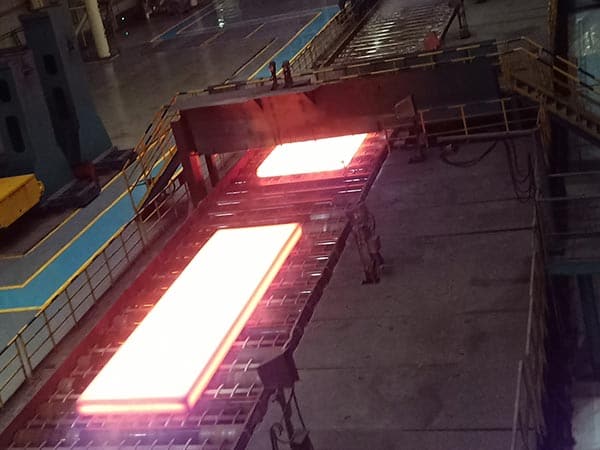
Understanding the Core Nature of S460MC Steel
S460MC is a high-strength low-alloy (HSLA) steel specifically designed for cold forming applications, primarily governed by the EN 10149-2 standard. When engineers and procurement specialists ask whether S460MC will rust, the direct answer is yes, as it is fundamentally a carbon-based steel. However, the nuances lie in its chemical composition, the speed of oxidation, and how its surface state interacts with environmental moisture and oxygen.
Unlike stainless steels which contain high levels of chromium (typically above 10.5%) to form a passive protective layer, S460MC relies on micro-alloying elements like Niobium (Nb), Titanium (Ti), and Vanadium (V) to achieve its high yield strength of 460 MPa. These elements refine the grain structure but do not provide inherent immunity to atmospheric corrosion. Understanding the relationship between its metallurgical makeup and environmental stability is crucial for maximizing the lifespan of automotive components.
Chemical Composition and Its Influence on Oxidation
The chemical blueprint of S460MC is optimized for weldability and formability. While these elements enhance mechanical performance, they play specific roles in how the steel reacts to its surroundings. Below is a breakdown of the typical chemical composition based on EN 10149-2:
| Element | Maximum Content (%) | Impact on Performance |
|---|---|---|
| Carbon (C) | 0.12 | Ensures excellent weldability and prevents brittleness. |
| Manganese (Mn) | 1.60 | Increases strength and hardness; slightly improves hardenability. |
| Silicon (Si) | 0.50 | Acts as a deoxidizer; contributes to solid solution strengthening. |
| Phosphorus (P) | 0.025 | Kept low to maintain toughness and prevent cold shortness. |
| Sulfur (S) | 0.015 | Minimized to improve ductility and surface quality. |
| Aluminium (Al) | 0.015 (min) | Used for grain refinement and nitrogen binding. |
| Nb/Ti/V | 0.09 / 0.15 / 0.20 | Micro-alloying elements that provide high strength via grain refinement. |
Because the Carbon content is kept exceptionally low, S460MC is less prone to the formation of massive carbides that can sometimes act as initiation points for localized pitting in higher carbon steels. However, the lack of significant Chromium or Nickel means that when exposed to humidity, the iron (Fe) in the steel will inevitably react with oxygen to form iron oxide (rust).
The Mechanism of Rusting in S460MC
Rusting is an electrochemical process. For S460MC, this usually begins when the surface is exposed to water and oxygen. The process can be accelerated by several factors:
- Hygroscopic Salts: If the steel is used in coastal regions or areas where road salts are common, the chloride ions penetrate the surface moisture, significantly accelerating the corrosion rate.
- Surface Roughness: S460MC is often delivered in a thermomechanically rolled state. If the surface has scale or is overly rough, it can trap moisture, leading to localized oxidation.
- Cold Working Stress: The "MC" in S460MC stands for thermomechanically rolled (M) and cold forming (C). The internal stresses introduced during bending or stretching can slightly increase the chemical potential of the surface, making it more reactive in corrosive environments.
Mechanical Performance and Structural Integrity
The primary reason for choosing S460MC over standard mild steel is its superior strength-to-weight ratio. By using S460MC, manufacturers can reduce the thickness of automotive parts without sacrificing safety or structural rigidity. This is vital for lightweighting in modern vehicle design.
| Property | Value (Typical) |
|---|---|
| Yield Strength (ReH) | ≥ 460 MPa |
| Tensile Strength (Rm) | 520 - 670 MPa |
| Elongation (A80mm) | ≥ 14% (Thickness < 3mm) |
| Bending Radius (90°) | 0.8 x Thickness (t) |
It is important to note that while rust is a surface phenomenon, if left unchecked, deep pitting can create stress concentrators. In high-strength steels like S460MC, these pits can become focal points for fatigue cracks, especially in components subjected to cyclic loading like truck chassis or crane arms.
Advanced Cold Forming and Process Adaptability
S460MC is celebrated for its exceptional cold forming capabilities. Unlike traditional high-strength steels that might crack during tight radius bending, the fine-grained structure of S460MC allows for complex geometries. This is achieved through precise control of the rolling temperature and cooling rate during production at the mill.
When processing S460MC, it is essential to consider the springback effect. Because the yield strength is significantly higher than that of S235 or S355, the material will attempt to return to its original shape more forcefully after the forming load is removed. Tooling must be designed with this higher elastic recovery in mind. Furthermore, the clean chemical composition ensures that the steel does not suffer from edge cracking during punching or laser cutting, provided the tools are sharp and the parameters are optimized.
Environmental Adaptation and Surface Protection
To prevent S460MC from rusting, several surface treatment strategies are employed depending on the final application:
- Pickling and Oiling (P&O): This is the most common delivery condition. The mill scale is removed via an acid bath (pickling), and a thin layer of protective oil is applied to prevent flash rust during transport and storage.
- Cathodic Protection (Galvanizing): For components exposed to the elements, such as undercarriage parts, S460MC can be hot-dip galvanized or electro-galvanized. The zinc layer acts as a sacrificial anode.
- Organic Coatings (Painting/E-Coating): In the automotive industry, E-coating (electrophoretic deposition) is the standard. It provides a uniform, corrosion-resistant layer even in recessed areas of complex formed parts.
- Wax Injection: For hollow sections made from S460MC, internal wax coatings are often used to prevent moisture buildup inside the frame.
Expanding Industry Applications
The versatility of S460MC extends far beyond simple automotive brackets. Its unique combination of high strength and excellent formability makes it a preferred choice in several demanding sectors:
1. Heavy Transportation: Chassis frames for trucks and trailers benefit from S460MC because it allows for thinner longitudinal beams, increasing the vehicle's payload capacity while maintaining the necessary stiffness to handle heavy cargo.
2. Construction Machinery: Components for cranes, excavators, and agricultural equipment utilize S460MC for structural parts that require high load-bearing capacity but must be light enough to allow for mobility and fuel efficiency.
3. Solar Mounting Systems: In the renewable energy sector, S460MC is increasingly used for long-span solar trackers. These structures must withstand high wind loads and remain stable for decades, necessitating robust galvanized S460MC profiles.
4. Cold-Formed Sections: Profiles used in automated warehousing and racking systems leverage the high yield strength of S460MC to support massive vertical loads while keeping the overall structure slender.
Comparative Analysis: S460MC vs. Weathering Steel
Sometimes S460MC is confused with weathering steels (like Corten). It is vital to distinguish that S460MC does not contain the Copper (Cu) and Chromium (Cr) levels required to form a stable, protective "patina." While weathering steel develops a rust-like layer that actually prevents further corrosion, the rust on S460MC is porous and will continue to flake off, exposing fresh metal to oxidation. Therefore, S460MC must always be treated or coated if it is to be used in outdoor or high-moisture environments.
Optimizing Longevity in Manufacturing
To ensure that S460MC components do not suffer from premature corrosion, manufacturers should implement strict handling protocols. Storing raw sheets in a temperature-controlled, dry environment is the first step. During the welding process, it is important to remove any anti-corrosive oils near the weld zone to prevent porosity, but the area should be re-protected immediately after welding and cleaning. Using compatible filler metals that match the strength of S460MC while offering similar oxidation characteristics ensures that the weld joint does not become the "weak link" in the assembly's corrosion resistance.
By understanding that S460MC is a performance-oriented material designed for strength and formability rather than inherent corrosion resistance, engineers can make informed decisions about protective coatings. This ensures that the structural advantages of this remarkable HSLA steel are preserved throughout the intended service life of the vehicle or machine.
Leave a message