
wys700 steel pickling steel sheet stockist and supplier
Explore WYS700 steel pickling sheets with our expert guide. Learn about chemical composition, mechanical properties, welding techniques, and industrial applications for high-strength steel solutions.
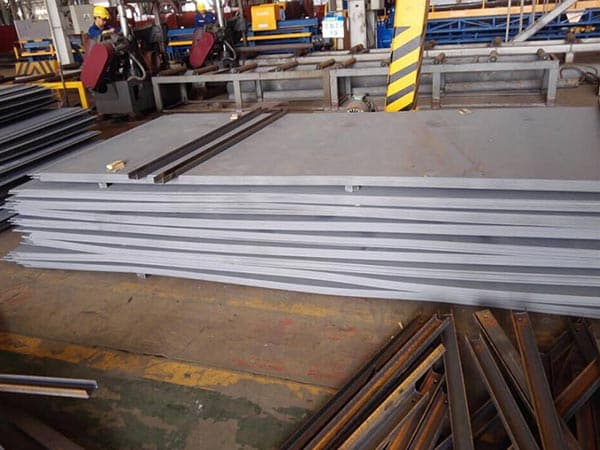
The Evolution of High-Strength Solutions: Understanding WYS700 Steel
Modern engineering demands materials that bridge the gap between extreme strength and weight efficiency. WYS700 steel, a high-strength low-alloy (HSLA) structural steel, has emerged as a cornerstone for manufacturers aiming to optimize performance without compromising durability. As a WYS700 steel pickling steel sheet stockist and supplier, we recognize that the transition from standard hot-rolled grades to 700MPa class steel requires a deep understanding of metallurgy and surface chemistry. This grade is specifically engineered to provide a minimum yield strength of 700 MPa, making it ideal for structural components that endure high stress while maintaining a lean profile.
The "WYS" prefix often denotes specific mill standards, such as those from Wuyang Iron and Steel, while the "700" signifies its robust mechanical threshold. When supplied in a pickled and oiled (P&O) condition, this steel offers a clean, scale-free surface that is ready for immediate processing. This article delves into the multi-dimensional attributes of WYS700, providing engineers and procurement specialists with the technical insights needed to leverage this material effectively.
Chemical Composition and Metallurgical Design
The exceptional performance of WYS700 is not accidental; it is the result of precise micro-alloying. Unlike traditional carbon steels that rely on high carbon content for strength—which often leads to brittleness and poor weldability—WYS700 utilizes a low-carbon design supplemented by elements like Niobium (Nb), Vanadium (V), and Titanium (Ti). These elements facilitate grain refinement and precipitation hardening during the thermomechanical rolling process.
| Element | Carbon (C) | Manganese (Mn) | Silicon (Si) | Phosphorus (P) | Sulfur (S) | Nb+V+Ti | Aluminum (Al) |
|---|---|---|---|---|---|---|---|
| Content (Max %) | 0.12 | 2.10 | 0.50 | 0.025 | 0.015 | 0.22 | 0.015 (Min) |
By keeping the carbon equivalent (Ceq) low, WYS700 maintains excellent weldability. The inclusion of Manganese enhances hardenability and strength, while the micro-alloying triad (Nb, V, Ti) ensures that the steel retains a fine-grained structure even after heat exposure during welding. This metallurgical balance is critical for preventing the formation of coarse grains in the heat-affected zone (HAZ), which could otherwise become points of structural failure.
Mechanical Properties: Strength Meets Ductility
The defining characteristic of WYS700 is its yield strength, but its utility is defined by its balance of tensile strength and elongation. For a WYS700 steel pickling steel sheet stockist and supplier, ensuring that every batch meets these rigorous standards is paramount for safety-critical applications.
| Property | Yield Strength (MPa) | Tensile Strength (MPa) | Elongation A50 (%) | Impact Energy (-20°C) |
|---|---|---|---|---|
| Value | ≥ 700 | 750 - 950 | ≥ 12 | ≥ 27J (Optional) |
The high yield-to-tensile ratio allows for significant weight reduction in vehicle frames and crane booms. However, engineers must account for the lower elongation compared to mild steels. Designing with WYS700 requires a shift in perspective: instead of relying on bulk material, the focus turns to geometry and high-strength integrity. The material’s ability to withstand impact at low temperatures also makes it suitable for equipment operating in harsh, cold climates, where ordinary steels might suffer from cold brittleness.
The Pickling Advantage: Surface Quality and Process Efficiency
Choosing pickled and oiled WYS700 over standard hot-rolled plates offers several manufacturing advantages. The pickling process involves passing the steel through a series of hydrochloric acid baths to remove the dark iron oxide scale (mill scale) formed during hot rolling. This results in a smooth, metallic finish that is then coated with a thin layer of rust-preventative oil.
- Enhanced Tool Life: Mill scale is abrasive. By using pickled steel, manufacturers can significantly reduce wear on stamping dies, laser cutting nozzles, and bending tools.
- Superior Coating Adhesion: For industries requiring painting or powder coating, a pickled surface provides a clean substrate that ensures maximum adhesion and prevents sub-film corrosion.
- Precision Welding: Removing the oxide layer ensures a more stable arc during welding and reduces the risk of inclusions and porosity in the weld bead.
- Visual Inspection: A clean surface allows for easier detection of surface defects, ensuring that only high-quality material enters the production line.
As a specialized WYS700 steel pickling steel sheet stockist and supplier, we provide material that is leveled and tension-leveled after pickling. This ensures superior flatness, which is essential for high-speed automated laser cutting and CNC punching operations.
Advanced Processing: Bending, Welding, and Cutting
Working with 700MPa steel requires specific technical adjustments. While WYS700 is highly formable for its strength level, it possesses a higher "springback" effect compared to lower-grade steels. When cold-bending, the internal radius should be carefully selected based on the thickness of the sheet. Typically, a minimum bending radius of 1.5 to 2.0 times the thickness (t) is recommended to prevent cracking on the outer tension surface.
Welding WYS700 is highly efficient using standard methods such as MAG (Metal Active Gas) or laser welding. Because of its low carbon equivalent, preheating is generally unnecessary for thicknesses under 10mm. However, it is vital to control the heat input. Excessive heat can cause grain growth in the HAZ, slightly reducing the local strength. Using high-quality filler metals that match the strength of the base material—such as those meeting AWS A5.28 ER110S-G standards—ensures the integrity of the entire structure.
Laser cutting is the preferred method for profiling WYS700. The pickled surface allows the laser to maintain a consistent focus, resulting in clean edges with minimal dross. This reduces the need for secondary grinding, further lowering production costs.
Industry Applications: Driving Efficiency Across Sectors
The adoption of WYS700 has revolutionized several heavy industries. In the automotive and transportation sector, it is the material of choice for truck chassis, cross members, and trailer frames. By replacing thicker, lower-strength steels with thinner WYS700 sheets, manufacturers can reduce the tare weight of vehicles, thereby increasing payload capacity and improving fuel efficiency—a key factor in modern green logistics.
In the construction and lifting equipment industry, WYS700 is used for telescopic crane booms, aerial work platforms, and concrete pump arms. The high strength-to-weight ratio allows these machines to reach higher and further while maintaining stability. Furthermore, the agricultural sector utilizes this grade for high-stress components in harvesters and plows, where resistance to deformation and fatigue is critical for long-term reliability.
The energy sector also benefits from WYS700 in the construction of wind turbine components and support structures for solar arrays. Its ability to withstand high wind loads while remaining lightweight simplifies the logistics of transporting large components to remote sites.
Strategic Sourcing: Choosing a Reliable Stockist and Supplier
Procuring WYS700 is not just about finding the lowest price; it is about ensuring traceability and consistency. A reputable WYS700 steel pickling steel sheet stockist and supplier must provide comprehensive Mill Test Certificates (MTC) that detail the chemical heat analysis and mechanical test results. Consistency in thickness tolerances and flatness is also vital for automated manufacturing environments.
Inventory management plays a crucial role. A dedicated supplier maintains a diverse range of thicknesses and widths to meet the just-in-time (JIT) requirements of modern factories. Value-added services, such as precision slitting, decoiling, and custom shearing, allow manufacturers to receive material that is ready for the production line, reducing internal scrap rates and handling costs. When evaluating a supplier, consider their ability to provide technical support, especially regarding bending parameters and welding procedures tailored to your specific project needs.
The move toward WYS700 represents a commitment to engineering excellence. By understanding the metallurgical foundations, mechanical limits, and processing advantages of this high-strength pickled steel, manufacturers can create products that are lighter, stronger, and more competitive in the global marketplace. Whether you are redesigning a heavy-duty trailer or optimizing a complex lifting mechanism, WYS700 provides the structural backbone necessary for the next generation of industrial innovation.
Leave a message