
density of domex steel freight rose
A comprehensive technical analysis of Domex steel density, mechanical properties, and its impact on freight efficiency and industrial application performance.
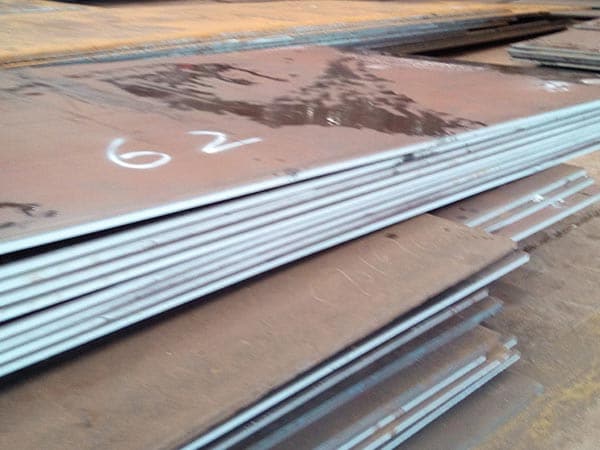
The Technical Essence of Domex High-Strength Steel
Domex steel represents a pinnacle in the evolution of hot-rolled, extra-high-strength cold-forming steels. Developed primarily through thermomechanical rolling processes, these steels are designed to offer a unique combination of high yield strength and excellent formability. When discussing the density of Domex steel in the context of freight and logistics, it is essential to recognize that while the physical density remains consistent with standard carbon steels at approximately 7,850 kg/m³, its strength-to-weight ratio is what truly transforms the economic landscape of transportation and heavy machinery.
The manufacturing process involves precise control of the chemical composition and the cooling rate after rolling. This results in a fine-grained microstructure that provides superior toughness and fatigue resistance. For industries where every kilogram of dead weight translates into lost revenue, Domex provides a path toward structural optimization. By utilizing thinner gauges of Domex 700MC or 960MC instead of traditional S355 structural steel, engineers can reduce the mass of a vehicle's chassis or a container's frame by up to 40% without compromising safety or durability.
Mechanical Properties and Material Integrity
The mechanical performance of Domex steel is categorized by its yield strength, which is denoted in the grade name (e.g., Domex 700MC has a minimum yield strength of 700 MPa). This high strength is achieved through micro-alloying with elements like niobium, titanium, and vanadium. These elements facilitate grain refinement and precipitation hardening, ensuring that the material maintains its integrity even under extreme stress.
| Steel Grade | Yield Strength (Min MPa) | Tensile Strength (MPa) | Elongation (Min %) | Typical Density (kg/m³) |
|---|---|---|---|---|
| Domex 355MC | 355 | 430-550 | 23 | 7850 |
| Domex 460MC | 460 | 520-670 | 17 | 7850 |
| Domex 600MC | 600 | 650-820 | 13 | 7850 |
| Domex 700MC | 700 | 750-950 | 12 | 7850 |
The consistency in density across these grades means that the freight advantage is not found in the material's weight per cubic meter, but in the volume of material required to meet specific load-bearing requirements. This is a critical distinction for freight operators and manufacturers. When the density of the freight "rose" in terms of efficiency, it refers to the ability to carry more cargo because the vessel or vehicle itself is lighter.
Impact on Freight Efficiency and Logistics
In the logistics sector, the "freight rose" phenomenon is directly linked to the reduction of tare weight. For heavy-duty trailers, rail wagons, and shipping containers, the use of Domex steel allows for a significant increase in payload capacity. Payload optimization is the primary driver for the adoption of high-strength low-alloy (HSLA) steels. When a trailer is constructed using Domex 700MC, the reduction in steel weight allows the operator to carry more goods per trip, effectively lowering the cost per ton-mile.
- Fuel Economy: Lighter vehicles consume less fuel, especially during acceleration and uphill climbs.
- Carbon Footprint: Lower fuel consumption directly correlates with reduced CO2 emissions, helping companies meet environmental regulations.
- Maintenance Costs: Reduced dead weight leads to less wear and tear on tires, brakes, and suspension systems.
- Regulatory Compliance: High-strength steel helps vehicles stay within legal axle load limits while maximizing cargo volume.
Advanced Processing and Fabricability
One of the standout features of Domex steel is its exceptional weldability and cold-forming properties. Despite its high strength, it behaves predictably during fabrication. The low carbon equivalent (CEV) value ensures that the steel can be welded using standard methods (MIG/MAG, TIG, submerged arc) without the need for extensive preheating, which is often required for other high-strength materials. This ease of processing reduces manufacturing lead times and labor costs.
Bending and Folding: Domex steels are designed for tight bending radii. The fine-grained structure prevents cracking on the outer tension surface during the folding process. This allows for the creation of complex, rigid geometries that further enhance the structural stiffness of freight components. When designing a chassis, these complex bends can replace heavy reinforcement plates, further contributing to weight savings.
Laser and Plasma Cutting: The high purity and consistent surface quality of Domex make it ideal for automated cutting processes. The minimal internal stress within the plates ensures that parts remain flat and dimensionally accurate after cutting, which is vital for high-precision assembly in the automotive and aerospace industries.
Environmental Adaptation and Durability
Freight equipment often operates in harsh environments, from sub-zero arctic temperatures to humid coastal regions. Domex steel is engineered to maintain its impact toughness at low temperatures, often down to -40°C or even -60°C for specific grades. This prevents brittle fracture, a common failure mode in standard carbon steels when exposed to dynamic loads in cold climates.
The surface of Domex steel is typically optimized for coating adhesion. Whether it is galvanizing, painting, or powder coating, the material provides a stable substrate that resists corrosion. This longevity is crucial for the freight industry, where the expected service life of a trailer or container can exceed 15 to 20 years. By maintaining structural integrity over decades, Domex reduces the lifecycle cost of the equipment and minimizes the need for frequent replacements.
Expanding Industry Applications
Beyond traditional road transport, the density-to-strength advantages of Domex are being utilized in diverse sectors. In the agricultural industry, lighter machinery reduces soil compaction, preserving land productivity while allowing for larger implements. In the construction sector, crane booms made of Domex can reach higher and lift more due to the reduced weight of the boom itself.
The rise in freight efficiency through material science is a testament to the role of Domex in modern engineering. By shifting the focus from simply "more steel" to "smarter steel," manufacturers can create products that are stronger, lighter, and more sustainable. The density of the steel remains a constant of physics, but the density of the value it provides continues to climb as engineering techniques evolve.
Leave a message