
What is the s420mc galvanealed coil density surface treatment
Explore the technical specifications of S420MC galvannealed coils, including density, ZF surface treatment, mechanical properties, and industrial applications.
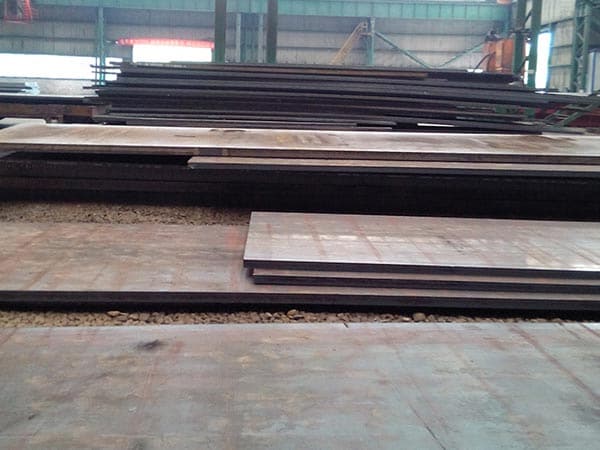
Understanding S420MC Galvannealed Steel: A High-Performance Synergy
When engineering modern structural components, the demand for materials that balance high strength with superior surface protection has never been higher. S420MC galvannealed coil represents a pinnacle of metallurgical engineering, combining the high-yield strength of thermomechanically rolled steel with the sophisticated corrosion resistance of a zinc-iron alloy coating. This material is specifically designed for cold-forming applications where weight reduction and durability are non-negotiable.
The Critical Density of S420MC Steel
For engineers and logistics managers, the density of a material is the foundation for calculating structural load-bearing capacity and shipping costs. The theoretical density of S420MC steel is 7.85 g/cm³ (or 7850 kg/m³). This value is standard for carbon steels and high-strength low-alloy (HSLA) grades. However, when dealing with galvannealed coils, it is essential to consider the coating mass.
The galvannealed coating (often designated as ZF) typically adds a layer ranging from 60g/m² to 140g/m² across both sides. While this coating is extremely thin—measured in microns—it must be factored into precision weight calculations for high-volume manufacturing. The base metal S420MC provides the structural integrity, while the density remains consistent across different batches due to the precise control of alloying elements like niobium, vanadium, and titanium.
The Galvannealed (ZF) Surface Treatment Process
Unlike standard hot-dip galvanizing (GI), the galvannealed (GA) surface treatment involves an additional annealing process immediately after the steel emerges from the molten zinc bath. The coil is heated to promote inter-diffusion between the liquid zinc and the iron from the S420MC substrate. This results in a coating that is actually a zinc-iron alloy, typically containing 8% to 12% iron.
This surface treatment yields a characteristic matte grey finish, which is devoid of the spangles seen on regular galvanized steel. The presence of iron within the coating layer provides several distinct advantages:
- Superior Paint Adhesion: The microscopic surface profile of a galvannealed coating is porous and rougher than pure zinc, providing an excellent mechanical bond for primers and topcoats.
- Enhanced Weldability: Because the zinc-iron alloy has a higher melting point and higher electrical resistance than pure zinc, it is significantly easier to spot-weld, resulting in longer electrode life and more consistent weld nuggets.
- Hardness and Scratch Resistance: The alloy layer is harder than pure zinc, making the S420MC GA coil more resistant to mechanical damage during handling and stamping.
Chemical Composition and Its Influence
The performance of S420MC is dictated by its precise chemical makeup. As a thermomechanically rolled steel under the EN 10149-2 standard, it utilizes micro-alloying to achieve its strength without the brittleness associated with high carbon content.
| Element | Maximum Content (%) |
|---|---|
| Carbon (C) | 0.12 |
| Manganese (Mn) | 1.60 |
| Silicon (Si) | 0.50 |
| Phosphorus (P) | 0.025 |
| Sulfur (S) | 0.015 |
| Al + Ti + Nb + V | Combined Micro-alloys for Grain Refinement |
This low carbon equivalent ensures that the S420MC substrate remains highly ductile, allowing for complex bending and deep drawing even after the galvannealing process has been applied.
Mechanical Properties: Strength Meets Formability
The "420" in S420MC signifies a minimum yield strength of 420 MPa. This high strength-to-weight ratio allows manufacturers to use thinner gauges of steel to achieve the same structural performance as thicker, lower-grade steels, effectively reducing the overall weight of the final product.
| Property | Value (Metric) |
|---|---|
| Yield Strength (Reh) | Min. 420 MPa |
| Tensile Strength (Rm) | 480 - 620 MPa |
| Elongation (A80mm) | Min. 16% (for thickness < 3mm) |
| Bending Radius (180°) | 0.5t to 1.5t (depending on orientation) |
These mechanical properties are preserved during the galvannealing heat treatment, ensuring that the final coil retains its structural integrity while gaining its protective alloy layer.
Secondary Surface Treatments and Passivation
To ensure the S420MC galvannealed coil remains pristine during transit and storage, several secondary surface treatments are often applied. These treatments prevent the formation of "white rust" (zinc oxide) and improve the ease of processing.
- Chemical Passivation (C): A thin chromate or chrome-free layer is applied to stabilize the surface against moisture.
- Oiling (O): A layer of electrostatic oil is applied to provide temporary corrosion protection and act as a lubricant during light stamping operations.
- Anti-Fingerprint (AFP): A transparent organic coating that prevents marking during manual handling and improves the aesthetic consistency of the matte finish.
- Phosphating (P): Often used when the material is intended for immediate high-end automotive painting, providing an even better substrate for E-coating.
Advanced Processing Performance
S420MC galvannealed steel is prized for its cold-forming capabilities. Unlike some high-strength steels that become brittle, the micro-alloyed structure of S420MC allows for tight bending radii without cracking. This is crucial for automotive chassis components and structural brackets.
In terms of welding, the ZF coating is the gold standard for automotive production lines. Standard galvanized steel often causes "zinc spit" and rapid electrode degradation. The iron content in the S420MC GA coating stabilizes the arc and reduces the volatility of the zinc, allowing for faster production speeds and higher quality joints in robotic welding cells.
Expanding Industry Applications
The unique combination of 420 MPa yield strength and a weldable, paintable alloy coating makes S420MC GA coils indispensable in several sectors. In the automotive industry, it is used for longitudinal beams, cross members, and suspension towers where crash safety and corrosion resistance are paramount.
In the heavy machinery sector, it serves as the primary material for crane booms and agricultural equipment frames. The ability to paint the galvannealed surface to a high-gloss finish while maintaining the underlying corrosion protection ensures that equipment operating in harsh outdoor environments remains functional and aesthetically pleasing for decades. Additionally, the solar energy sector utilizes S420MC GA for mounting structures, benefiting from the material's strength to withstand wind loads and its coating to resist atmospheric oxidation.
Environmental Adaptability and Sustainability
S420MC galvannealed steel is an environmentally conscious choice. By allowing for thinner, lighter designs (lightweighting), it directly contributes to reduced fuel consumption in vehicles and lower material usage in construction. Furthermore, both the steel and the zinc-iron coating are 100% recyclable. The galvannealing process itself is highly efficient, with modern continuous galvanizing lines (CGL) utilizing waste heat recovery systems to minimize the carbon footprint of production.
When selecting S420MC GA, it is vital to match the coating weight to the specific environmental corrosivity category (C1 to C5). While the ZF coating is thinner than some GI coatings, its alloyed nature provides a more robust barrier against under-film corrosion, making it the preferred choice for components exposed to road salts and industrial pollutants.
Leave a message