
What is the notice of preheating before s460mc 1.0982 en 10149-2 pickling steel sheet cutting
Comprehensive guide on preheating requirements for S460MC (1.0982) pickling steel sheets. Learn about temperature controls, cutting techniques, and material properties.
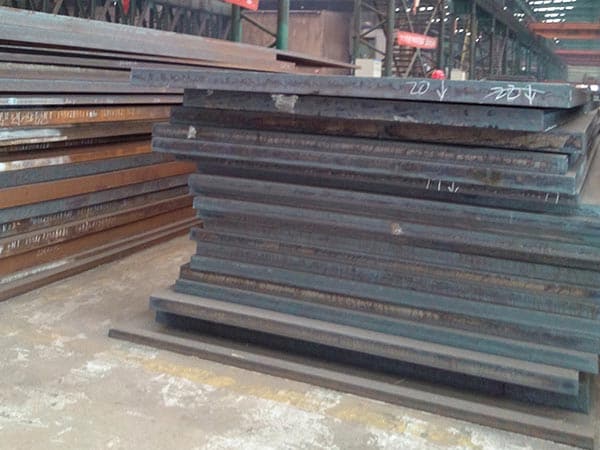
The Metallurgy of S460MC and its Response to Heat
S460MC, designated under the 1.0982 material number according to EN 10149-2, represents a high-yield-strength steel specifically designed for cold-forming operations. As a thermomechanically rolled (TMCP) steel, its strength is derived not just from its chemical composition but from a meticulously controlled rolling process that refines the grain structure. When dealing with the pickling variant of S460MC, the surface is free of mill scale, which significantly alters its thermal absorption characteristics during cutting processes. Understanding the metallurgical foundation of this steel is the first step in determining why preheating is a critical operational notice.
The micro-alloying elements in S460MC, such as Niobium (Nb), Vanadium (V), and Titanium (Ti), play a pivotal role in stabilizing the grain size. However, these elements also make the Heat Affected Zone (HAZ) sensitive to rapid cooling rates. During thermal cutting—whether using laser, plasma, or oxy-fuel—the localized temperature spikes far above the upper critical temperature (Ac3). Without proper preheating, the cold mass of the surrounding steel acts as a massive heat sink, causing a 'quench effect' that can lead to the formation of brittle martensite at the cut edge. This increases the risk of micro-cracking and reduces the ductility required for subsequent bending or welding.
Why Preheating is Essential for High-Strength Pickled Sheets
Preheating serves several technical functions that go beyond merely 'warming up' the metal. For S460MC 1.0982, the primary objective is to slow down the cooling rate (the t8/5 time) of the cut edge. By reducing the temperature gradient between the cutting point and the base material, preheating ensures a more uniform transformation of the microstructure. Crucially, for pickled steel sheets, preheating also serves to eliminate any residual moisture or hydrogen-containing compounds that might have been trapped in the microscopic pores of the surface during the pickling and oiling process.
Hydrogen-induced cracking (HIC) is a significant concern for steels with a yield strength of 460 MPa and above. When the cutting torch introduces heat, any moisture present dissociates into atomic hydrogen, which can then migrate into the hot, expanded lattice of the steel. As the steel cools and the lattice contracts, the hydrogen is trapped, creating internal pressure that leads to delayed cracking. Preheating the S460MC sheet to a specific range (typically 100°C to 150°C for thicker sections) ensures that moisture is evaporated and the thermal shock is minimized.
Chemical Composition and Carbon Equivalent Influence
The necessity for preheating is often calculated using the Carbon Equivalent Value (CEV). While S460MC is designed with low carbon content to enhance weldability and formability, its alloying profile must be respected. The following table outlines the typical chemical composition limits for S460MC (1.0982) according to EN 10149-2:
| Element | Maximum Content (%) |
|---|---|
| Carbon (C) | 0.12 |
| Manganese (Mn) | 1.60 |
| Silicon (Si) | 0.50 |
| Phosphorus (P) | 0.025 |
| Sulfur (S) | 0.015 |
| Aluminium (Al) | 0.015 (min) |
| Nb + V + Ti | 0.22 |
Even with a low CEV, the thickness of the plate is a determining factor. As the thickness increases, the volume of the heat sink increases, necessitating higher preheat temperatures to maintain the desired cooling curve. For S460MC sheets thinner than 6mm, preheating is often optional if the ambient temperature is above 15°C, but for thicknesses exceeding 10mm, it becomes a mandatory notice to ensure edge integrity.
Thermal Cutting Methods and Preheating Specifics
The choice of cutting technology significantly influences the preheating strategy for S460MC 1.0982 pickling steel. Each method delivers heat differently, impacting the width and hardness of the Heat Affected Zone.
- Laser Cutting: Because laser cutting is highly concentrated, the HAZ is extremely narrow. However, the cooling rate is exceptionally high. For pickled S460MC, the lack of scale means the laser energy is absorbed more consistently. Preheating is rarely used for thin laser-cut sheets but is recommended for plates over 12mm to prevent edge hardening.
- Plasma Cutting: This method introduces more heat into the plate than laser cutting. While it is faster, the risk of thermal distortion is higher. Preheating helps in achieving a smoother dross-free cut and reduces the residual stress levels across the S460MC sheet.
- Oxy-Fuel Cutting: This is the most heat-intensive method. Preheating is almost always required for S460MC when using flame cutting to prevent the edges from becoming too hard for subsequent machining or drilling.
Recommended Preheating Temperatures and Thickness Thresholds
To maintain the mechanical properties of S460MC—specifically its minimum yield strength of 460 MPa and its tensile strength of 520-670 MPa—the following preheating guidelines are generally recommended by metallurgical experts:
| Plate Thickness (mm) | Preheat Temperature (°C) | Soaking Time (min/mm) |
|---|---|---|
| < 8mm | Ambient (min 15°C) | N/A |
| 8mm - 15mm | 75°C - 100°C | 2 - 3 |
| 15mm - 25mm | 100°C - 150°C | 3 - 4 |
| > 25mm | 150°C - 200°C | 5 |
Note: The temperature should be measured on the opposite side of the heating source to ensure through-thickness heating. For pickled sheets, avoid using sulfur-based marking crayons as they can contaminate the cut edge during the heating process.
Operational Steps for Effective Preheating
Executing the preheating process requires precision. It is not enough to simply pass a flame over the surface. The following steps ensure the S460MC 1.0982 sheet is prepared correctly for cutting:
- Uniformity: Use a multi-flame burner or an induction heating system to ensure the heat is distributed evenly. Localized hot spots can cause warping, especially in pickled sheets which have lower surface emissivity.
- Monitoring: Utilize digital infrared thermometers or contact pyrometers. Temperature-indicating sticks (Tempilstiks) are useful but ensure they do not leave residues that could interfere with the pickling finish or future paint adhesion.
- Distance: The preheated zone should extend at least 75mm on either side of the intended cut line. This ensures that the entire thermal field of the cutting process is contained within the preheated area.
- Post-Heat Maintenance: In cold workshop environments, it may be necessary to maintain the heat during the entire cutting cycle. If the plate temperature drops below the target, cutting should be paused and the plate reheated.
Environmental and Storage Considerations
The condition of the S460MC pickling steel sheet before it even reaches the cutting table is vital. Because pickled steel lacks the protective layer of magnetite (scale), it is highly susceptible to flash rusting if exposed to humidity. Any rust or oxidation on the surface acts as an insulator and a source of oxygen during cutting, which can lead to erratic beam behavior in laser cutting or excessive slag in plasma cutting.
Preheating helps mitigate the effects of poor storage by driving off adsorbed moisture. However, the best practice is to keep S460MC sheets in a temperature-controlled environment and only bring them to the cutting area when ready for processing. If the steel has been stored in a cold warehouse, it should be allowed to acclimatize to the workshop temperature before preheating begins to avoid condensation 'sweating' on the surface.
Impact on Downstream Manufacturing and Service Life
Failure to follow preheating notices for S460MC 1.0982 can have cascading effects on the final product. In the automotive and heavy machinery industries, where S460MC is frequently used for chassis components, crane arms, and structural frames, the integrity of the cut edge is paramount. A hardened, non-preheated edge is a primary site for fatigue crack initiation.
When these components are subjected to cyclic loading, the micro-cracks formed during a 'cold' cut can propagate rapidly, leading to catastrophic structural failure. Furthermore, if the cut edge is too hard (exceeding 350-400 HV), it may require expensive grinding before it can be welded or painted. By investing in proper preheating, manufacturers reduce the need for secondary processing, lower tool wear during subsequent machining, and ensure that the S460MC material retains the high toughness and ductility that the EN 10149-2 standard promises.
Advanced Processing Tips for 1.0982 Steel Sheets
To maximize the efficiency of cutting S460MC, consider the synergy between preheating and gas selection. For plasma cutting, using an Oxygen/Air mix on preheated S460MC can produce a very clean edge with minimal nitriding. For laser cutting, Nitrogen is preferred for pickled sheets to maintain the bright, clean edge, though preheating becomes more critical as the thickness increases to compensate for the lack of exothermic reaction that Oxygen would provide.
Always verify the material test report (MTR) for the specific batch of S460MC. Small variations in the Manganese or Silicon content within the allowable range can shift the ideal preheat temperature by 10-20 degrees. Professional fabricators often establish a 'cutting procedure specification' (CPS) similar to a welding procedure (WPS) to standardize these variables for high-strength pickling steels.
Leave a message