
What is the s420mc steel properties price export to Kenya
Detailed analysis of S420MC steel properties, mechanical performance, processing capabilities, and price factors for the Kenyan export market.
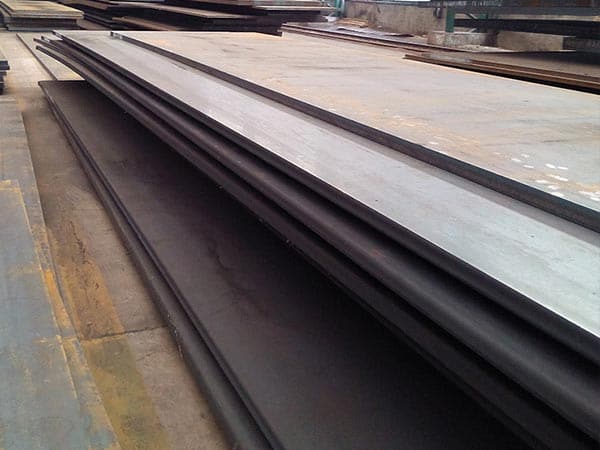
Understanding S420MC Steel: The Technical Foundation
S420MC steel represents a high-strength, low-alloy (HSLA) grade specifically engineered for cold forming applications. Governed by the EN 10149-2 standard, this material is produced through a thermomechanical rolling process. This specialized manufacturing technique refines the grain structure of the steel, allowing it to achieve a high yield strength while maintaining exceptional ductility. For industrial purchasers and engineers in Kenya, S420MC offers a strategic advantage by providing a higher strength-to-weight ratio compared to standard structural steels like S235 or S355.
The 'S' in its designation stands for structural steel, '420' indicates the minimum yield strength of 420 megapascals (MPa), and 'MC' signifies that the material is thermomechanically rolled (M) and intended for cold forming (C). This combination of properties makes it a preferred choice for sectors where weight reduction is critical without compromising structural integrity. As the Kenyan manufacturing sector evolves, the demand for such advanced materials has seen a significant uptick, particularly in the assembly of commercial vehicles and heavy-duty racking systems.
Chemical Composition and Metallurgical Excellence
The performance of S420MC is a direct result of its precise chemical makeup. Unlike traditional carbon steels, S420MC utilizes micro-alloying elements such as Niobium (Nb), Vanadium (V), and Titanium (Ti). These elements act as grain refiners and precipitation hardeners during the thermomechanical rolling process. By keeping the carbon content low, the steel maintains excellent weldability and toughness, even at lower temperatures.
| Element | Maximum Content (%) |
|---|---|
| Carbon (C) | 0.12 |
| Manganese (Mn) | 1.60 |
| Silicon (Si) | 0.50 |
| Phosphorus (P) | 0.025 |
| Sulfur (S) | 0.015 |
| Aluminum (Al) | 0.015 |
This low carbon equivalent (CEV) ensures that the steel can be welded using standard industrial methods without the need for extensive pre-heating, which is a significant cost-saving factor for fabrication shops in Nairobi and Mombasa. The controlled levels of sulfur and phosphorus also contribute to the material's internal cleanliness, reducing the risk of lamellar tearing and improving its performance in fatigue-sensitive applications.
Mechanical Properties and Structural Efficiency
The primary draw of S420MC is its mechanical performance. With a minimum yield strength of 420 MPa, it allows designers to use thinner sections of steel to carry the same loads as thicker, heavier sections of mild steel. This 'lightweighting' capability is essential for the Kenyan transport industry, where reducing the tare weight of trailers and truck bodies directly translates to higher payloads and improved fuel efficiency.
- Yield Strength: Minimum 420 MPa (for thicknesses ≤ 16mm).
- Tensile Strength: 480 to 620 MPa.
- Elongation: Minimum 16% to 19% depending on thickness, ensuring the material can withstand significant deformation before fracture.
- Impact Strength: While S420MC is primarily focused on strength and formability, it retains good notch toughness at temperatures common in the East African climate.
These properties are not just numbers on a mill test certificate; they represent the ability of a structure to withstand dynamic loads. For agricultural machinery manufacturers in the Rift Valley, using S420MC means equipment can be both lighter and more durable, resisting the stresses of uneven terrain and heavy usage.
Cold Forming and Fabrication Versatility
One of the most impressive attributes of S420MC is its cold forming capability. Despite its high strength, it can be bent, folded, and pressed into complex shapes. This is particularly beneficial for producing chassis components, crane arms, and structural profiles. When bending S420MC, it is vital to respect the minimum bending radius to prevent cracking. Typically, for a 90-degree bend, a radius of 1.0 to 1.5 times the material thickness is recommended, depending on the orientation of the bend relative to the rolling direction.
In the context of the Kenyan workshop environment, S420MC responds well to laser, plasma, and waterjet cutting. The consistency of the material's hardness across the plate ensures that cutting edges remain clean and precise. Furthermore, its excellent weldability allows for the use of MIG/MAG welding with standard filler metals, making it accessible for local fabricators who may not have specialized high-tech welding equipment but require high-performance results.
Environmental Suitability for the Kenyan Market
Kenya's geography presents diverse environmental challenges, from the humid, saline air of the coastal regions near Mombasa to the temperate highlands and the arid northern territories. S420MC, like most HSLA steels, requires appropriate surface protection to ensure longevity in these varied climates. While the steel itself has a fine grain structure that offers slightly better atmospheric corrosion resistance than basic carbon steel, it is standard practice to apply protective coatings.
For projects in the coastal belt, hot-dip galvanizing or high-performance epoxy coatings are recommended. S420MC is highly compatible with galvanizing processes, provided the silicon content is monitored (which is generally well-controlled in this grade). In the construction of solar mounting structures for Kenya's growing renewable energy sector, the combination of S420MC's strength and a robust galvanized coating provides a service life exceeding 25 years, even in harsh outdoor environments.
Price Factors and Export Dynamics to Kenya
The price of S420MC steel for the Kenyan market is influenced by a complex interplay of global and local factors. As an imported commodity, primarily sourced from major steel hubs in China, Europe, or India, the landed cost in Mombasa is subject to several variables. Understanding these can help Kenyan businesses optimize their procurement strategies.
1. Global Raw Material Costs: The price of iron ore, coking coal, and scrap metal fluctuates based on global demand. Since S420MC requires specialized thermomechanical processing, its base price is typically higher than standard s355jr plates.
2. Freight and Logistics: Shipping costs from major export ports to the Port of Mombasa are a significant component of the final price. Factors such as fuel surcharges, container availability, and regional stability (notably the Red Sea shipping routes) can cause rapid shifts in freight rates.
3. Import Duties and Taxes: Kenya, as a member of the East African Community (EAC), applies a Common External Tariff (CET) on steel products. Depending on the specific HS code and the current government policy aimed at protecting local industries, duties can range from 10% to 35%. Additionally, a 16% Value Added Tax (VAT) and the Railway Development Levy (RDL) must be factored into the total cost.
4. Exchange Rate Volatility: Since international steel trade is conducted in US Dollars, the strength of the Kenyan Shilling (KES) plays a crucial role. A weakening Shilling can significantly increase the cost of imported S420MC, even if the global price remains stable.
Optimizing Export Logistics to Mombasa
Exporting S420MC to Kenya requires meticulous documentation and adherence to quality standards. The Kenya Bureau of Standards (KEBS) mandates a Pre-Export Verification of Conformity (PVoC) for most steel products. This means the material must be inspected and certified by an authorized agency (such as SGS or Intertek) in the country of origin before shipment. A Certificate of Conformity (CoC) is essential for clearing goods through the Kenya Revenue Authority (KRA) at the port.
Packaging is another critical aspect. For S420MC coils or sheets, seaworthy packaging is mandatory to prevent moisture ingress and surface oxidation during the long sea voyage. This usually involves moisture-proof paper, steel strapping, and edge protectors. For inland transport from Mombasa to Nairobi or onward to neighboring countries like Uganda, ensuring the load is properly secured on flatbed trailers is vital to maintain the integrity of the high-strength plates.
Expanding Industry Applications in East Africa
The versatility of S420MC is driving its adoption across various sectors in Kenya. In the infrastructure space, it is being used for the fabrication of bridge components and heavy-duty formwork for large-scale concrete projects. The energy sector utilizes this grade for the structural frames of transformers and the supports for high-voltage transmission lines, where the high yield strength allows for taller, more resilient structures.
In the automotive assembly plants in Thika and Nairobi, S420MC is increasingly replacing traditional steels for bus frames and trailer chassis. By reducing the weight of these vehicles, operators can carry more cargo within the legal axle load limits enforced by the Kenya National Highways Authority (KeNHA). This shift not only improves the profitability of transport companies but also reduces the overall carbon footprint of the logistics sector in the region.
Furthermore, the burgeoning warehouse and logistics hub development around the Standard Gauge Railway (SGR) stations has created a demand for high-strength racking systems. S420MC allows for the construction of very high, high-load-bearing racks that maximize vertical space, a critical factor as land prices in industrial zones continue to rise.
Strategic Procurement of S420MC
For Kenyan enterprises looking to source S420MC, building relationships with reputable international suppliers who understand the specific requirements of the East African market is essential. It is not merely about finding the lowest price per ton; it is about ensuring consistent quality, accurate mill test certificates, and reliable delivery schedules. Working with suppliers who offer value-added services, such as precision cutting or decoiling to specific lengths, can further reduce local processing costs and waste.
As the
Leave a message