
Analysis of din en 10149-2 social inventory
Comprehensive analysis of DIN EN 10149-2 steel grades (S315MC to S700MC), covering mechanical properties, processing performance, and market social inventory dynamics for industrial applications.
Understanding the DIN EN 10149-2 Standard Framework
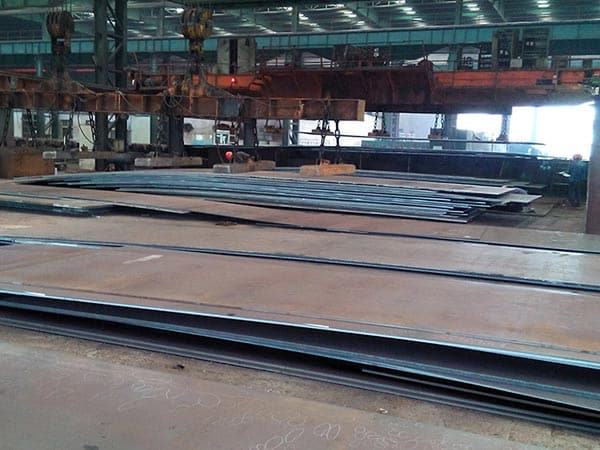
The DIN EN 10149-2 standard specifies the requirements for hot-rolled flat products made of high yield strength steels for cold forming. These steels are thermomechanically rolled, a process that combines controlled rolling and cooling to achieve a fine-grained microstructure. This metallurgical approach allows for high strength without the need for excessive alloying elements, maintaining excellent weldability and formability. The 'MC' designation within this standard signifies that the material is thermomechanically rolled (M) and suitable for cold forming (C). The social inventory of these materials—the stock held by distributors and traders—serves as a critical barometer for the health of the heavy machinery, automotive, and construction sectors.
Technical Attributes and Chemical Composition
The excellence of DIN EN 10149-2 steels lies in their low carbon content and micro-alloying strategy. By utilizing small amounts of Niobium (Nb), Vanadium (V), and Titanium (Ti), manufacturers create a precipitate-strengthened matrix that resists grain growth. This results in a material that is not only strong but also remarkably tough at low temperatures. Unlike traditional structural steels, the carbon equivalent (CEV) of grades like S700MC remains low, which is the primary reason for their superior weldability. This chemical balance ensures that the steel can withstand the rigors of high-stress environments while remaining easy to manipulate in a workshop setting.
Mechanical Properties Across the Grade Spectrum
The DIN EN 10149-2 series ranges from S315MC to S700MC, where the number indicates the minimum yield strength in Megapascals (MPa). As we move up the scale, the yield-to-tensile ratio changes, requiring more precise engineering calculations during the design phase. Below is a detailed comparison of the most common grades found in social inventory.
| Steel Grade | Min. Yield Strength (MPa) | Tensile Strength (MPa) | Min. Elongation (%) | Typical Applications |
|---|---|---|---|---|
| S315MC | 315 | 390-510 | 20-24 | Simple brackets, light frames |
| S355MC | 355 | 430-550 | 19-23 | Automotive chassis, cross members |
| S420MC | 420 | 480-620 | 16-19 | Truck frames, crane booms |
| S500MC | 500 | 550-700 | 12-14 | Lifting equipment, heavy trailers |
| S700MC | 700 | 750-950 | 10-12 | High-load structural components |
Social Inventory Dynamics: Market Availability and Trends
Social inventory levels of DIN EN 10149-2 steels are influenced by industrial demand cycles and global supply chain stability. Currently, grades like S355MC and S700MC dominate the inventory because they represent the most versatile options for weight reduction. When social inventory is high, it indicates a surplus in the market, often leading to price stabilization. Conversely, a drop in stock levels for S700MC usually signals a surge in heavy machinery production or infrastructure projects. Monitoring these levels allows procurement managers to hedge against price volatility and ensure that high-strength materials are available for just-in-time manufacturing processes.
Processing Performance: Bending and Welding
One of the standout features of DIN EN 10149-2 steels is their exceptional cold forming capability. Even the ultra-high-strength S700MC can be bent to tight radii without cracking, provided the grain direction is considered. For engineers, this means complex geometries can be achieved with fewer welds, reducing overall production costs. When it comes to welding, the low carbon content minimizes the risk of cold cracking in the heat-affected zone (HAZ). Standard welding processes such as MIG/MAG, TIG, and submerged arc welding are all compatible, though it is vital to control heat input to prevent softening of the thermomechanically treated structure.
Environmental Adaptability and Durability
Materials under the DIN EN 10149-2 standard are designed to perform in diverse environments. While they are not inherently corrosion-resistant like stainless steel, their fine-grained structure provides a better substrate for galvanizing and painting. Furthermore, their high toughness ensures that they do not become brittle in sub-zero temperatures, making them ideal for equipment used in arctic mining or high-altitude construction. The longevity of these steels contributes to a lower total cost of ownership for end-users, as components require less frequent replacement due to fatigue or impact damage.
Industry Application Expansion
The push for lightweighting has expanded the use of DIN EN 10149-2 steels into new territories. In the commercial vehicle industry, replacing traditional s355jr with S700MC allows for a significant reduction in plate thickness without sacrificing structural integrity. This leads to lighter vehicles, higher payloads, and lower fuel consumption. Similarly, in the renewable energy sector, these steels are used for the structural components of solar tracking systems and wind turbine internal structures, where high strength-to-weight ratios are paramount for efficient installation and operation.
Optimizing Procurement through Social Inventory Analysis
Strategic sourcing of DIN EN 10149-2 materials requires a deep understanding of the regional social inventory. For instance, European markets often maintain higher stocks of S420MC due to local automotive standards, while Asian markets might see a higher concentration of S700MC for heavy export machinery. By analyzing these inventory patterns, businesses can identify the most cost-effective regions for sourcing and avoid the long lead times associated with mill-direct orders. Utilizing local stockists who specialize in high-yield steels ensures that material certifications and quality control standards are met, providing peace of mind for critical engineering projects.
The Role of Micro-Alloying in Sustainability
Sustainability in the steel industry is often linked to the ability to do more with less. DIN EN 10149-2 steels embody this principle. The thermomechanical rolling process is more energy-efficient than traditional quench-and-temper cycles. Additionally, because these steels allow for thinner sections, the total mass of steel required for a project is reduced, directly lowering the carbon footprint associated with material extraction and transport. As global regulations on CO2 emissions tighten, the transition from standard structural steels to high-strength DIN EN 10149-2 grades is becoming a necessity rather than an option.
Critical Considerations for Material Selection
When selecting a grade from the DIN EN 10149-2 social inventory, engineers must look beyond simple yield strength. Fatigue life, impact energy requirements (often specified at -20°C or -40°C), and the specific bending radius of the fabrication equipment must all be evaluated. It is also essential to verify the material's surface quality, as thermomechanically rolled steels can have different scale characteristics compared to normalized steels. Working closely with reputable suppliers who provide full traceability and EN 10204 3.1 certification is the best way to ensure that the material performs as expected in the most demanding applications.
Leave a message