
grade 500 steel properties cutting is widely used in mechanical manufacturing
A comprehensive guide to Grade 500 steel properties, mechanical performance, and advanced cutting techniques for high-precision mechanical manufacturing.
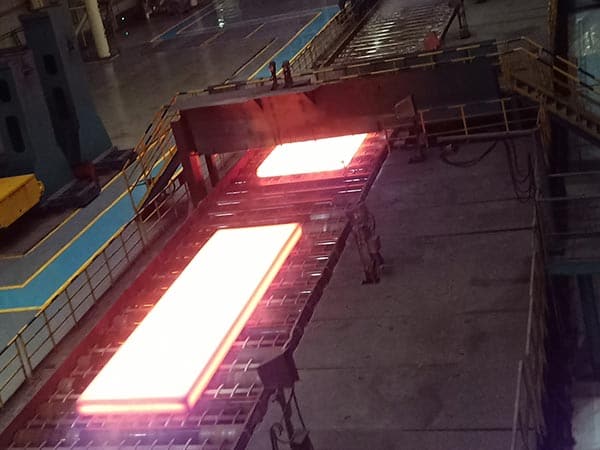
The Technical Foundation of Grade 500 Steel in Modern Engineering
Grade 500 steel represents a significant leap in metallurgical engineering, providing a balance between extreme yield strength and sufficient ductility for complex mechanical manufacturing. This material, often classified under various international standards such as ASTM, EN, or specialized proprietary grades like Hardox 500 or S500MC, is engineered to withstand high stress environments where traditional structural steels would fail. The "500" designation typically refers to its minimum yield strength of 500 MPa or its Brinell hardness value, depending on the specific standard applied. In the context of mechanical manufacturing, this steel is prized for its ability to reduce the overall weight of structures without compromising safety or structural integrity.
The microstructural composition of Grade 500 steel is the result of precise alloying and controlled cooling processes. By incorporating elements such as manganese, chromium, molybdenum, and nickel, manufacturers can achieve a fine-grained structure that resists crack propagation and fatigue. The use of thermomechanical rolling or quenching and tempering processes ensures that the material maintains a uniform hardness throughout its cross-section, which is critical for components subjected to high-frequency vibrations or heavy impact loads.
Chemical Composition and Its Influence on Performance
The performance of Grade 500 steel is dictated by its chemical makeup. Unlike standard mild steels, Grade 500 utilizes micro-alloying techniques to enhance its physical characteristics. The following table outlines the typical chemical composition ranges for a standard high-strength Grade 500 structural steel:
| Element | Typical Percentage (%) | Primary Function |
|---|---|---|
| Carbon (C) | 0.12 - 0.20 | Increases hardness and tensile strength |
| Manganese (Mn) | 1.20 - 1.60 | Improves toughness and hardenability |
| Silicon (Si) | 0.20 - 0.50 | Deoxidizer, enhances strength |
| Chromium (Cr) | 0.30 - 0.80 | Increases corrosion resistance and hardness |
| Molybdenum (Mo) | 0.10 - 0.50 | Enhances high-temperature strength |
| Boron (B) | 0.001 - 0.005 | Significantly improves hardenability |
Low carbon content is essential for maintaining weldability, a key requirement in mechanical manufacturing. By keeping carbon levels relatively low and relying on elements like Boron and Manganese for strength, Grade 500 steel avoids the brittleness often associated with high-carbon materials. This allows for the fabrication of complex geometries that can endure both static and dynamic loads.
Mechanical Properties and Structural Integrity
The mechanical properties of Grade 500 steel are what set it apart in heavy-duty applications. Its high yield strength allows engineers to design thinner sections, which reduces the dead weight of machinery. This is particularly beneficial in mobile equipment like cranes, truck chassis, and mining excavators where weight savings translate directly into fuel efficiency and increased payload capacity.
- Yield Strength: Minimum 500 MPa, ensuring the material returns to its original shape after loading.
- Tensile Strength: Typically ranges from 550 to 700 MPa, providing a high safety margin against catastrophic failure.
- Elongation: Usually between 12% and 18%, allowing for a degree of plastic deformation before fracture.
- Impact Toughness: High Charpy V-notch values even at sub-zero temperatures (e.g., -40°C), making it suitable for arctic or high-altitude environments.
These properties are not just numbers on a datasheet; they represent the material's ability to survive in the real world. For instance, the high fatigue resistance of Grade 500 steel ensures that components like hydraulic cylinder mounts or heavy-duty gearboxes can operate for thousands of cycles without developing stress cracks.
Advanced Cutting Techniques for Grade 500 Steel
Cutting Grade 500 steel requires specialized knowledge and equipment due to its hardness and strength. Standard oxy-fuel cutting, while possible, often leaves a wide heat-affected zone (HAZ) that can degrade the mechanical properties of the edge. Modern mechanical manufacturing relies on more precise methods to maintain the integrity of the steel.
Laser Cutting: Fiber laser technology is highly effective for Grade 500 steel up to certain thicknesses. The concentrated heat source results in a very narrow HAZ and a clean edge finish. However, because Grade 500 is denser and more resistant to thermal penetration than mild steel, cutting speeds must be carefully calibrated. High-pressure nitrogen is often used as an assist gas to prevent oxidation and ensure a weld-ready edge.
Plasma Cutting: For thicker plates of Grade 500 steel, high-definition plasma cutting is the preferred method. It offers a balance between speed and precision. To minimize the hardening of the cut edge—which can make subsequent machining difficult—underwater plasma cutting is sometimes employed. This rapidly cools the material, limiting the depth of the HAZ.
Waterjet Cutting: When the preservation of the original microstructure is paramount, abrasive waterjet cutting is the ideal choice. Since it is a cold cutting process, there is no thermal distortion or change in hardness at the edge. This is critical for components that will undergo high-stress fatigue loading, as it eliminates the risk of micro-cracking associated with thermal cutting.
Machining Challenges and Tooling Strategies
Machining Grade 500 steel—including drilling, milling, and tapping—presents challenges due to the material's tendency to work-harden. Standard High-Speed Steel (HSS) tools are often inadequate, as the high surface hardness of the steel will quickly dull the cutting edges. Successful machining requires a strategic approach to tooling and parameters.
Carbide-tipped tools with advanced coatings like TiAlN (Titanium Aluminum Nitride) are necessary to withstand the heat generated during the cutting process. The tool geometry should be designed to facilitate chip evacuation and reduce friction. Low cutting speeds combined with high feed rates are generally recommended to ensure the tool stays beneath the work-hardened layer created by the previous pass. Furthermore, the use of high-pressure coolant systems is vital to keep the tool-tip temperature stable and extend tool life.
Environmental Adaptability and Corrosion Resistance
In mechanical manufacturing, equipment is often exposed to harsh environments, from corrosive marine atmospheres to abrasive mining sites. Grade 500 steel exhibits better atmospheric corrosion resistance than standard carbon steels due to its alloying elements like Chromium and Nickel. These elements form a stable oxide layer that slows down the oxidation process.
Moreover, the material's performance at low temperatures is a critical factor for global machinery manufacturers. Grade 500 steel maintains its toughness at temperatures where other steels become brittle. This "low-temperature ductility" prevents sudden fractures in equipment operating in cold climates, such as oil rigs in the North Sea or forestry equipment in Siberia. The ability to resist hydrogen-induced cracking is another environmental advantage, particularly in applications involving high-pressure fluids or chemical exposure.
Industrial Application Expansion
The versatility of Grade 500 steel has led to its adoption across a wide range of sophisticated industries. In the automotive sector, it is used for safety-critical components like bumper beams and side-impact protection bars. The high energy absorption capacity of the steel allows it to protect passengers by deforming in a controlled manner during a collision.
In the renewable energy sector, Grade 500 steel is used in the construction of wind turbine towers and solar tracking systems. These structures must withstand constant wind loads and environmental stressors for decades. The high strength-to-weight ratio of Grade 500 allows for taller towers and larger spans, directly contributing to the efficiency of energy production. Additionally, the mining industry utilizes Grade 500 for liners, buckets, and crushers where its wear resistance significantly extends the service life of the equipment, reducing downtime and maintenance costs.
The integration of Grade 500 steel into mechanical manufacturing workflows requires a holistic understanding of its properties. From the initial design phase to the final assembly, every step must account for the material's unique behavior. By mastering the cutting, welding, and machining of this high-performance steel, manufacturers can produce machinery that is lighter, stronger, and more durable than ever before, meeting the rigorous demands of the modern industrial landscape.
Leave a message