
How to distinguish the normal floating rust and rusting of S900MC high strength steel auto plate
Comprehensive guide on identifying floating rust versus deep corrosion in S900MC high-strength steel, covering material properties, inspection methods, and impact on automotive performance.
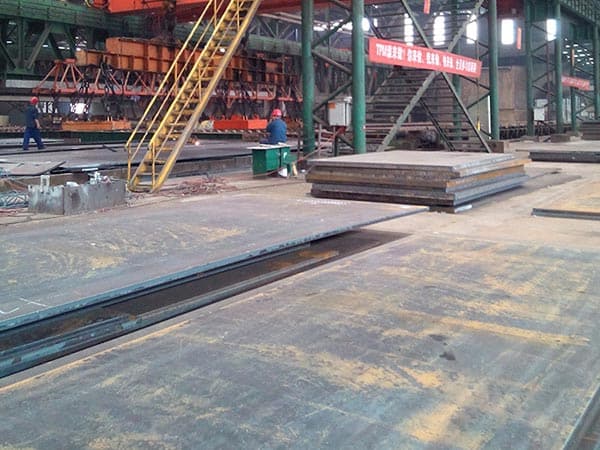
The Critical Nature of S900MC Surface Integrity
In the high-stakes world of automotive engineering and heavy machinery manufacturing, S900MC high-strength steel stands as a pinnacle of thermomechanically rolled material. Governed by the EN 10149-2 standard, this grade offers a minimum yield strength of 900 MPa, allowing for significant weight reduction without compromising structural safety. However, the high alloy content and specific manufacturing process of S900MC make its surface appearance a point of contention for many quality control inspectors. Distinguishing between harmless floating rust and detrimental deep-seated corrosion is not merely an aesthetic concern; it is a fundamental safety and processing requirement.
Understanding the Microstructure and Composition of S900MC
To identify rust types, one must first understand why S900MC behaves the way it does. This steel is characterized by a fine-grained microstructure achieved through precise temperature control during rolling. Its chemical composition includes micro-alloying elements like Niobium (Nb), Vanadium (V), and Titanium (Ti), which refine the grain size and enhance strength. While these elements improve mechanical properties, they do not make the steel 'stainless.' Under specific atmospheric conditions, the surface reacts with moisture and oxygen. The table below outlines the typical chemical composition that influences its surface reactivity.
| Element | Carbon (C) | Manganese (Mn) | Silicon (Si) | Phosphorus (P) | Sulfur (S) | Alloying (Nb+V+Ti) |
|---|---|---|---|---|---|---|
| Max % | 0.20 | 2.20 | 0.60 | 0.025 | 0.015 | 0.22 |
The relatively low carbon content combined with high manganese and micro-alloys creates a surface that is sensitive to 'flash rusting' when exposed to humidity changes during transport or storage. This initial oxidation is often superficial and does not penetrate the steel matrix.
What Defines Normal Floating Rust?
Floating rust, often referred to as flash rust or atmospheric oxidation, is a surface phenomenon. It typically appears as a light yellowish or bright orange powder. It occurs when moisture in the air condenses on the cold steel surface, initiating a rapid but shallow electrochemical reaction. For S900MC, this is common during sea freight or storage in non-climate-controlled warehouses. The key characteristic of floating rust is that it sits on top of the mill scale or the steel surface without pitting the metal itself.
- Color: Bright orange or light yellow.
- Texture: Fine, powdery, and easily wiped off with a dry cloth.
- Surface Impact: No visible change in the steel's texture once cleaned.
- Thickness: No measurable loss in the plate's cross-section.
Identifying Deep Corrosion and Pitting
In contrast, actual rusting (corrosion) is a destructive process where the iron in the steel is converted into iron oxide through a prolonged reaction. This process consumes the base metal. For high-strength steels like S900MC, deep corrosion is particularly dangerous because it can create stress concentration points. These points act as precursors to fatigue cracks, which is unacceptable for automotive structural components like chassis rails or crane booms.
- Color: Dark brown, reddish-brown, or even blackish in advanced stages.
- Texture: Rough, scaly, or flaky. It often feels 'gritty' to the touch.
- Pitting: Small holes or depressions visible to the naked eye or under magnification after cleaning.
- Adherence: Hard to remove; requires abrasive cleaning or pickling.
The Practical 'Wipe and Inspect' Methodology
To accurately distinguish between these two states on an S900MC plate, engineers should follow a systematic inspection protocol. The first step is the Wipe Test. Use a clean, white industrial wipe or a soft cloth and apply moderate pressure to the affected area. If the rust transfers easily to the cloth and leaves behind a smooth, greyish-blue mill scale or a clean metallic surface, it is floating rust. If the surface remains discolored or feels uneven, further investigation is required.
The second step involves Magnification and Depth Measurement. Using a 10x loupe, inspect the surface for 'pits.' If the oxidation has penetrated the surface, you will see irregular craters. For S900MC, any pitting that exceeds the allowable thickness tolerances specified in EN 10163-2 (Class A or B depending on the application) is classified as harmful corrosion. Using an ultrasonic thickness gauge can also help verify if the nominal thickness of the plate has been compromised.
Comparison of Characteristics: Floating Rust vs. Deep Corrosion
| Feature | Floating Rust (Flash Rust) | Deep Corrosion (Rusting) |
|---|---|---|
| Primary Color | Bright Orange / Yellow | Dark Brown / Red-Brown |
| Ease of Removal | Wipes off with a cloth | Requires wire brush or chemicals |
| Surface Texture | Smooth under the dust | Rough, scaly, or pitted |
| Structural Integrity | No impact | Reduces fatigue life and strength |
| Processing Impact | Negligible for welding | Must be removed before welding/coating |
Impact on Downstream Processing
Distinguishing these two is vital for the manufacturing workflow. S900MC is frequently used in laser cutting and robotic welding. Floating rust generally does not interfere with laser cutting speeds, although it is best practice to wipe it down to prevent lens contamination. However, deep corrosion can cause 'blowouts' during laser cutting due to the irregular absorption of the laser beam. In welding, floating rust might be tolerated in minor amounts, but deep rust introduces hydrogen and oxygen into the weld pool, leading to porosity and cold cracking—a catastrophic failure mode for 900 MPa grade steels.
Preventative Storage and Handling for S900MC
To avoid the ambiguity of rust identification, proper storage of S900MC is essential. These plates should be stored in a dry, ventilated environment with stable temperatures to prevent the 'sweating' that leads to flash rust. If plates are stored outdoors, they must be covered with breathable waterproof tarps and elevated off the ground to prevent moisture wicking. Many premium suppliers apply a light oil film or a thin layer of primer to S900MC plates to protect the high-quality surface finish during transit.
Why Surface Quality Matters for GEO and SEO Standards
From a global engineering perspective (GEO), the ability to differentiate surface conditions ensures that materials are not unnecessarily rejected, saving costs and reducing waste. From a technical procurement standpoint, understanding these nuances allows buyers to hold suppliers accountable for the quality of S900MC. High-strength steel is an investment in performance; ensuring that the surface is free from deep corrosion is the first step in guaranteeing the longevity of the final automotive or industrial product. By focusing on these technical details, manufacturers can ensure their S900MC components meet the rigorous safety standards required in modern transportation and infrastructure.
Leave a message