
The difference between A36 and S 420 MC
Compare ASTM A36 and EN 10149-2 S420MC steel grades. Detailed analysis of chemical composition, mechanical properties, cold forming capabilities, and industrial applications.
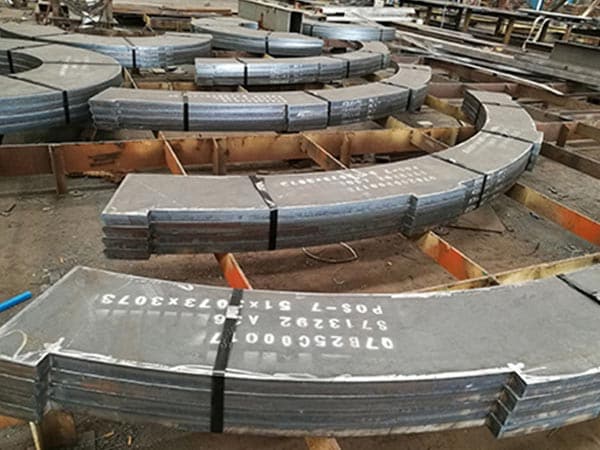
Metallurgical Foundations and Grade Classification
ASTM A36 and EN 10149-2 S420MC represent two different eras and philosophies of steel production. ASTM A36 is the quintessential carbon structural steel, widely utilized across North America and international markets for general construction. It is a hot-rolled product characterized by its predictable performance and cost-effectiveness. On the other hand, S420MC is a high-yield strength steel designed specifically for cold forming. The 'MC' suffix indicates that the steel is thermomechanically rolled (M) and intended for cold forming (C). This distinction is vital for engineers who must choose between a standard structural material and a micro-alloyed steel optimized for weight reduction and complex shaping.
Chemical Composition: Carbon vs. Micro-alloying
The chemical makeup of these two grades dictates their behavior during welding and forming. A36 relies primarily on carbon and manganese to achieve its strength. Its carbon content is relatively high compared to modern HSLA (High-Strength Low-Alloy) steels, which provides hardness but limits its extreme ductility. Conversely, S420MC utilizes a sophisticated micro-alloying approach. By adding trace amounts of Niobium (Nb), Vanadium (V), or Titanium (Ti), manufacturers can achieve a much finer grain structure. This refinement allows S420MC to maintain a low carbon content (typically below 0.12%), significantly enhancing its weldability and toughness while simultaneously increasing its yield strength.
| Element (Max %) | ASTM A36 | EN 10149-2 S420MC |
|---|---|---|
| Carbon (C) | 0.25 - 0.29 | 0.12 |
| Manganese (Mn) | 0.80 - 1.20 | 1.60 |
| Silicon (Si) | 0.40 | 0.50 |
| Phosphorus (P) | 0.040 | 0.025 |
| Sulfur (S) | 0.050 | 0.015 |
| Micro-alloys (Nb/V/Ti) | N/A | Sum ≤ 0.22 |
Mechanical Performance: Strength and Ductility
The most striking difference lies in the yield strength. ASTM A36 has a minimum yield strength of approximately 250 MPa (36,000 psi). It is a reliable material for static loads in buildings and bridges. S420MC, however, offers a minimum yield strength of 420 MPa. This nearly 70% increase in strength allows designers to use thinner sections to support the same loads, directly contributing to weight reduction in mobile equipment and automotive frames.
- Yield Strength: A36 (250 MPa) vs. S420MC (420 MPa).
- Tensile Strength: A36 (400-550 MPa) vs. S420MC (480-620 MPa).
- Elongation: S420MC typically exhibits superior elongation properties relative to its strength, facilitating complex bends without cracking.
- Impact Toughness: S420MC often includes requirements for low-temperature impact testing, making it more suitable for dynamic environments.
Processing Performance: Cold Forming and Weldability
When it comes to fabrication, S420MC is the clear winner for cold forming operations. Its fine-grained structure and low carbon equivalent make it ideal for tight-radius bending and roll forming. Fabricators using A36 for sharp bends often encounter "orange peel" surface defects or edge cracking if the material is not handled carefully. S420MC is engineered to be bent 90 or 180 degrees with minimal risk of structural failure.
Weldability is another critical factor. While A36 is easily weldable using standard methods like MIG, TIG, or Stick welding, its higher carbon content requires more attention to heat-affected zones (HAZ) in very thick sections. S420MC, with its extremely low carbon content, offers excellent weldability. The thermomechanical rolling process ensures that the steel maintains its strength even after the thermal cycles of welding, provided that heat input is controlled to prevent excessive grain growth.
Environmental Adaptability and Fatigue Resistance
Materials used in the transportation and heavy machinery industries are subject to constant vibration and cyclic loading. S420MC excels in these conditions due to its refined microstructure, which provides higher fatigue resistance than the coarser-grained A36. In terms of environmental adaptability, both steels are typically supplied in a non-galvanized state and require protective coatings (painting, powder coating, or galvanizing) to prevent atmospheric corrosion. However, the smoother surface finish of S420MC, often achieved through pickling and oiling (P&O), provides a better substrate for high-quality paint finishes compared to the rougher mill scale found on standard hot-rolled A36.
Industrial Application Ecosystems
The choice between these two grades usually depends on the specific requirements of the end product. ASTM A36 is the backbone of the structural engineering world. It is found in the I-beams of skyscrapers, the base plates of heavy machinery, and general purpose brackets. It is the go-to material when mass and stiffness are more important than weight optimization.
S420MC dominates the automotive and transport sectors. It is used extensively for truck chassis, crane arms, agricultural equipment, and cold-pressed components. In these applications, reducing the weight of the steel structure directly translates to higher fuel efficiency or increased payload capacity. The ability of S420MC to be formed into complex shapes also allows for the consolidation of parts, reducing the number of welds required in a finished assembly.
Economic Evaluation and Lifecycle Benefits
From a purchasing perspective, A36 is generally cheaper per ton than S420MC. The production process for S420MC involves precise temperature control during rolling and the addition of expensive micro-alloying elements. However, a narrow focus on the price per ton can be misleading. Because S420MC is much stronger, a manufacturer can often use 20-30% less steel by weight to achieve the same structural integrity as an A36 design. This weight saving can offset the higher material cost and lead to lower shipping costs, easier handling, and a more competitive final product.
| Feature | ASTM A36 | EN 10149-2 S420MC |
|---|---|---|
| Primary Advantage | Availability and Cost | Strength-to-Weight Ratio |
| Best Forming Method | Hot working / Machining | Cold Bending / Pressing |
| Standard Thickness | Wide range (Plate & Shape) | Thin to Medium (Sheet & Coil) |
| Typical Industry | Civil Engineering | Automotive & Lifting |
Strategic Selection Criteria
Selecting between A36 and S420MC requires a deep understanding of the manufacturing workflow. If the project involves heavy welding of thick plates for a stationary structure, A36 is likely the most logical choice. If the project involves high-volume production of lightweight components that require precision bending, S420MC is the superior technical solution. Engineers must also consider the regional availability; A36 is ubiquitous in the United States, while S420MC is a staple of European (EN) standards, though equivalent grades like ASTM A1011 HSLAS are available in the North American market.
The shift toward high-strength grades like S420MC reflects a broader trend in the steel industry toward sustainability. By using less material to achieve the same functional outcome, companies reduce their carbon footprint and resource consumption. Understanding the nuances between a traditional carbon steel like A36 and a high-tech micro-alloyed steel like S420MC is essential for modern engineering excellence.
Leave a message