
What are the differences between black and painted BS700MC steel for car parts
A comprehensive technical comparison between black (as-rolled) and painted BS700MC high-strength steel for automotive applications, focusing on mechanical performance, corrosion resistance, and processing efficiency.
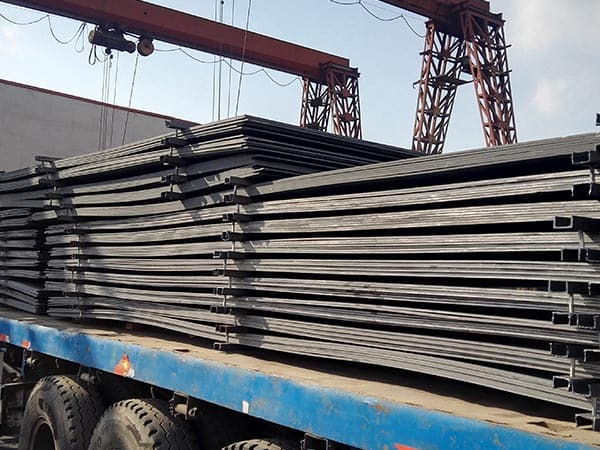
The Metallurgical Foundation of BS700MC High-Strength Steel
BS700MC is a high-strength low-alloy (HSLA) steel produced through Thermomechanically Controlled Processing (TMCP). This material is engineered to meet the rigorous demands of the modern automotive industry, where reducing vehicle weight without compromising structural integrity is paramount. The "700" denotes a minimum yield strength of 700 MPa, achieved through a precise balance of micro-alloying elements such as Niobium (Nb), Vanadium (V), and Titanium (Ti). These elements facilitate grain refinement and precipitation hardening, resulting in a fine-grained ferritic-bainitic microstructure. When discussing the differences between "black" and "painted" BS700MC, we are essentially comparing the surface condition and its subsequent impact on the manufacturing lifecycle of car parts.
Black BS700MC: Characteristics of the As-Rolled Surface
Black BS700MC refers to the steel in its hot-rolled, non-pickled state. The term "black" comes from the dark layer of iron oxide, or mill scale, that forms on the surface during the cooling process after hot rolling. This mill scale consists of three layers: hematite (Fe2O3), magnetite (Fe3O4), and wüstite (FeO). While this layer provides a very basic level of protection against atmospheric corrosion during transit, it is inherently brittle and non-uniform. For automotive manufacturers, black BS700MC represents the most cost-effective entry point in terms of raw material price. However, the presence of mill scale introduces specific challenges in secondary processing. For instance, laser cutting black BS700MC requires specialized parameters because the oxide layer can affect the absorption of the laser beam, potentially leading to dross formation or inconsistent cut edges.
Painted BS700MC: Pre-treated for Performance
Painted BS700MC is typically steel that has undergone a pickling process to remove the mill scale, followed by the application of a protective coating. In the automotive supply chain, this often refers to steel that has been primed or subjected to Cathodic Electrodeposition (KTL/E-coat). The painting process is not merely aesthetic; it is a critical functional upgrade. By removing the unstable mill scale and replacing it with a controlled polymer or metallic-rich coating, the steel gains a uniform surface energy. This makes it ideal for precision welding and high-speed automated assembly. Painted BS700MC is often selected for components that will be exposed to the elements or for manufacturers looking to bypass the intensive cleaning and pickling stages within their own facilities.
Mechanical Property Stability Across Surface Types
A common question among automotive engineers is whether the painting process alters the mechanical properties of BS700MC. Because BS700MC relies on the TMCP process for its strength, it is sensitive to high-temperature excursions. Standard automotive painting processes, such as E-coating, typically involve curing temperatures between 150°C and 200°C. These temperatures are well below the critical transformation temperatures of the HSLA microstructure, meaning the yield strength, tensile strength, and elongation remain virtually unchanged. Both black and painted BS700MC maintain a tensile strength range of 750 to 950 MPa and an elongation of at least 12%, ensuring that the energy absorption capabilities required for crash-relevant parts are preserved.
| Feature | Black BS700MC (As-Rolled) | Painted/Coated BS700MC |
|---|---|---|
| Surface Condition | Mill scale (Iron Oxide) | Pickled + Primer/E-coat |
| Corrosion Resistance | Low (prone to flash rust) | High (Salt spray resistant) |
| Welding Preparation | Requires scale removal at joints | Ready for welding (if weldable primer) |
| Laser Cutting Quality | Variable due to oxide interference | High precision and consistency |
| Adhesion for Final Paint | Poor without intensive cleaning | Excellent (acting as a base layer) |
| Initial Material Cost | Lower | Higher |
Environmental Adaptability and Corrosion Resistance
The primary differentiator in environmental adaptability is the material's reaction to moisture and salt. Black BS700MC is highly susceptible to galvanic corrosion once the mill scale is breached. In automotive applications like truck chassis or longitudinal beams, using black steel without post-processing would lead to rapid structural degradation. Painted BS700MC, especially when treated with a zinc-rich primer or E-coat, provides a barrier that prevents oxygen and electrolytes from reaching the steel substrate. This is essential for meeting the 10-to-15-year perforation warranties standard in the modern automotive market. Furthermore, the painted surface prevents "under-film" corrosion, which can occur if paint is applied directly over poorly cleaned black steel.
Processing Performance: Bending and Welding
BS700MC is renowned for its cold-forming properties. Both black and painted versions can achieve tight bending radii (typically 1.0 to 1.5 times the thickness). However, the friction coefficient differs significantly. Black steel's mill scale can act as an abrasive, increasing wear on forming dies. Conversely, the smoother, lubricated surface of painted or pre-coated steel can facilitate easier flow into the die, reducing the risk of surface cracking during complex forming operations. In terms of welding, black steel requires the removal of the oxide layer to prevent inclusions and porosity in the weld pool. Painted steel, if using a weld-through primer, allows for direct robotic welding, significantly increasing throughput in high-volume production lines.
Application Industry Expansion
While the focus is often on passenger cars, the choice between black and painted BS700MC extends to heavy transport and specialized machinery. For heavy-duty truck frames, black BS700MC is often used because the entire frame is shot-blasted and painted after assembly. In contrast, for smaller, intricate car parts like seat rails, bumper reinforcements, and cross members, painted or pre-pickled BS700MC is preferred to ensure dimensional accuracy and long-term durability. The move toward "Green Steel" also favors the painted/pre-treated route, as it allows for more efficient closed-loop recycling and reduces the chemical waste associated with decentralized pickling operations.
Economic Impact of Material Selection
Choosing between these two states of BS700MC requires a Total Cost of Ownership (TCO) analysis. While black steel has a lower purchase price per ton, the hidden costs include shot-blasting, chemical cleaning, increased tool wear, and higher scrap rates due to surface defects. Painted BS700MC shifts the cost to the front end but eliminates multiple downstream processes, reduces lead times, and ensures a higher quality final product. For high-performance automotive parts, the reliability of the painted surface often outweighs the initial savings of black steel, particularly when considering the stringent safety and longevity requirements of the global automotive sector.
Leave a message