
What is the rate of S960MC steel for construction machinery per ton in Singapore
Discover the current market rates for S960MC steel in Singapore. This comprehensive guide covers technical specifications, mechanical properties, and processing advantages for construction machinery.
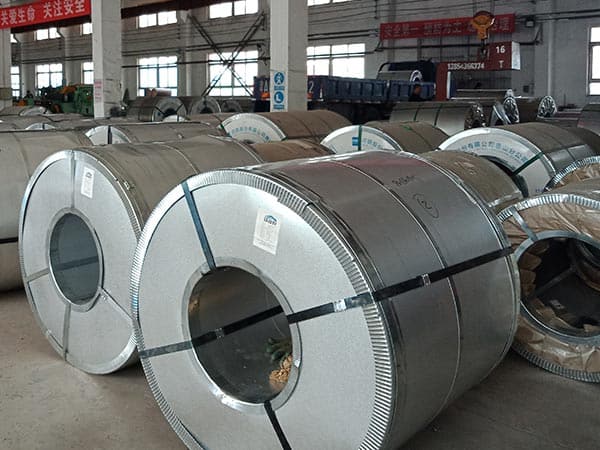
Market Dynamics of S960MC Steel Pricing in Singapore
Navigating the procurement landscape for high-strength structural steel requires a deep understanding of both local market conditions and global supply chain fluctuations. In Singapore, the rate for S960MC steel per ton typically ranges between USD 1,150 and USD 1,650, depending on the origin, thickness, and current freight costs. As a major logistics hub in Southeast Asia, Singapore's pricing is heavily influenced by the Building and Construction Authority (BCA) certifications and the specific requirements of regional infrastructure projects.
Several factors dictate the final quotation for S960MC. Origin and Brand: Premium European mills like SSAB (Strenx) or Thyssenkrupp often command a higher price point due to their long-standing reputation for consistency. Conversely, high-quality Chinese mills such as Baosteel or Wuyang provide competitive alternatives that meet EN 10149-2 standards. Thickness and Dimensions: Thinner gauges (3mm to 6mm) often involve more complex rolling processes, which can increase the price per ton compared to medium-thickness plates. Logistics and Storage: Since Singapore relies on imports, port handling fees at Jurong Port and warehousing costs in industrial zones like Tuas play a significant role in the localized rate.
Technical Profile: Why S960MC is the Choice for Heavy Machinery
S960MC is a thermomechanically rolled, ultra-high-strength steel designed for cold forming. The 'S' denotes structural steel, '960' represents the minimum yield strength in Megapascals (MPa), and 'MC' indicates its suitability for cold forming and its thermomechanical rolling process. This material is engineered to provide an exceptional strength-to-weight ratio, allowing engineers to design lighter yet stronger components for construction machinery.
The metallurgical secret behind S960MC lies in its micro-alloying elements. By adding precise amounts of Niobium (Nb), Vanadium (V), and Titanium (Ti), manufacturers achieve a fine-grained microstructure. This results in superior toughness and weldability compared to traditional quenched and tempered steels. In the humid and saline environment of Singapore, the purity of the steel and its low carbon equivalent (Cev) are critical for preventing hydrogen-induced cracking during fabrication.
Mechanical Properties and Performance Standards
Understanding the mechanical limits of S960MC is vital for safety and performance in heavy-duty applications. Below is a detailed breakdown of the typical mechanical properties according to EN 10149-2 standards:
| Property | Value (Typical) | Standard Requirement |
|---|---|---|
| Yield Strength (ReH) | 960 MPa min. | EN 10149-2 |
| Tensile Strength (Rm) | 980 - 1250 MPa | EN 10149-2 |
| Elongation (A50) | 7% - 10% | Thickness dependent |
| Impact Energy (Charpy-V) | 27J at -20°C / -40°C | Optional / Grade dependent |
The high yield strength allows for a significant reduction in plate thickness without compromising structural integrity. For instance, replacing S355 steel with S960MC can reduce the weight of a crane boom by up to 50%, directly translating to lower fuel consumption and higher lifting capacities for the end-user.
Advanced Processing and Fabrication Guidelines
Working with S960MC requires specialized knowledge to maintain its high-strength properties. Welding: Due to its low carbon content, S960MC exhibits excellent weldability. However, the heat-affected zone (HAZ) can experience a slight drop in hardness if the heat input is too high. It is recommended to use low heat input techniques such as MAG (Metal Active Gas) welding with appropriate high-strength filler metals. Preheating is generally not required for thinner sections, which reduces fabrication time and energy costs.
Cold Forming: Despite its immense strength, S960MC is designed for bending. Fabricators must adhere to the minimum bending radius to avoid surface cracking. Typically, the bending radius for S960MC is larger than that of lower-strength grades. Using high-quality CNC press brakes with precise pressure control is essential for achieving the desired geometry in components like chassis frames and telescopic arms.
- Cutting: Laser and plasma cutting are the preferred methods. Laser cutting provides superior edge quality, which is critical for preventing fatigue cracks in high-stress areas.
- Surface Treatment: The fine-grained surface of S960MC is ideal for galvanizing or high-performance painting systems, providing essential protection against Singapore's tropical corrosion.
- Machining: High-speed steel or carbide tools are necessary due to the material's hardness, and consistent cooling is required to prevent work hardening.
Environmental Adaptability and Long-term Durability
Singapore's climate—characterized by high humidity, frequent rainfall, and salt-laden air—poses a challenge for structural steel. S960MC's refined microstructure offers better resistance to atmospheric corrosion than standard carbon steels. When integrated into construction machinery like excavators, mobile cranes, and concrete pumps, the material's fatigue resistance ensures a longer service life under cyclic loading conditions.
Furthermore, the trend toward 'Green Construction' in Singapore encourages the use of high-strength steel. By reducing the total volume of steel required for a project, companies can lower their carbon footprint related to material production and transportation. This aligns with the Singapore Green Plan 2030, making S960MC a strategic choice for forward-thinking construction firms.
Optimizing Procurement Strategies in the Singapore Market
To secure the best rate for S960MC, buyers should look beyond the initial price per ton. Value-Added Services: Some suppliers in Singapore offer precision cutting, beveling, and priming services. Utilizing these services can reduce onsite labor costs and scrap rates. Certification and Traceability: Ensure that every batch comes with a Mill Test Certificate (MTC) to 3.1 or 3.2 levels. This is non-negotiable for safety-critical components in construction machinery.
Establishing long-term partnerships with reputable stockholders in the Jurong or Tuas industrial estates can provide more stable pricing against market volatility. Additionally, monitoring the LME (London Metal Exchange) and iron ore price trends can help in timing large-volume purchases. For urgent projects, local stock availability is often more important than the lowest price, as downtime for heavy machinery can cost thousands of dollars per day.
Strategic Applications in Modern Heavy Equipment
The adoption of S960MC has revolutionized the design of construction equipment. In the mobile crane industry, it is the standard for telescopic booms, where every kilogram saved allows for greater reach and height. In the mining and earthmoving sector, S960MC is used for high-stress areas in dump truck bodies and loader buckets, providing the necessary strength to withstand impact and abrasion while maintaining a lightweight profile.
As Singapore continues to expand its infrastructure, including the Tuas Mega Port and Changi Terminal 5, the demand for high-performance machinery built with S960MC is expected to rise. Engineering firms that master the application of this ultra-high-strength steel will gain a significant competitive edge in terms of equipment performance, safety, and operational efficiency.
Leave a message