
What asdvantages does S700MC cold forming autobobile steel sheet exporter have
Explore the comprehensive advantages of S700MC cold forming steel and why selecting a professional exporter is critical for automotive structural integrity and lightweighting.
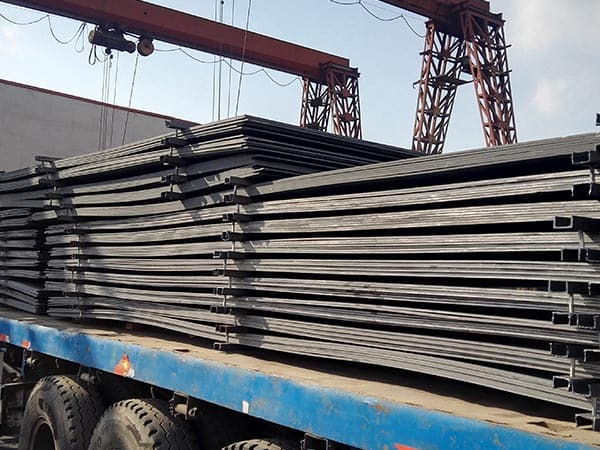
The Evolution of High-Strength Steel in Modern Vehicle Engineering
The global automotive industry is undergoing a paradigm shift, driven by the dual pressures of fuel efficiency regulations and the transition to electric mobility. At the heart of this transformation lies the demand for materials that offer an exceptional strength-to-weight ratio. S700MC, a thermomechanically rolled high-strength low-alloy (HSLA) steel, has emerged as a cornerstone material for engineers seeking to reduce vehicle mass without compromising safety or structural durability.
A professional S700MC cold forming automobile steel sheet exporter serves as more than just a middleman; they are a vital link in a complex supply chain that demands precision, technical expertise, and rigorous quality assurance. This steel grade, governed by the EN 10149-2 standard, is designed specifically for cold-formed components that require high load-bearing capacities and excellent fatigue resistance.
Unmatched Mechanical Properties of S700MC
The primary allure of S700MC lies in its mechanical profile. With a minimum yield strength of 700 MPa, it allows for significant thickness reduction compared to traditional structural steels like S355. This reduction directly translates to a lighter chassis and frame, which is paramount for heavy-duty trucks, trailers, and passenger vehicle safety cages.
Beyond simple yield strength, the tensile strength typically ranges between 750 and 950 MPa. What sets S700MC apart is its ability to maintain a reasonable level of elongation (typically 10-12% for thicknesses less than 3mm), ensuring that the material can absorb energy during a collision. This balance of hardness and ductility is achieved through a precise thermomechanical rolling process, which refines the grain structure to a microscopic level.
| Mechanical Property | Value Range (Typical) | Significance in Automotive Design |
|---|---|---|
| Yield Strength (ReH) | Min 700 MPa | Allows for thinner sections and higher load capacity. |
| Tensile Strength (Rm) | 750 - 950 MPa | Ensures structural integrity under extreme stress. |
| Elongation (A80mm) | Min 10 - 12% | Critical for energy absorption and crash safety. |
| Bending Radius (90°) | 0.8t - 1.5t | Enables complex geometries in cold forming. |
The Science of Cold Forming and Workability
One of the most significant advantages of S700MC is its superior cold forming performance. Despite its high strength, the material exhibits remarkably low springback and high consistency during bending and folding operations. This is a direct result of its fine-grained microstructure, which is stabilized by micro-alloying elements such as Niobium (Nb), Vanadium (V), and Titanium (Ti).
For manufacturers, this means that complex structural parts—such as longitudinal beams, cross members, and crane booms—can be produced using standard cold-pressing techniques. This eliminates the need for expensive hot-stamping processes in many applications, reducing energy consumption and production cycle times. A knowledgeable exporter ensures that the material provided has a uniform surface finish and consistent thickness tolerances, which are essential for automated robotic bending cells.
Welding Integrity and Processing Versatility
S700MC is characterized by its low carbon equivalent (CEV), which makes it exceptionally weldable. In the automotive sector, where MIG, MAG, and laser welding are ubiquitous, the ability to join high-strength components without inducing brittleness in the heat-affected zone (HAZ) is a massive advantage.
- Low Carbon Content: Minimizes the risk of cold cracking during the welding process.
- Micro-alloying Precision: Maintains grain stability even when subjected to the thermal cycles of welding.
- Laser Cutting Compatibility: The clean chemical composition allows for high-speed laser cutting with minimal dross, ensuring parts are ready for assembly immediately after cutting.
Exporters who understand these nuances provide material that is not only "to spec" but optimized for the specific welding parameters used in modern assembly lines. This reduces the scrap rate and enhances the overall reliability of the finished vehicle frame.
The Role of a Specialized Exporter in Quality Assurance
When sourcing S700MC globally, the exporter’s role extends into the realm of technical consultancy and risk management. High-strength steel is sensitive to storage conditions and handling. A premium exporter ensures that the sheets are protected from hydrogen embrittlement and atmospheric corrosion through specialized packaging and climate-controlled logistics.
Furthermore, traceability is non-negotiable in the automotive industry. A reputable exporter provides full 3.1 or 3.2 mill test certificates (MTC) according to EN 10204, documenting every heat of steel. They also offer value-added services such as custom slitting, decoiling, and leveling, ensuring that the steel arrives at the factory floor ready for the press, with internal stresses neutralized to prevent warping during subsequent processing.
Environmental Impact and Lifecycle Sustainability
The use of S700MC is a proactive step toward environmental sustainability. By enabling the construction of lighter vehicles, it significantly reduces CO2 emissions over the vehicle's operational lifespan. For electric vehicles (EVs), the weight savings achieved through S700MC can be reinvested into larger battery packs or used to extend the driving range, directly addressing "range anxiety" for consumers.
Moreover, S700MC is fully recyclable. At the end of the vehicle's life, the steel can be recovered and repurposed without losing its inherent properties, supporting a circular economy. Exporters who prioritize mills with EAF (Electric Arc Furnace) production routes further enhance the green credentials of the supply chain by reducing the initial carbon footprint of the raw material.
Strategic Industry Applications
While the automotive sector is the primary driver, the advantages of S700MC extend to various heavy-duty industries. Its high yield strength makes it ideal for:
- Commercial Vehicles: Chassis frames for trucks and trailers where payload maximization is key.
- Lifting Equipment: Telescopic booms for mobile cranes and aerial work platforms.
- Agricultural Machinery: Lightweight but durable frames for plows and harvesters.
- Storage Systems: High-rise racking systems that require high load-bearing capacity with minimal material volume.
An exporter with a diverse portfolio understands these cross-industry requirements and can advise on the best thickness and surface treatment (such as pickled and oiled) for each specific use case.
Economic Efficiency and Market Competitiveness
Choosing S700MC through a reliable exporter is an investment in long-term cost efficiency. Although the per-ton price of HSLA steel may be higher than mild steel, the total cost of ownership is often lower. The ability to use 30-40% less material to achieve the same structural strength leads to direct savings in material costs, shipping costs, and even welding consumables.
The competitive edge provided by S700MC lies in its ability to facilitate innovative designs. Engineers can create sleeker, more aerodynamic profiles that were previously impossible with lower-grade steels. By partnering with an exporter that offers stable pricing and consistent lead times, manufacturers can maintain lean production schedules and respond quickly to market demands.
Technical Excellence in Global Logistics
Shipping high-strength steel sheets across continents requires a deep understanding of maritime and inland logistics. S700MC sheets must be handled with care to avoid edge damage, which can cause stress concentrations during the cold forming process. A professional exporter utilizes heavy-duty sea-worthy packaging, including VCI (Volatile Corrosion Inhibitor) paper and steel strapping, to ensure the material remains pristine during transit.
The ability to navigate complex customs regulations and provide accurate documentation ensures that production lines are never halted by administrative delays. This logistical expertise is a silent but crucial advantage that high-tier exporters bring to the table, ensuring that the high-tech steel produced in the mill performs perfectly in the factory halfway around the world.
Leave a message