
What is ASTM equivalent of steel for truck chassis assemblies and their difference
Comprehensive guide on ASTM equivalents for truck chassis steel, comparing SAE J1392 and ASTM A572/A656 standards, mechanical properties, and processing advantages for heavy-duty vehicle manufacturing.
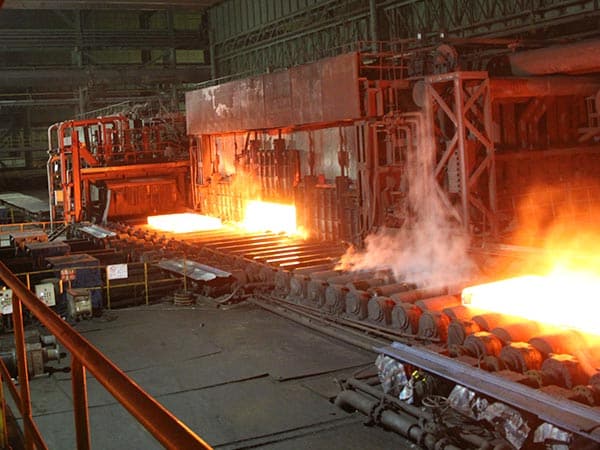
The Engineering Core of Heavy-Duty Transport: Understanding Chassis Steel
In the heavy-duty vehicle industry, the chassis serves as the backbone of the entire truck, bearing the weight of the cargo, the engine, and the cabin while enduring dynamic stresses from uneven road surfaces. Choosing the right steel grade is not merely a matter of strength; it is a balance of fatigue resistance, weldability, formability, and weight optimization. Historically, the automotive industry relied heavily on SAE (Society of Automotive Engineers) standards, specifically the SAE J1392 and SAE J410 series. However, as global supply chains integrate, engineers frequently seek ASTM (American Society for Testing and Materials) equivalents to streamline procurement and ensure compliance with structural engineering standards.
Identifying ASTM Equivalents for Common Chassis Grades
Truck chassis are predominantly manufactured from High-Strength Low-Alloy (HSLA) steels. These steels provide a higher strength-to-weight ratio than standard carbon steels, allowing for thinner sections that reduce the overall curb weight of the vehicle. The most common SAE grades used in frames, such as SAE J1392 050XL or 080XF, find their closest counterparts in the ASTM A572 and ASTM A656 specifications.
ASTM A572 Grade 50 is perhaps the most widely recognized equivalent for standard heavy-duty frames. It offers a minimum yield strength of 50,000 psi (345 MPa). For more demanding applications where weight reduction is critical, ASTM A656 Grade 80 is the preferred equivalent for high-yield SAE grades like J1392 080XF. This material is specifically designed for improved formability and weldability in the hot-rolled condition.
| SAE J1392 / J410 Grade | ASTM Equivalent | Yield Strength (min) | Tensile Strength (min) | Primary Application |
|---|---|---|---|---|
| 050XF / 950X | ASTM A572 Grade 50 | 345 MPa (50 ksi) | 450 MPa (65 ksi) | Main frame rails, cross members |
| 060XF / 960X | ASTM A572 Grade 60 | 415 MPa (60 ksi) | 520 MPa (75 ksi) | Heavy-duty reinforcement plates |
| 080XF / 980X | ASTM A656 Grade 80 | 550 MPa (80 ksi) | 620 MPa (90 ksi) | Lightweight high-strength chassis |
| 1020 / 1027 (Carbon) | ASTM A36 (Structural) | 250 MPa (36 ksi) | 400-550 MPa | Brackets, non-structural mounts |
Mechanical Performance and Fatigue Life
The primary difference between a standard structural steel and a dedicated chassis steel lies in its fatigue limit. A truck chassis is subjected to millions of cycles of torsion and bending. ASTM A656 steels are micro-alloyed with elements like Niobium (Columbium), Vanadium, and Titanium. These elements refine the grain structure of the steel, which significantly improves the material's ability to resist crack initiation and propagation.
While ASTM A572 is a general-purpose structural steel, the "XF" designation in SAE J1392 (meaning eXtra Formability and Fine grain) implies a level of cleanliness and inclusion control that standard A572 might not always guarantee unless specified. Therefore, when substituting, manufacturers often specify ASTM A572 Grade 50 Type 2 to ensure the presence of grain refiners that match the toughness of SAE automotive grades.
Processing Advantages: Weldability and Formability
Manufacturing a truck chassis involves extensive cold forming (bending the C-channels) and robotic welding. ASTM A656 is superior in this regard because it maintains a low Carbon Equivalent (CE). A lower CE value means the steel is less prone to cold cracking in the heat-affected zone (HAZ) during welding, often eliminating the need for expensive pre-heating processes.
- Bendability: ASTM A656 Grade 80 allows for tight bend radii without cracking, which is essential for creating the complex geometries of modern modular chassis.
- Weld Integrity: The low sulfur content (often controlled to 0.01% or less) in these ASTM grades prevents "lamellar tearing" during heavy fillet welding of cross-members to the main rails.
- Edge Quality: When laser or plasma cutting chassis components, these HSLA grades produce a clean, dross-free edge that requires minimal post-processing before assembly.
Environmental Adaptability and Corrosion Resistance
Trucks operate in diverse environments, from salt-covered winter roads to humid tropical regions. While standard ASTM A572 provides moderate atmospheric corrosion resistance, certain chassis designs utilize ASTM A588 (often known as Weathering Steel). This grade provides significantly better resistance to environmental degradation compared to standard carbon steels by forming a protective oxide layer.
However, most commercial truck frames are painted or e-coated. In these cases, the surface chemistry of the steel is vital. ASTM A1011 (Hot-Rolled Sheet) is often used for smaller chassis components; its surface is optimized for phosphate coating and electro-deposition (E-coat), ensuring that the protective paint layer adheres firmly and prevents sub-film corrosion.
Metallurgical Nuances: Why Equivalency Isn't Always Identity
It is critical for procurement specialists to understand that while ASTM A572 and SAE J1392 050XF are considered equivalents, their chemical tolerances differ. SAE standards are often stricter regarding residual elements like Copper, Nickel, and Chromium, which can affect the consistency of high-speed stamping operations. ASTM standards are broader, designed for the construction and bridge industries, which may result in slight variations in material "springback" during the bending process.
To bridge this gap, high-end chassis manufacturers often request "Dual Certified" material. This ensures the steel meets the chemistry of the SAE automotive standard while providing the mechanical certification of the ASTM structural standard, offering the best of both worlds in terms of reliability and regulatory compliance.
Future Trends: Moving Toward Ultra-High Strength
As the industry moves toward electric trucks, the weight of the battery packs necessitates even lighter chassis. We are seeing a shift from ASTM A656 Grade 80 toward Advanced High-Strength Steels (AHSS) and even ASTM A1008/A1011 Grade 100. These materials allow for a "down-gauging" strategy, where thinner steel plates can support the same loads as thicker, traditional grades, thereby extending the range of electric heavy-duty vehicles.
Understanding these subtle differences in ASTM equivalents allows engineers to optimize their designs for the global market, ensuring that whether a truck is manufactured in North America, Europe, or Asia, the structural integrity of the chassis remains uncompromised. By focusing on micro-alloyed HSLA options like ASTM A656, manufacturers can achieve the perfect synergy of strength, durability, and cost-effectiveness.
Leave a message