
What is the en 10149-2 s420mc shapes
Discover the technical specifications, mechanical properties, and versatile shapes of EN 10149-2 S420MC steel. Learn why this high-strength grade is essential for automotive and heavy machinery.
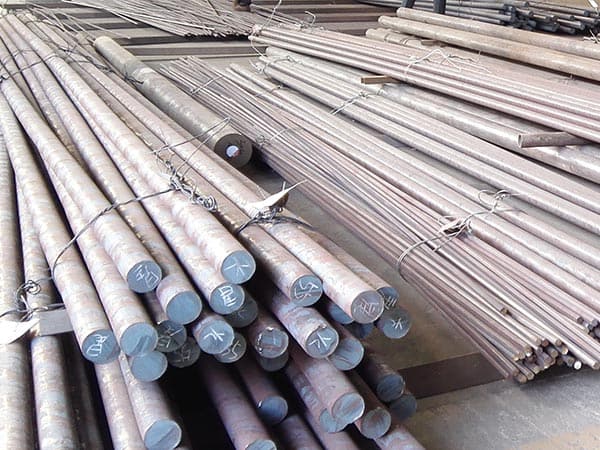
Defining the Core of EN 10149-2 S420MC
EN 10149-2 S420MC represents a high-yield strength, thermomechanically rolled steel specifically designed for cold forming. The nomenclature itself reveals its identity: 'S' denotes structural steel, '420' indicates a minimum yield strength of 420 MPa, 'M' signifies its thermomechanical rolling process, and 'C' highlights its suitability for cold forming operations. Unlike traditional hot-rolled steels, S420MC achieves its superior strength through a precision-controlled rolling and cooling process rather than heavy alloying, which preserves its excellent weldability and ductility.
When discussing S420MC shapes, we refer to the diverse physical formats this material takes to meet industrial demands. While it primarily originates as flat-rolled products like hot-rolled coils and sheets, its high formability allows it to be transformed into complex structural profiles, precision-bent components, and intricate laser-cut parts. This versatility makes it a cornerstone for engineers seeking to reduce weight without compromising structural integrity.
The Chemistry Behind the Performance
The exceptional performance of S420MC is rooted in its chemical composition. By maintaining low carbon and manganese levels and utilizing micro-alloying elements like niobium (Nb), vanadium (V), and titanium (Ti), manufacturers can refine the grain structure. This fine-grained microstructure is what provides the high yield strength and toughness required for demanding applications.
| Element | Max Content (%) |
|---|---|
| Carbon (C) | 0.12 |
| Manganese (Mn) | 1.60 |
| Silicon (Si) | 0.50 |
| Phosphorus (P) | 0.025 |
| Sulfur (S) | 0.015 |
| Aluminium (Al) | 0.015 |
The low carbon equivalent (CEV) is a critical factor for the steel's weldability. It ensures that the heat-affected zone (HAZ) remains tough and resistant to cracking, even when using high-speed automated welding processes. This chemical balance is why S420MC is often preferred over standard S355 grades when weight reduction is a priority.
Mechanical Properties and Structural Reliability
The primary appeal of S420MC lies in its mechanical profile. It offers a significant step up from standard structural steels, allowing for thinner gauges to carry the same loads. This 'down-gauging' is a key strategy in modern manufacturing to improve fuel efficiency in vehicles and reduce material costs in large-scale constructions.
- Yield Strength (ReH): Minimum 420 MPa for thicknesses up to 16mm.
- Tensile Strength (Rm): 480 to 620 MPa, providing a robust safety margin.
- Elongation (A80mm): Typically 16% to 19% depending on thickness, ensuring the material can deform without sudden fracture.
- Impact Strength: Excellent low-temperature toughness, making it suitable for equipment operating in harsh climates.
These properties are consistent across the various S420MC shapes, whether the material is in its original coil form or has been processed into a C-channel or Z-profile. The thermomechanical rolling ensures that the strength is uniform throughout the material, which is vital for predictable performance in structural calculations.
Diverse S420MC Shapes in Industrial Supply
Understanding the available shapes of S420MC is crucial for procurement and design. The material is most commonly supplied in the following formats:
- Hot Rolled Coils: The base format for high-volume manufacturing, often used in automated stamping lines.
- Cut-to-Length Sheets: Precision-leveled sheets used for laser cutting and large panel fabrication.
- Slit Strips: Narrower widths of S420MC used for roll-forming specific profiles or manufacturing small components.
- Cold-Formed Profiles: S420MC is frequently roll-formed into U-channels, C-sections, and Omega profiles for use in vehicle chassis and racking systems.
- Laser-Cut Parts: Due to its excellent surface quality and flatness, S420MC is a favorite for intricate laser-cut components in heavy machinery.
Suppliers often offer these shapes in various surface finishes, including 'as rolled' or 'pickled and oiled' (HRPO). The pickled and oiled surface is particularly popular for components that require subsequent painting or coating, as it provides a clean, scale-free surface that enhances adhesion.
Advanced Processing: Bending and Welding
One of the defining characteristics of EN 10149-2 S420MC is its cold-forming capability. Unlike higher-strength steels that can be brittle, S420MC allows for tight bending radii. For thicknesses (t) less than 3mm, the minimum inside bend radius is often as low as 0.25t to 0.5t, depending on the orientation relative to the rolling direction.
Welding S420MC is straightforward using standard methods such as MIG/MAG, TIG, and submerged arc welding. Because of its low alloy content, preheating is generally not required for standard thicknesses. This efficiency in the workshop translates to lower labor costs and faster production cycles. However, it is essential to select filler materials that match the high yield strength of the base metal to maintain the integrity of the joint.
Expanding Applications: Where S420MC Excels
The transition to S420MC is often driven by the need for high-performance structural components. Its application spans several high-demand industries:
Automotive and Transportation: This is perhaps the largest consumer of S420MC shapes. It is used for truck chassis frames, cross members, and suspension components. The high strength-to-weight ratio allows manufacturers to build lighter trailers and trucks, increasing payload capacity and reducing CO2 emissions.
Heavy Machinery and Lifting Equipment: Crane booms, excavator arms, and agricultural machinery benefit from the toughness of S420MC. These machines often face dynamic loads and extreme weather; the fine-grained structure of S420MC provides the fatigue resistance necessary for a long service life.
Storage and Racking Systems: In warehouse logistics, high-bay racking requires materials that can support immense vertical loads while remaining slim to maximize storage space. S420MC cold-formed profiles are the ideal solution for these structural uprights.
Environmental Adaptability and Longevity
While S420MC is not a 'weathering steel' like Corten, its chemical purity and fine microstructure offer decent resistance to atmospheric corrosion when properly treated. In most industrial applications, S420MC shapes are galvanized or powder-coated. The material's surface is highly receptive to these treatments, ensuring that the structural integrity is protected from oxidation over decades of use.
Furthermore, the sustainability aspect of S420MC cannot be overlooked. By using less steel to achieve the same structural goal, the total carbon footprint of a project is reduced. At the end of its life cycle, S420MC is 100% recyclable, fitting perfectly into the circular economy of the modern steel industry.
Comparative Advantage: S420MC vs. S355MC
Many designers face the choice between the ubiquitous S355MC and the higher-strength S420MC. While S355MC is sufficient for many general purposes, S420MC offers an approximately 18% increase in yield strength. This difference allows for a significant reduction in wall thickness. For example, a component originally designed with 5mm S355MC might be safely replaced with 4mm S420MC, leading to a 20% weight saving. This weight reduction often offsets the slightly higher cost per ton of the S420MC material.
| Feature | S355MC | S420MC |
|---|---|---|
| Min Yield Strength | 355 MPa | 420 MPa |
| Formability | Excellent | Very Good | Excellent | Excellent |
| Weight Saving Potential | Baseline | High (up to 20%) |
Procurement Considerations for S420MC Shapes
When sourcing S420MC, it is vital to verify the mill test certificates (MTC) to ensure compliance with EN 10149-2. Buyers should pay close attention to the 'MC' designation, as this guarantees the thermomechanical processing required for the specific mechanical properties. Whether you are ordering large coils for a stamping plant or custom-bent profiles for a construction project, the consistency of the grain structure is what will determine the success of your fabrication process.
In the modern market, S420MC has become a global standard. Its reliability, combined with the ability to be shaped into almost any structural form, ensures its continued dominance in the evolution of high-strength steel engineering. By selecting the right S420MC shapes and leveraging its cold-forming potential, industries can continue to push the boundaries of design, efficiency, and durability.
Leave a message