
What is the S900MC mechanical properties machining
Explore the comprehensive technical profile of S900MC steel. This guide covers its 900 MPa yield strength, mechanical properties, advanced machining strategies, and industrial applications in heavy-duty engineering.
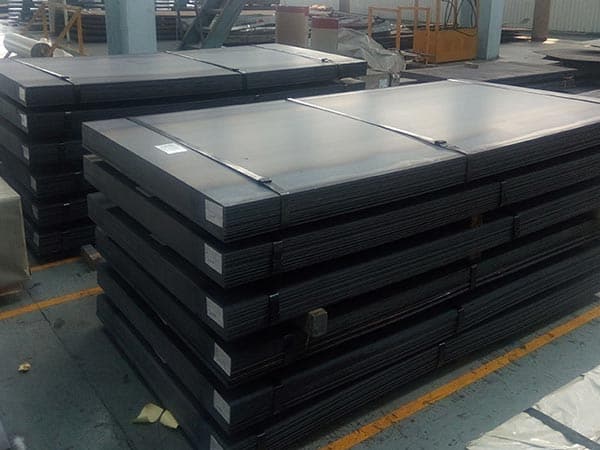
The Essence of S900MC: High-Strength Thermomechanically Rolled Steel
S900MC represents the pinnacle of thermomechanically rolled (MC) high-yield strength steels, governed by the EN 10149-2 standard. As industries push for lightweighting and higher load-bearing capacities, this grade has become a cornerstone for engineers designing complex structural components. The 'S' denotes structural steel, '900' indicates a minimum yield strength of 900 MPa, and 'MC' signifies its thermomechanically rolled condition, which optimizes grain structure for superior toughness and formability.
Unlike traditional quenched and tempered steels, S900MC achieves its extreme strength through a precise rolling process at controlled temperatures, combined with micro-alloying elements such as Niobium (Nb), Vanadium (V), and Titanium (Ti). This metallurgical approach ensures that the material maintains high strength without the brittleness often associated with high-carbon alloys.
Detailed Mechanical Properties of S900MC
The mechanical performance of S900MC is what defines its utility in high-stress environments. Its primary characteristic is the exceptional yield-to-tensile ratio, which allows for significant weight reduction in structural designs. Below is a breakdown of its core mechanical parameters:
| Property | Value (Metric) | Significance |
|---|---|---|
| Minimum Yield Strength (ReH) | 900 MPa | Maximum stress before permanent deformation occurs. |
| Tensile Strength (Rm) | 930 - 1200 MPa | The ultimate stress the material can withstand before breaking. |
| Minimum Elongation (A80mm) | ~7% - 8% | Indicates the ductility available for cold forming operations. |
| Impact Strength (Charpy V-Notch) | Typically 27J at -20°C / -40°C | Crucial for performance in cold climates and dynamic loading. |
The high yield strength allows designers to use thinner plates to achieve the same structural integrity as thicker, lower-grade steels. This 'down-gauging' is essential for reducing the dead weight of vehicles and machinery, directly improving fuel efficiency and payload capacity.
Machining S900MC: Challenges and Strategies
Machining S900MC requires a different approach compared to standard structural steels like S355. Due to its high hardness (typically ranging between 280 and 360 HBW), the material exerts significant thermal and mechanical stress on cutting tools. Successful machining depends on rigid setups and optimized parameters.
- Drilling Operations: High-speed steel (HSS) drills are generally ineffective for S900MC. Solid carbide drills with internal cooling are recommended. Using a lower cutting speed (Vc) and a consistent feed rate (f) prevents work hardening within the hole.
- Milling Techniques: When milling S900MC, climb milling is preferred to reduce heat generation at the cutting edge. Indexable inserts with PVD coatings (such as TiAlN) provide the necessary heat resistance and hardness to withstand the abrasive nature of the micro-alloyed matrix.
- Turning Parameters: Maintain a constant depth of cut to avoid glazing the surface. Since the material is tough, chip breaking can be a challenge; using high-pressure coolant can assist in effective chip evacuation.
Thermal Cutting Considerations: S900MC is highly suitable for laser, plasma, and waterjet cutting. Laser cutting is particularly effective for S900MC because the narrow heat-affected zone (HAZ) preserves the integrity of the thermomechanical treatment. When using plasma, ensure the gas mixture is optimized to prevent excessive hardening of the cut edge, which could complicate subsequent machining steps.
Cold Forming and Bending Performance
Despite its extreme strength, S900MC is specifically designed for cold forming. However, the bending process requires higher force and larger radii compared to lower-strength grades. Engineers must account for the springback effect, which is significantly more pronounced in 900 MPa steel.
- Minimum Bend Radius: For a plate thickness (t), the recommended minimum bending radius is typically 3.0t to 4.0t, depending on the orientation relative to the rolling direction.
- Die Opening: A wider die opening helps reduce the required press force and minimizes the risk of surface cracking during the bend.
- Surface Quality: Ensure the edges are deburred before bending. Any micro-cracks or notches on the edge can act as stress concentrators, leading to failure during the forming process.
Welding Characteristics of S900MC
The weldability of S900MC is excellent due to its low carbon equivalent (CEV). This allows for welding without extensive preheating in most applications, reducing fabrication time and costs. However, the high strength of the base metal necessitates careful selection of filler materials.
To maintain the mechanical integrity of the joint, it is often recommended to use filler metals that match the strength of the base material (e.g., AWS A5.28 ER110S or ER120S). It is vital to control the heat input. Excessive heat input can lead to grain growth in the heat-affected zone (HAZ), which significantly reduces the yield strength and toughness in that specific region. Keeping the interpass temperature below 150°C is a standard best practice for S900MC.
Environmental Adaptability and Durability
S900MC performs reliably across a wide range of environmental conditions. Its fine-grained structure provides a natural resistance to brittle fracture, even at low temperatures. This makes it ideal for equipment operating in arctic conditions or high-altitude environments.
Regarding corrosion, S900MC is not a weathering steel. In outdoor or corrosive environments, it requires surface protection such as painting, galvanizing, or specialized coatings. When galvanizing, engineers must be aware of the risk of hydrogen embrittlement; however, the low carbon content of S900MC generally mitigates this risk compared to high-carbon quenched steels.
Strategic Applications in Modern Industry
The unique combination of high strength, weldability, and formability makes S900MC indispensable in several high-performance sectors:
- Lifting and Handling: Crane booms, telescopic arms, and aerial work platforms benefit from the weight reduction, allowing for longer reach and higher lift capacities.
- Automotive and Transport: Chassis frames for heavy-duty trucks, trailers, and specialized transport vehicles utilize S900MC to increase payload while meeting strict emissions standards through weight reduction.
- Agricultural Machinery: High-stress components in harvesters, plows, and spreaders where durability and impact resistance are critical.
- Offshore and Energy: Structural components for wind turbine transport frames and secondary offshore structures where high strength-to-weight ratios are required.
By integrating S900MC into designs, manufacturers can achieve a more sustainable lifecycle for their products. Reduced material usage leads to lower raw material costs and lower energy consumption during transport, making it an economically and environmentally sound choice for advanced engineering projects.
Leave a message