
What is ZQS700L 1.2mm coil mild steel
Discover the technical specifications, chemical composition, and industrial benefits of ZQS700L 1.2mm coil steel. Learn how this high-strength grade enables lightweighting.
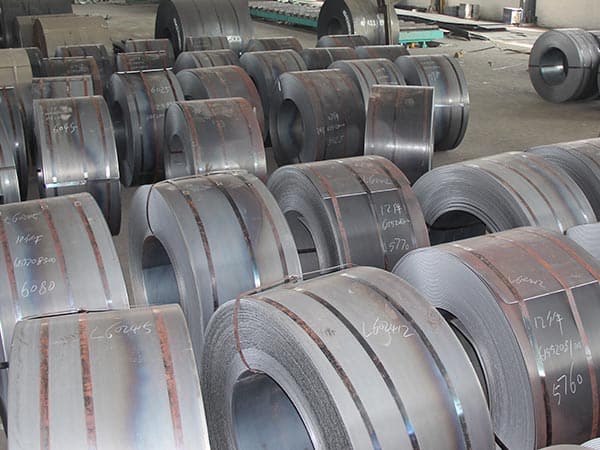
Understanding the Essence of ZQS700L 1.2mm Coil Steel
ZQS700L represents a pinnacle in the evolution of high-strength low-alloy (HSLA) steels, specifically engineered for cold forming applications where weight reduction and structural integrity are paramount. While the term "mild steel" is often used colloquially to describe low-carbon steels, ZQS700L is more accurately classified as an ultra-high-strength structural steel. The "700" in its designation refers to its minimum yield strength of 700 MPa, a staggering figure compared to traditional mild steels like Q235, which typically hover around 235 MPa.
The 1.2mm thickness specification is particularly significant. In the world of precision engineering, 1.2mm represents a "sweet spot" for thin-gauge applications. It provides enough substance to maintain structural rigidity while being thin enough to significantly reduce the overall mass of a component. When delivered in coil form, ZQS700L offers manufacturers the flexibility of continuous feeding into high-speed stamping lines or roll-forming machines, maximizing production efficiency and minimizing material waste.
Chemical Composition: The Science of Strength
The exceptional properties of ZQS700L are not accidental; they are the result of precise metallurgical balancing. Unlike standard carbon steel, ZQS700L utilizes micro-alloying elements such as Niobium (Nb), Vanadium (V), and Titanium (Ti). These elements facilitate grain refinement during the thermomechanical rolling process, creating a fine-grained microstructure that resists deformation and crack propagation.
| Element | Carbon (C) | Manganese (Mn) | Silicon (Si) | Phosphorus (P) | Sulfur (S) | Al + Ti + Nb + V |
|---|---|---|---|---|---|---|
| Typical Content (%) | ≤ 0.12 | ≤ 2.10 | ≤ 0.50 | ≤ 0.025 | ≤ 0.015 | Micro-alloyed |
Low carbon content is maintained to ensure excellent weldability and cold formability. Manganese is used to increase hardness and tensile strength, while the controlled levels of phosphorus and sulfur ensure the steel remains clean, reducing the risk of internal defects that could lead to failure under high stress.
Mechanical Performance and Structural Advantages
The primary reason engineers specify ZQS700L 1.2mm coil is its high strength-to-weight ratio. By switching from a thicker, lower-grade steel to a 1.2mm ZQS700L sheet, manufacturers can achieve the same structural load-bearing capacity while reducing weight by up to 30-50%. This is critical for industries focused on energy efficiency and carbon footprint reduction.
| Property | Yield Strength (MPa) | Tensile Strength (MPa) | Elongation (%) | 180° Cold Bend (d=a) |
|---|---|---|---|---|
| ZQS700L Standard | ≥ 700 | 750 - 950 | ≥ 12 | Pass |
Despite its high yield strength, ZQS700L retains a surprising amount of ductility. An elongation of 12% or higher allows the material to undergo complex bending and forming processes without snapping. This makes it an ideal candidate for intricate structural components that must absorb energy, such as automotive crash zones.
Processing Performance: Bending, Welding, and Cutting
Working with 1.2mm high-strength steel requires a deep understanding of its physical behavior. Because ZQS700L has high yield strength, it exhibits more springback than traditional mild steel. Fabricators must compensate for this by over-bending or using precision CNC equipment with integrated springback compensation algorithms.
- Cold Forming: ZQS700L is designed for cold pressing and roll forming. Its fine grain structure allows for tight bending radii, which is essential for compact structural designs.
- Welding Compatibility: Due to its low carbon equivalent (CEV), ZQS700L is highly compatible with standard welding methods including MAG, TIG, and laser welding. It is crucial to use appropriate filler materials that match the strength of the base metal to avoid weak points in the assembly.
- Laser Cutting: The 1.2mm thickness is ideal for high-speed fiber laser cutting. The clean chemical composition of ZQS700L ensures smooth edges and minimal heat-affected zones (HAZ), preserving the material's integrity near the cut.
Environmental Adaptability and Surface Protection
While ZQS700L is a high-performance steel, its atmospheric corrosion resistance is similar to that of standard carbon steel. Therefore, surface treatment is often required depending on the operating environment. In automotive applications, 1.2mm ZQS700L is frequently used in its pickled and oiled (P&O) state or is subsequently galvanized or e-coated.
The material performs exceptionally well in fatigue-prone environments. The fine-grained structure helps inhibit the initiation of fatigue cracks, extending the service life of components subjected to cyclic loading, such as truck chassis members or vibrating machinery frames. This durability makes it a cost-effective choice over the long term, reducing maintenance requirements and replacement cycles.
Strategic Industry Applications
The versatility of ZQS700L 1.2mm coil steel allows it to transcend traditional boundaries. Its application is most prominent where "lightweighting" is the primary engineering goal.
Automotive and Transportation: This is the largest consumer of ZQS700L. It is used for bumper beams, seat frames, chassis reinforcements, and cross members. By using 1.2mm high-strength steel instead of 2.0mm mild steel, vehicle manufacturers can improve fuel efficiency and increase payload capacity without compromising safety.
Renewable Energy: In the solar industry, ZQS700L is increasingly used for solar tracking systems and mounting brackets. These structures must withstand high wind loads while remaining light enough for easy installation. The 1.2mm gauge provides the necessary stiffness to prevent buckling under extreme weather conditions.
Logistics and Warehousing: High-density racking systems and automated storage/retrieval systems (ASRS) utilize ZQS700L for uprights and beams. The high yield strength allows for taller racks with thinner profiles, maximizing warehouse space utilization.
Comparing ZQS700L with Global Standards
ZQS700L is often compared to the European standard S700MC (EN 10149-2). Both materials are thermomechanically rolled and share similar mechanical profiles. However, ZQS700L is often a proprietary or enterprise standard (like those from Baosteel or Shougang), which may have slightly tighter tolerances on specific chemical elements or surface finishes tailored for high-end automotive stamping.
When selecting between ZQS700L and lower grades like Q355L or Q460L, the decision usually comes down to a trade-off between material cost per ton and total project weight. While ZQS700L has a higher price point per kilogram, the ability to use thinner gauges (like 1.2mm) often results in a lower total cost per part and reduced shipping expenses due to the lighter weight of the finished product.
Technical Considerations for Procurement
Purchasing ZQS700L 1.2mm coil requires attention to detail regarding the coil's physical condition. High-strength steels are more sensitive to internal stresses. It is vital to ensure the coil has undergone proper leveling and stress-relieving processes to ensure flatness during uncoiling and cutting. Buyers should also verify the thickness tolerance; for a 1.2mm sheet, even a minor deviation can significantly impact the calculated strength and the fitment of precision-engineered assemblies.
The transition to ZQS700L represents a move toward more sustainable and efficient engineering. By leveraging the 700 MPa yield strength in a thin 1.2mm profile, industries can build stronger, lighter, and more durable structures that meet the demanding requirements of the modern global market.
Leave a message