
Whats the price of S315MC steel for cold forming parts
Comprehensive guide on S315MC steel pricing, technical specifications, mechanical properties, and industrial applications for cold forming components.
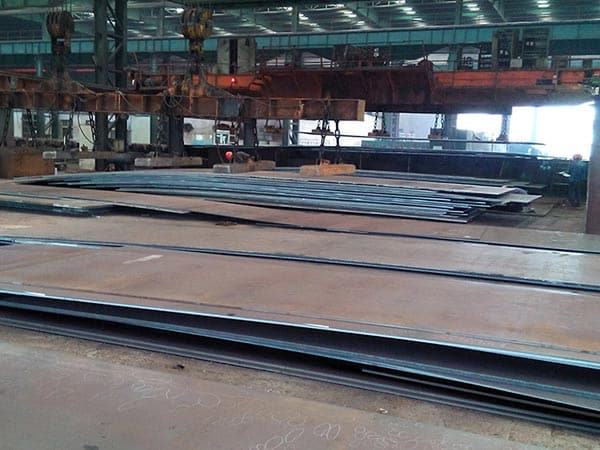
Understanding the Value Proposition of S315MC Steel
When evaluating whats the price of S315MC steel for cold forming parts, it is essential to look beyond the surface-level per-ton cost. S315MC is a high-strength, low-alloy (HSLA) steel grade governed by the EN 10149-2 standard. This material is specifically designed for cold-formed components that require a delicate balance of high yield strength and excellent ductility. The price of S315MC is influenced by its sophisticated manufacturing process, which involves thermomechanical rolling (TMCP). Unlike traditional hot-rolled steels, S315MC offers a refined grain structure that allows for tighter bending radii and weight reduction in final assemblies, making it a cost-effective choice for long-term industrial efficiency.
Technical Specifications: The Foundation of Pricing
The market price of S315MC is intrinsically linked to its chemical composition and mechanical performance. Manufacturers must adhere to strict limits on alloying elements like Niobium (Nb), Titanium (Ti), and Vanadium (V) to achieve the desired micro-alloyed properties. These elements contribute to grain refinement and precipitation hardening, which are the primary drivers of the material's strength without sacrificing weldability.
| Chemical Element | Max Content (%) |
|---|---|
| Carbon (C) | 0.12 |
| Manganese (Mn) | 1.30 |
| Silicon (Si) | 0.50 |
| Phosphorus (P) | 0.025 |
| Sulfur (S) | 0.020 |
| Aluminium (Al) | 0.015 |
Lower sulfur and phosphorus levels are critical for preventing edge cracking during intense cold forming operations. High-purity batches often command a premium price but significantly reduce the scrap rate in production lines, offering a better return on investment (ROI) for manufacturers of complex automotive frames and structural sections.
Mechanical Performance and Industrial Advantages
S315MC is defined by its minimum yield strength of 315 MPa. This strength-to-weight ratio is a key selling point. By using S315MC, engineers can design thinner parts that maintain the same structural integrity as thicker, lower-grade steels like S235JR. This reduction in material thickness directly impacts the total project cost by lowering raw material consumption and reducing shipping weights.
| Property | Value (Thickness < 3mm) | Value (Thickness ≥ 3mm) |
|---|---|---|
| Yield Strength (ReH MPa) | min. 315 | min. 315 |
| Tensile Strength (Rm MPa) | 390 - 510 | 390 - 510 |
| Elongation (A80 % / A5 %) | min. 20 | min. 24 |
The high elongation values indicate that S315MC can undergo significant deformation without fracturing. This makes it ideal for complex geometries found in cold-pressed parts, such as chassis components, brackets, and longitudinal beams. The consistency of these mechanical properties across different production batches is what separates premium mills from low-cost alternatives.
Factors Influencing Market Price Fluctuations
The price of S315MC steel is not static; it fluctuates based on several macroeconomic and supply chain factors. Understanding these variables helps procurement managers time their purchases effectively.
- Raw Material Costs: The price of iron ore, coking coal, and scrap steel forms the baseline for all steel pricing. Since S315MC requires micro-alloying elements like Niobium and Titanium, the volatility in the ferro-alloy market also plays a significant role.
- Energy Surcharges: The thermomechanical rolling process is energy-intensive. Fluctuations in electricity and natural gas prices, particularly in Europe and Asia, often result in energy surcharges added to the base price.
- Thickness and Width Specifications: Standard dimensions are generally cheaper. Custom widths or ultra-thin gauges (below 2.0mm) require more precision and passes through the rolling mill, leading to higher processing costs.
- Surface Quality Requirements: S315MC is often supplied in the pickled and oiled (P&O) condition. The chemical pickling process removes mill scale, which is essential for subsequent painting or galvanizing. This additional step adds to the final price per ton.
- Logistics and Availability: Geographic location and shipping costs can significantly impact the delivered price. Steel sourced from major hubs like China or India might have a lower base price but higher lead times and freight costs compared to local domestic mills.
Processing Excellence: Cold Forming and Weldability
The true value of S315MC is realized during the fabrication stage. Its low carbon equivalent (CEV) ensures exceptional weldability. Whether using MIG, TIG, or laser welding, S315MC maintains its structural integrity in the heat-affected zone (HAZ), provided the heat input is controlled. This reduces the need for post-weld heat treatments, further lowering production costs.
In cold forming, the material exhibits minimal springback compared to higher-strength grades like S700MC. This predictability allows for high-precision manufacturing of cold-formed sections. When calculating the total cost, manufacturers must account for the extended tool life achieved when using S315MC, as its optimized hardness profile is less abrasive on stamping dies and bending tools than traditional carbon steels.
Environmental Adaptation and Sustainability
Modern industrial standards place a heavy emphasis on the environmental footprint of materials. S315MC supports the "lightweighting" trend in the automotive and transportation industries. By reducing the overall weight of vehicles, S315MC contributes to lower fuel consumption and reduced CO2 emissions over the vehicle's lifecycle. Furthermore, HSLA steels like S315MC are 100% recyclable. The scrap generated during the cold forming process can be returned to the electric arc furnace (EAF) to produce new high-quality steel, aligning with circular economy principles.
Strategic Procurement Insights
To secure the best price for S315MC steel, buyers should consider long-term contracts rather than relying solely on the spot market. Establishing a relationship with a reliable service center that offers decoiling, slitting, and pickling services can streamline the supply chain. It is also advisable to request Mill Test Certificates (MTC) to verify that the material meets the EN 10149-2 standards, ensuring that the price paid reflects the actual quality received.
Current market trends suggest a growing demand for S315MC in the renewable energy sector, particularly for solar tracking systems and wind turbine internal components. This diversification of demand means that prices may remain firm even if the automotive sector experiences a slowdown. Staying informed about global steel production capacities and trade policies is essential for navigating the complex pricing landscape of S315MC steel.
By focusing on the total cost of ownership—including material savings, reduced processing steps, and lower scrap rates—S315MC emerges as one of the most versatile and economically viable high-strength steels available for modern cold forming applications.
Leave a message