
When to paint HR coil Q235 pickled steel coil
Master the technical timing and surface preparation required for painting Q235 pickled and oiled hot rolled steel coils to ensure maximum coating adhesion and long-term corrosion resistance.
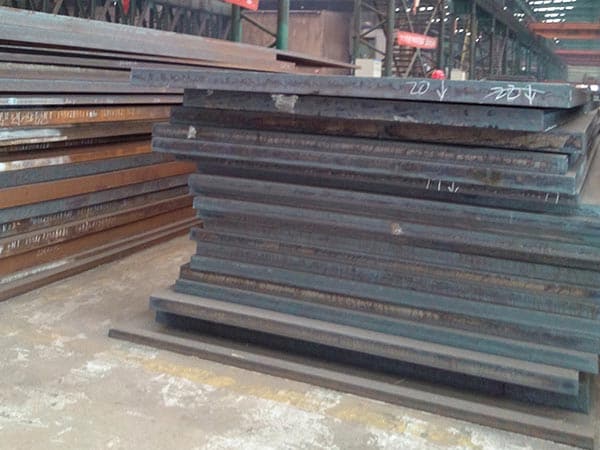
Understanding the Characteristics of Q235 Pickled Hot Rolled Steel
Q235 steel is a carbon structural steel widely utilized in the manufacturing and construction sectors due to its balanced mechanical properties and cost-effectiveness. When we discuss HR coil Q235 pickled steel, we are referring to hot-rolled steel that has undergone a chemical pickling process to remove mill scale—the thick, dark oxide layer formed during high-temperature rolling. The resulting surface is clean, smooth, and typically coated with a thin layer of rust-preventative oil. Understanding the exact moment to transition from this oiled state to a painted finish is critical for ensuring the structural integrity and aesthetic longevity of the final product.
The pickling process involves passing the steel through a series of hydrochloric or sulfuric acid baths. This not only removes oxides but also reveals the true metallic surface of the Q235 substrate. However, this process leaves the steel highly reactive. To prevent immediate atmospheric corrosion, manufacturers apply a protective oil film. This oil is the primary obstacle to paint adhesion, and the timing of its removal dictates the success of any subsequent coating application.
The Critical Window: When to Paint After Surface Preparation
The question of "when" to paint Q235 pickled steel is not merely about a timestamp; it is about the state of the surface. Painting must occur immediately after the removal of protective oils and before the onset of flash rusting. In a controlled industrial environment, this window is typically within 4 to 8 hours of cleaning, depending on the ambient humidity and temperature. If the steel is left bare for too long, oxygen and moisture in the air will begin to react with the iron, forming a microscopic layer of iron oxide that prevents the paint from bonding at a molecular level.
Technical specifications often dictate that painting should proceed only when the steel temperature is at least 3°C (5°F) above the dew point of the surrounding air. This prevents invisible condensation from forming on the Q235 surface, which would otherwise trap moisture beneath the paint film, leading to premature blistering and delamination. For high-performance applications, such as automotive chassis or solar mounting brackets, the timing is even tighter, often requiring a continuous line process where degreasing, rinsing, drying, and painting occur in a single sequence.
Mechanical and Chemical Properties of Q235 Steel
Q235 steel is defined by its yield strength and ductility. The "235" in its name represents a minimum yield strength of 235 MPa. For engineers and painters, these properties influence how the steel behaves during fabrication and how the surface reacts to chemical treatments. Below is a detailed breakdown of the typical properties of Q235 pickled steel:
| Property Category | Technical Parameter | Typical Value (Q235) |
|---|---|---|
| Chemical Composition | Carbon (C) | ≤ 0.22% |
| Chemical Composition | Manganese (Mn) | 0.30% - 0.65% |
| Chemical Composition | Silicon (Si) | ≤ 0.35% |
| Mechanical Performance | Yield Strength (ReH) | ≥ 235 MPa |
| Mechanical Performance | Tensile Strength (Rm) | 370 - 500 MPa |
| Mechanical Performance | Elongation (A80mm) | ≥ 26% |
| Surface Condition | Roughness (Ra) | 0.6 - 1.2 μm (Pickled) |
The relatively low carbon content of Q235 ensures excellent weldability, which is a major reason it is chosen for complex assemblies that require painting after welding. However, the heat-affected zones (HAZ) near welds will require additional attention during the pickling and cleaning phase to ensure paint adheres uniformly across the entire component.
The Essential Degreasing Process Before Painting
Since HR coil Q235 pickled steel is delivered in an oiled state, the first step in the painting timeline is thorough degreasing. You cannot paint over the rust-preventative oil. The oil creates a low-surface-energy barrier that causes paint to "bead up" or fail to wet the surface properly. Common degreasing methods include:
- Alkaline Cleaning: Using heated aqueous solutions of sodium hydroxide or silicates to saponify and emulsify the oils.
- Solvent Wiping: Using volatile organic compounds (VOCs) like acetone or mineral spirits for manual cleaning on smaller scales.
- Vapor Degreasing: Utilizing solvent vapors to dissolve oils in a specialized chamber.
Once the oil is removed, the steel must be thoroughly rinsed with deionized water to remove any residual salts or cleaning agents. The "Water Break Free" test is a standard industry method to determine if the steel is ready for painting: if water sheets off the surface without breaking into droplets, the oil is gone, and the painting window has officially opened.
Environmental Adaptability and Coating Selection
Q235 pickled steel is highly adaptable to various coating systems, provided the surface is prepared correctly. The choice of paint often depends on the final environment the steel will inhabit. For indoor machinery, a single-layer powder coating or an alkyd enamel may suffice. For outdoor infrastructure or marine environments, a multi-layer system is required.
- Epoxy Primers: These are the gold standard for Q235 pickled steel. They offer exceptional adhesion and chemical resistance, acting as a robust barrier against moisture.
- Polyurethane Topcoats: Often applied over epoxy primers, these provide UV resistance and color retention for outdoor applications.
- Zinc-Rich Primers: For extreme corrosion resistance, zinc-rich coatings provide cathodic protection to the Q235 substrate, effectively acting as a sacrificial layer.
The smoothness of the pickled surface (compared to the rougher surface of sandblasted steel) means that the mechanical interlock between the paint and the steel is slightly lower. Therefore, chemical adhesion through high-quality primers is paramount. Achieving the correct surface profile through phosphate conversion coatings (zinc or iron phosphate) can also significantly enhance the bond strength and the lifespan of the paint system.
Industry-Specific Painting Requirements
Different industries have varying standards for when and how to paint Q235 pickled steel. In the automotive industry, pickled steel is used for internal structural components. These parts undergo an E-coat (electrophoretic deposition) process almost immediately after stamping and cleaning to ensure 100% coverage, including inside crevices. In the appliance industry, the focus is on surface aesthetics; hence, the steel is often painted using automated powder coating lines where the time between cleaning and coating is measured in minutes.
For heavy machinery and agricultural equipment, Q235 is favored for its toughness. Here, the steel might be stored in a warehouse after pickling. In such cases, the painting timeline must account for the removal of any "shop dirt" or moisture that accumulated during storage. If the protective oil has begun to degrade or if there are signs of yellowing (early oxidation), a mild phosphoric acid wash may be necessary to "reactivate" the surface before the primer is applied.
Operational Best Practices for Optimal Adhesion
To achieve the best results when painting HR coil Q235 pickled steel, operators should follow a strict protocol. First, verify the material grade and the type of oil used by the mill. Some synthetic oils are harder to remove than mineral-based oils. Second, implement a rigorous drying stage after aqueous cleaning; any moisture trapped in pores or joints will cause the paint to fail. Third, use lint-free materials for any manual wiping to avoid contaminating the clean surface.
Furthermore, the use of automated monitoring for bath concentrations in the cleaning stage ensures consistency. If the alkaline cleaner becomes saturated with oil, it will redeposit a thin film back onto the Q235 steel, leading to mysterious paint failures weeks after the product has left the factory. Maintaining a clean, dry, and temperature-controlled environment during the transition from cleaning to painting is the most effective way to guarantee a high-quality finish that protects the structural integrity of the Q235 steel for its intended service life.
Leave a message