
When to paint steel for truck chassis assemblies
Discover the optimal timing for painting steel truck chassis assemblies. This guide covers material properties, surface preparation, and the impact of welding on coating durability.
The Critical Intersection of Metallurgy and Surface Protection
In the heavy-duty transportation sector, the truck chassis serves as the literal backbone of the vehicle. It must withstand immense torsional loads, vibration, and a relentless assault from environmental factors such as road salts, moisture, and debris. Determining when to paint steel for truck chassis assemblies is not merely a question of production scheduling; it is a complex engineering decision that integrates material science, welding technology, and long-term corrosion management.
Modern chassis are increasingly fabricated from Advanced High-Strength Steels (AHSS), such as S500MC, S700MC, or even ultra-high-strength grades like Q960. These thermomechanically rolled steels offer a high strength-to-weight ratio, but their chemical composition—specifically the presence of silicon and manganese—significantly influences how paint adheres to the surface. Understanding the metallurgical state of the steel at various stages of fabrication is the first step in optimizing the coating lifecycle.
Material Properties and Their Influence on Coating Adhesion
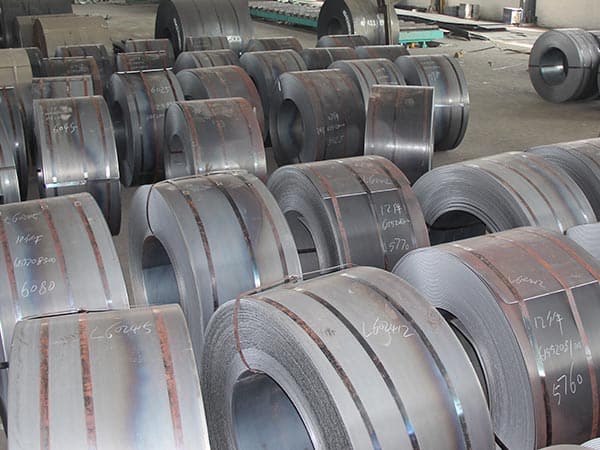
Before addressing the timing of the painting process, one must analyze the substrate. Truck chassis steel often features a thin layer of mill scale or oxides formed during the rolling process. If painting occurs too early without removing these oxides, the coating will eventually delaminate as the scale breaks away from the base metal under mechanical stress.
- Surface Roughness (Ra): High-strength steels like S700MC require a specific surface profile to ensure mechanical interlocking of the primer. Painting should only occur after the surface has been prepared to an Sa 2.5 or Sa 3.0 cleanliness level.
- Chemical Passivity: Some cold-rolled steels may have residual processing oils. If painting is attempted before deep degreasing, the surface tension will prevent the paint from wetting the metal, leading to "fish-eyes" and premature failure.
- Thermal History: The heat-affected zone (HAZ) near welds undergoes microstructural changes. Painting must happen after these areas have cooled and been mechanically cleaned to remove slag and silicates.
The Strategic Timing: Pre-Fabrication vs. Post-Assembly
The industry generally debates two primary windows for painting: applying a shop primer to individual components before assembly, or painting the entire chassis after it has been fully welded and bolted. Each approach has distinct implications for the structural integrity and longevity of the truck.
1. Pre-Fabrication Painting (Shop Primers)
Applying a thin layer of weldable primer immediately after the steel plates are shot-blasted but before they are cut and formed is common in large-scale manufacturing. This prevents flash rusting during storage. However, this is rarely the final coating. The primary advantage is that it protects the steel during the blanking, laser cutting, and bending phases. The disadvantage is that the heat from subsequent welding will burn the paint, requiring significant rework in the HAZ.
2. Post-Assembly Painting (The Gold Standard)
For high-end truck chassis, the most effective time to paint is after the entire frame—including longitudinal rails, cross-members, and suspension brackets—has been assembled. This ensures that every joint, bolt hole, and weld seam is encapsulated by the protective layer. Painting at this stage eliminates the risk of "creeping corrosion" that often starts at unpainted edges or weld scars.
Comparative Analysis of Steel Grades and Coating Compatibility
| Steel Grade | Typical Application | Recommended Surface Prep | Optimal Painting Window |
|---|---|---|---|
| S355J2+N | Standard trailers/light trucks | Shot blasting (Sa 2.5) | Post-welding assembly |
| S700MC | Heavy-duty chassis rails | Chemical pickling + Grit blasting | Immediately after final assembly |
| Q690D | Specialized heavy haulers | High-pressure water jetting + Abrasive blast | Post-stress relief heat treatment |
| Stainless 3CR12 | Corrosive environment chassis | Passivation + Light sanding | Optional (often left unpainted) |
Environmental Adaptability and Performance Testing
The timing of the painting process must also account for the environment where the truck will operate. A chassis destined for the mining industry in Australia faces different challenges than a long-haul truck in the snowy corridors of Northern Europe. In high-salt environments, the salt spray resistance (measured in hours via ASTM B117) is the primary KPI. If painting is delayed and the steel is exposed to high humidity during the assembly phase, invisible salts can be trapped under the paint film, leading to osmotic blistering.
Cathodic Electrodeposition (KTL/E-Coat) is often used as a first step in the painting sequence. This process must occur after all mechanical work is finished because the E-coat provides a uniform, thin layer that reaches into the deepest recesses of the chassis. Following the E-coat with a robust topcoat (such as a two-component polyurethane) provides the necessary UV resistance and mechanical toughness.
The Impact of Welding and Mechanical Fastening
One of the most frequent mistakes in chassis manufacturing is painting components before they are bolted together. While this seems efficient, the high clamping forces of Huck bolts or high-tensile fasteners can crack the paint film around the hole, creating a focal point for rust. Therefore, the "when" of painting should ideally follow the drilling and assembly of major structural components.
Furthermore, welding produces spatter and silicates. If the painting is done too early (pre-assembly), these contaminants are never properly addressed. If it is done post-assembly, the entire structure can undergo a unified cleaning process, ensuring that the inter-coat adhesion between the primer and the topcoat is maximized across the entire geometry of the frame.
Advanced Coating Technologies for High-Strength Steel
As we move toward more sustainable manufacturing, the chemistry of the paint itself is changing. High-solid epoxies and water-borne systems are replacing traditional solvent-based paints. These modern systems are more sensitive to the timing of application. They require strictly controlled temperature and humidity windows during the curing phase. For a truck chassis, this means the painting facility must be integrated into the production line at a point where the steel temperature can be stabilized after any thermal processing.
Using Zinc-rich primers is another critical factor. Applying these primers too late—after the steel has already begun to develop a microscopic oxide layer—negates the sacrificial protection that zinc provides. The electrical contact between the zinc dust and the steel substrate must be direct and uninterrupted.
Optimizing the Production Lifecycle
To achieve the best results, manufacturers should follow a rigorous sequence. The steel should be received in a clean state, processed through CNC cutting and forming, and then moved to a dedicated assembly jig. Once the structural welding is complete and the frame has been inspected for integrity, it should move immediately to a multi-stage pre-treatment line. This line should include degreasing, zinc phosphating (or a zirconium-based conversion coating), and then the painting itself. This sequence ensures that the steel is at its most receptive state for chemical bonding, resulting in a chassis that can withstand 10 to 15 years of service without significant structural corrosion.
The decision of when to paint is ultimately a balance between logistics and longevity. While painting earlier in the process might reduce immediate costs, the long-term warranty claims associated with chassis corrosion far outweigh the initial savings. By aligning the painting schedule with the metallurgical requirements of high-strength steel and the mechanical realities of chassis assembly, engineers can ensure a product that is as durable as it is strong.
Leave a message