
Which steel is better en 10149-2 s420mc equivalent or A36?
A comprehensive technical comparison between EN 10149-2 S420MC and ASTM A36. Analyze mechanical properties, weldability, cold forming, and cost-efficiency to determine which steel grade suits your engineering project.
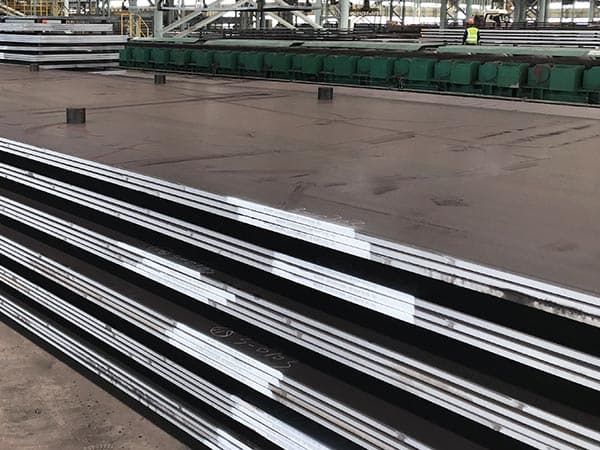
Understanding the Core Differences Between S420MC and A36
When engineers and procurement specialists evaluate materials for structural or automotive applications, the choice often narrows down to high-strength low-alloy (HSLA) steels like EN 10149-2 S420MC and traditional carbon structural steels like ASTM A36. While both are widely used, they represent different philosophies in steel metallurgy and manufacturing. S420MC is a thermomechanically rolled steel designed for cold forming, whereas A36 is a hot-rolled carbon steel known for its versatility and ease of use in general construction.
The term better is subjective and depends entirely on the specific requirements of the project. If the goal is to reduce weight without sacrificing structural integrity, S420MC offers a significant advantage. Conversely, if the project involves thick sections where material cost per ton is the primary driver and weight is not a constraint, A36 remains a formidable contender. To make an informed decision, one must look deep into the chemical composition, mechanical performance, and processing characteristics of these two distinct grades.
Chemical Composition and Metallurgical Design
ASTM A36 is a basic carbon-manganese steel. Its chemistry is relatively simple, focusing on maintaining a balance of carbon, manganese, and silicon to ensure reliable weldability and strength. Because it is a commodity grade, its grain structure is typically coarser than that of HSLA steels. This simplicity makes it highly predictable but limits its yield strength to approximately 250 MPa (36 ksi).
In contrast, S420MC is engineered using Thermomechanical Control Process (TMCP). This process involves precise temperature control during rolling to create a very fine-grained microstructure. The chemical composition includes micro-alloying elements such as Niobium (Nb), Vanadium (V), and Titanium (Ti). These elements facilitate grain refinement and precipitation hardening, allowing the steel to achieve a minimum yield strength of 420 MPa while maintaining a very low carbon content (typically below 0.12%). This low carbon content is the secret behind its superior weldability and toughness compared to traditional steels of similar strength.
Mechanical Properties Comparison
The most striking difference between these two grades lies in their mechanical performance. The following table highlights the key parameters that define their load-bearing capabilities and ductility.
| Property | ASTM A36 | EN 10149-2 S420MC |
|---|---|---|
| Yield Strength (min) | 250 MPa (36 ksi) | 420 MPa |
| Tensile Strength | 400 - 550 MPa | 480 - 620 MPa |
| Elongation (min) | 20% - 23% | 16% - 19% (depending on thickness) |
| Processing Method | Hot Rolled | Thermomechanically Rolled |
| Grain Structure | Ferrite-Pearlite | Fine-grained Ferrite |
From the data, it is evident that S420MC provides nearly 70% higher yield strength than A36. This disparity allows designers to use thinner sections of S420MC to carry the same load that would require much thicker A36 plates. This concept, known as lightweighting, is critical in industries where reducing the dead weight of a structure translates directly into fuel savings or increased payload capacity.
Cold Forming and Fabricability
A significant advantage of S420MC is its exceptional suitability for cold forming. The EN 10149-2 standard specifically classifies S420MC as a steel for cold forming. Due to its fine-grained structure and low inclusion content, it can be bent to tight radii without cracking. This makes it ideal for complex geometries found in truck chassis, crane booms, and cold-pressed profiles.
ASTM A36, while capable of being bent, does not offer the same level of consistency in tight-radius forming. As the thickness of A36 increases, the risk of surface tearing or orange-peel effects during bending becomes more pronounced. For manufacturers using automated press brakes or roll-forming lines, S420MC provides a level of predictability that reduces scrap rates and improves production efficiency.
Weldability and Heat Affected Zone (HAZ)
Both steels are considered highly weldable, but they react differently to the thermal cycles of welding. A36 is very forgiving; its relatively high carbon equivalent compared to S420MC (in relation to its strength) means it can be welded using standard procedures without extensive preheating in most thicknesses. However, its weldability is strictly tied to its carbon content, which can vary between different mills.
S420MC, thanks to its TMCP origin and low carbon equivalent (CEV), exhibits excellent weldability. However, there is a technical caveat: because its strength is derived from the fine-grained structure and thermomechanical rolling, excessive heat input during welding can cause grain growth in the Heat Affected Zone (HAZ). This may lead to a localized reduction in strength. Professional fabricators typically use low-heat input welding techniques to preserve the high-strength properties of the S420MC base metal. When handled correctly, the welded joints of S420MC are exceptionally tough and reliable.
Economic Impact and Weight Reduction
When comparing the cost, A36 usually has a lower price per ton because it is easier to produce and does not require micro-alloying elements or complex TMCP rolling schedules. However, looking at the price per ton is a narrow perspective. The real value of S420MC is found in the total project cost.
- Material Savings: Using S420MC can reduce the total weight of steel required by 30% to 40% compared to A36.
- Logistics: Lighter structures are cheaper to transport and easier to handle on-site.
- Welding Consumables: Thinner plates require fewer welding passes and less filler metal, significantly reducing labor and consumable costs.
- Performance: In mobile equipment, the reduction in self-weight allows for higher payloads, providing long-term economic benefits to the end-user.
Therefore, while the initial material cost of S420MC is higher, the total cost of the finished product is often lower, especially in applications where weight is a critical factor.
Environmental Adaptability and Durability
Environmental factors play a role in material selection. A36 is a standard carbon steel and is susceptible to atmospheric corrosion if not properly coated or galvanized. S420MC also requires protection, but its fine-grained structure can sometimes offer slightly better resistance to certain types of stress corrosion cracking compared to the coarser A36.
Furthermore, S420MC typically exhibits better low-temperature toughness than standard A36. While A36 does not have a mandatory impact test requirement unless specified (as A36/A36M with supplemental requirements), S420MC is often produced with guaranteed impact properties at sub-zero temperatures. This makes S420MC a safer choice for equipment operating in cold climates, such as offshore structures or heavy machinery used in northern latitudes.
Identifying the Best Application for Each Grade
Choosing between these two grades requires a clear understanding of the end-use environment. ASTM A36 is the go-to material for static structures where weight is not a concern. It is the backbone of the construction industry, used in building frames, bridges (where fatigue is not the primary concern), and general-purpose base plates. Its availability is universal, making it easy to source for small to medium-scale projects.
S420MC (and its equivalents like ASTM A1011 HSLAS-F Grade 60 or 65) is the superior choice for dynamic applications. The automotive industry relies heavily on S420MC for chassis components, cross members, and structural reinforcements. In the lifting and moving industry, it is used for crane arms, trailer frames, and agricultural machinery. Any application that requires a high strength-to-weight ratio, excellent cold formability, and reliable fatigue resistance will benefit from the advanced properties of S420MC.
When evaluating which steel is better, consider the complexity of your design. If your part involves intricate bends and requires high strength to minimize weight, S420MC is the clear winner. If your design is simple, uses thick sections, and is budget-sensitive regarding raw material costs, A36 remains the industry standard for a reason. Both steels have their place in modern engineering, and the "better" steel is the one that aligns most closely with your technical requirements and economic goals.
Leave a message