
Which steel is better S500MC thermomechanically rolled steels or A36?
A comprehensive technical comparison between S500MC thermomechanically rolled steel and A36 carbon steel, analyzing mechanical properties, weldability, and weight reduction.
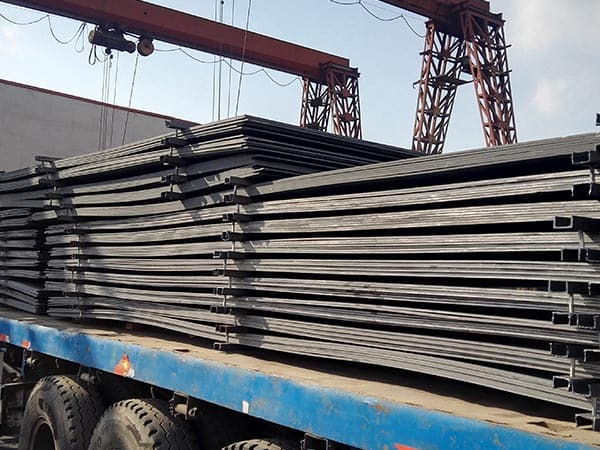
The Evolution of Structural Steel: Understanding S500MC and A36
In the contemporary landscape of material science, the choice between traditional carbon steels and modern high-strength low-alloy (HSLA) variants often dictates the success of an engineering project. The comparison between S500MC, a thermomechanically rolled steel governed by the EN 10149-2 standard, and A36, the ubiquitous ASTM standard carbon steel, represents a clash between two different philosophies of metallurgy. While A36 has been the backbone of the construction industry for decades, S500MC offers a sophisticated alternative designed for weight reduction and high load-bearing capacity. Determining which is "better" requires a granular analysis of their microstructural characteristics, processing techniques, and ultimate performance in diverse environments.
Microstructural Foundations and Manufacturing Processes
The fundamental difference between these two grades begins at the mill. A36 steel is a standard hot-rolled carbon steel. Its strength is primarily derived from its carbon and manganese content, resulting in a classic ferrite-pearlite microstructure. It is valued for its predictability and ease of production, making it highly cost-effective for general structural applications where weight is not a primary constraint.
Conversely, S500MC is produced through a process known as Thermomechanically Controlled Processing (TMCP). This involves precise temperature control during the rolling process, followed by accelerated cooling. This technique refines the grain size to a microscopic level, significantly enhancing both strength and toughness without the need for high levels of alloying elements or carbon. The "MC" suffix denotes its suitability for cold forming and its thermomechanically rolled state. This refined grain structure allows S500MC to achieve a yield strength nearly double that of A36 while maintaining excellent ductility.
Mechanical Property Comparison: Strength vs. Ductility
When evaluating mechanical performance, the gap between these two materials becomes evident. A36 is defined by a minimum yield strength of 250 MPa (36 ksi) and a tensile strength ranging from 400 to 550 MPa. It is a robust material but requires thicker sections to handle high loads.
S500MC, however, is engineered for high-performance applications. It boasts a minimum yield strength of 500 MPa, providing a significant advantage in load-carrying capacity. This allows engineers to reduce the thickness of components by up to 30-50% compared to A36, leading to substantial weight savings in mobile equipment and transport vehicles.
| Property | ASTM A36 | EN 10149-2 S500MC |
|---|---|---|
| Yield Strength (min) | 250 MPa | 500 MPa |
| Tensile Strength | 400 - 550 MPa | 550 - 700 MPa |
| Elongation (min) | 20-23% | 12-14% (depending on thickness) |
| Manufacturing Method | Hot Rolled | Thermomechanically Rolled (TMCP) |
Weldability and Fabrication Efficiency
Fabrication costs often outweigh material costs in large-scale projects. A36 is renowned for its exceptional weldability. Due to its simple chemistry, it can be welded using almost any standard process (SMAW, GMAW, FCAW) without extensive preheating or specialized consumables. It is the "user-friendly" choice for onsite construction and general repair.
S500MC, despite its much higher strength, maintains excellent weldability due to its low carbon equivalent (CEV). Because the strength is derived from grain refinement rather than high carbon or alloy content, it does not suffer from the brittleness often associated with high-strength steels. However, fabricators must be cautious with heat input. Excessive heat during welding can lead to grain growth in the heat-affected zone (HAZ), which may locally reduce the strength benefits gained from the TMCP process. When handled correctly with modern welding parameters, S500MC allows for leaner, stronger welded assemblies.
Cold Forming and Processing Versatility
One of the standout features of S500MC is its cold forming capability. The "MC" designation specifically indicates that the steel is optimized for bending and folding. Even at 500 MPa yield strength, it can be bent to tight radii without cracking, which is essential for manufacturing complex chassis components, crane arms, and telescopic booms. A36 also bends well, but its lower strength-to-weight ratio means that thicker plates are needed, which requires much larger bending forces and heavier machinery.
- S500MC: Excellent for complex geometries and automated folding processes.
- A36: Better suited for heavy plate structures where simple geometry is preferred.
- Tool Wear: S500MC, being harder, may increase wear on cutting tools and dies compared to the softer A36.
- Springback: S500MC exhibits higher springback after bending due to its higher yield point, requiring more precise CNC compensation.
Environmental Adaptability and Fatigue Resistance
In dynamic environments, fatigue resistance is a critical metric. S500MC’s fine-grained structure provides superior resistance to fatigue crack initiation and propagation compared to the coarser-grained A36. This makes S500MC the preferred choice for parts subjected to cyclic loading, such as truck frames, trailers, and agricultural machinery.
Regarding atmospheric corrosion, both steels are typically utilized in a coated or painted state. Neither is "weathering steel" like Corten. However, the smoother surface finish often found on S500MC (due to controlled rolling) can provide a better substrate for high-quality powder coatings or specialized paint systems, enhancing the overall longevity of the final product in corrosive environments.
Industry-Specific Applications: Choosing the Right Tool
The decision between S500MC and A36 is usually driven by the specific demands of the industry. In the automotive and transportation sector, S500MC is the clear winner. The drive for fuel efficiency and higher payloads makes weight reduction paramount. Using S500MC for truck chassis and cross members allows manufacturers to shed hundreds of kilograms without compromising structural integrity.
In civil engineering and static construction, A36 remains the dominant force. For building frames, base plates, and simple bridges where weight is less of a concern than material volume and cost-per-ton, the economic profile of A36 is hard to beat. It is widely available globally, and its properties are deeply integrated into standard building codes.
For lifting and material handling equipment, such as forklifts and mobile cranes, S500MC is indispensable. The need for high strength in thin sections allows for the design of longer, lighter booms that can lift heavier loads at greater reaches—a feat that would be physically impossible with the heavier sections required if using A36.
Economic Considerations and Lifecycle Value
On a price-per-kilogram basis, S500MC is more expensive than A36 due to the advanced TMCP processing and tighter quality controls. However, a professional procurement strategy looks beyond the initial price. By using S500MC, a manufacturer can use significantly less steel to achieve the same structural performance. This "lightweighting" reduces shipping costs of raw materials, reduces the amount of welding consumables needed, and lowers the fuel consumption of the vehicle throughout its entire operational life.
Furthermore, the increased durability and fatigue life of S500MC components can lead to lower maintenance costs and longer service intervals. For fleet operators, the higher initial investment in a trailer made of S500MC is often recouped within the first year of operation through increased payload capacity and fuel savings.
Technical Verdict: S500MC vs. A36
The comparison reveals that S500MC is not merely a "stronger" version of A36, but a technologically superior material designed for the challenges of modern engineering. A36 remains the gold standard for stability, ease of use, and low-cost static structures. It is the reliable choice for projects where the weight of the steel is an asset or a neutral factor.
S500MC is the strategic choice for innovation. It empowers designers to push the limits of what is possible in terms of strength, weight, and efficiency. When the goal is to create high-performance, mobile, or highly stressed components, the thermomechanically rolled S500MC provides a suite of properties that A36 simply cannot match. The "better" steel is the one that aligns with the project's priorities: A36 for traditional structural reliability, and S500MC for high-efficiency, high-strength engineering solutions.
Leave a message