
How to remove rust of BS700MC cold forming steel
Discover professional methods for removing rust from BS700MC high-strength cold forming steel. This guide covers mechanical, chemical, and laser cleaning techniques while preserving mechanical properties.
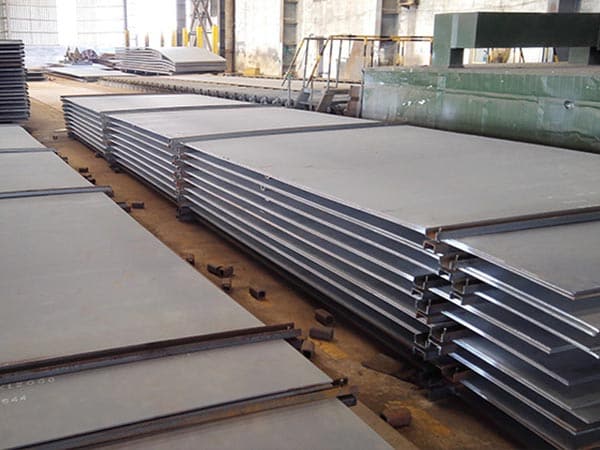
The Critical Importance of Surface Integrity in BS700MC High-Strength Steel
BS700MC is a high-strength, low-alloy (HSLA) steel produced through thermomechanically controlled rolling (TMCP). With a minimum yield strength of 700 MPa, this material is engineered for weight reduction in demanding structural applications such as truck frames, crane booms, and chassis components. However, the very micro-alloying elements (Niobium, Titanium, and Vanadium) that provide its exceptional strength and cold-forming capabilities also make it sensitive to surface degradation. Rust, or iron oxide, is not merely an aesthetic issue for BS700MC; it is a structural threat. When oxidation occurs, it creates stress concentration points that can lead to premature fatigue failure during cold forming or under cyclic loading in the final application. Effective rust removal is therefore essential to maintain the design life of the component.
Mechanical Rust Removal: Precision and Surface Profile
Mechanical methods are often the first line of defense against heavy oxidation on BS700MC plates and sections. These methods rely on physical force to dislodge the oxide layer from the steel substrate. For BS700MC, maintaining a specific surface profile (roughness) is vital for subsequent coating adhesion.
- Abrasive Blasting (Sandblasting/Shot Blasting): This is the most efficient method for large-scale rust removal. For BS700MC, using steel grit or garnet is recommended to achieve a cleanliness level of Sa 2.5 or Sa 3 according to ISO 8501-1. It is important to control the blasting pressure to avoid work-hardening the surface layer, which could negatively impact the steel's ductility during subsequent bending or flanging operations.
- Power Tool Cleaning: Utilizing wire brushes or grinding discs is suitable for localized rust patches. However, operators must be cautious not to 'polish' the rust into the surface pores, which can trap moisture and lead to under-film corrosion later.
- Needle Scaling: Primarily used for thick scale or weld slag removal, this method is effective but must be applied uniformly to prevent localized deformation in the high-strength matrix of the BS700MC.
Chemical Rust Removal: Pickling and Passivation Protocols
Chemical treatment, or pickling, involves immersing the BS700MC steel in an acidic solution to dissolve the rust. This method is highly effective for complex geometries where mechanical tools cannot reach. However, because BS700MC is a high-strength steel, the risk of hydrogen embrittlement during acid pickling is a significant concern. When the acid reacts with the steel, atomic hydrogen is released and can penetrate the crystal lattice, leading to sudden, brittle failure under stress.
| Chemical Agent | Concentration | Temperature | Pros/Cons for BS700MC |
|---|---|---|---|
| Hydrochloric Acid (HCl) | 10% - 15% | Room Temp | Fast removal; high risk of hydrogen embrittlement. |
| Phosphoric Acid | 20% - 30% | 40°C - 60°C | Leaves a protective phosphate layer; slower than HCl. | 5% - 10% | 60°C | Environmentally friendly; safe for the base metal. |
To mitigate the risks associated with chemical cleaning, the use of acid inhibitors is mandatory. These chemicals form a protective film on the clean steel surface while allowing the acid to continue attacking the rust. Furthermore, for BS700MC components that have undergone heavy cold working, a post-pickling 'baking' process (de-embrittlement) at approximately 190°C to 210°C for several hours may be necessary to drive out trapped hydrogen atoms.
Laser Cleaning: The Modern Non-Destructive Solution
Laser cleaning technology represents the pinnacle of rust removal for high-performance steels like BS700MC. This process uses high-frequency, high-energy laser pulses to irradiate the surface. The rust layer absorbs the energy and undergoes thermal expansion or ablation, effectively evaporating or peeling away without affecting the underlying steel substrate. Since laser cleaning is a non-contact, dry process, it eliminates the risks of chemical contamination and mechanical work-hardening. For BS700MC, fiber lasers with a wavelength of 1064nm are particularly effective. This method ensures that the refined grain structure of the TMCP steel remains intact, preserving its 700 MPa yield strength and excellent impact toughness at low temperatures.
Preserving the BS700MC Surface Post-Rust Removal
Once the rust is removed, the freshly exposed iron is highly reactive and will oxidize almost immediately if left unprotected. This is known as 'flash rust.' To prevent this, a multi-step protection strategy should be implemented immediately after cleaning.
- Passivation: For chemically pickled steel, a final rinse in an alkaline solution or a chromate-free passivator creates a thin, inert oxide layer that halts further corrosion.
- Oiling: For parts that will be stored or shipped before further processing, applying a high-quality rust-preventative oil is a cost-effective temporary solution.
- Priming: If the BS700MC is destined for a painted assembly, applying a zinc-rich primer provides cathodic protection, ensuring that even if the topcoat is scratched, the steel remains rust-free.
The choice of rust removal method for BS700MC must be dictated by the final application's requirements. For structural components in the automotive industry, where fatigue life is paramount, laser cleaning or carefully controlled abrasive blasting is often preferred over aggressive acid pickling. By understanding the metallurgical characteristics of BS700MC, engineers can select a cleaning protocol that restores the surface without compromising the incredible mechanical properties that make this steel a leader in modern engineering.
Environmental and Safety Considerations
Handling rust removal for industrial-grade steel requires strict adherence to safety protocols. When using mechanical methods, dust extraction systems are necessary to prevent the inhalation of iron oxide particles. In chemical pickling, neutralizing the waste acid and managing heavy metal runoff is a legal and environmental requirement. Laser cleaning, while safer in terms of chemical waste, requires operators to wear specific wavelength-filtered eye protection. Proper management of these factors ensures that the maintenance of BS700MC steel is both effective and sustainable across its lifecycle in heavy-duty machinery and transport sectors.
Leave a message