
How to remove rust of BS700MC heat treatment
Comprehensive technical guide on removing rust and oxide scale from BS700MC high-strength steel after heat treatment, covering chemical, mechanical, and laser methods.
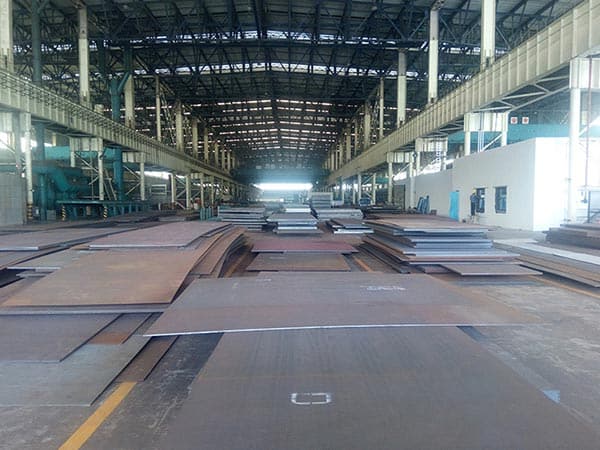
The Nature of Surface Oxidation in BS700MC High-Strength Steel
BS700MC is a high-yield-strength, cold-forming steel typically used in the thermomechanically rolled condition. However, when secondary heat treatment or localized thermal processing (such as welding or stress relieving) occurs, the surface reacts with atmospheric oxygen. This results in the formation of complex iron oxides, commonly referred to as scale or rust. Unlike mild steel, the high alloying elements in BS700MC, including micro-alloying elements like niobium (Nb), vanadium (V), and titanium (Ti), can influence the tenacity and composition of the oxide layer.
The removal of rust from BS700MC is not merely an aesthetic requirement. For high-performance structural components, surface integrity directly correlates with fatigue resistance and coating adhesion. If oxide scales are left untreated, they act as stress concentrators and can lead to premature failure in dynamic loading environments such as truck frames, crane booms, and heavy machinery chassis.
Mechanical Methods for Rust and Scale Removal
Mechanical cleaning remains the most common industrial approach for restoring the surface of BS700MC after heat treatment. These methods rely on physical force to break the bond between the oxide layer and the base metal.
- Shot Blasting and Sandblasting: This involves propelling abrasive media at high velocities. For BS700MC, it is critical to select the correct media. Steel grit or garnet is preferred over silica sand to avoid surface contamination. The process not only removes rust but also introduces beneficial compressive residual stresses on the surface, which can enhance the fatigue life of the component.
- Power Tool Cleaning: Using wire brushes or grinding discs is effective for localized rust removal. However, operators must be careful not to overheat the surface, as localized high temperatures can alter the tempered microstructure of the 700MPa grade steel.
- Needle Scaling: Often used for weld joints and complex geometries where larger equipment cannot reach.
Chemical Pickling Strategies for BS700MC
Chemical cleaning, or pickling, uses acidic solutions to dissolve the rust and scale. Because BS700MC is a high-strength steel, the risk of hydrogen embrittlement during pickling must be strictly managed.
Hydrochloric acid (HCl) is the most frequent choice due to its rapid action at room temperature. Sulfuric acid (H2SO4) is also used but typically requires heating. To protect the base metal from excessive dissolution, chemical inhibitors must be added to the pickling bath. These inhibitors form a molecular film on the clean steel surface while allowing the acid to attack the oxides.
| Pickling Agent | Concentration | Temperature | Pros/Cons for BS700MC |
|---|---|---|---|
| Hydrochloric Acid (HCl) | 8% - 15% | 20°C - 35°C | Fast removal; high risk of acid fumes. |
| Sulfuric Acid (H2SO4) | 10% - 20% | 60°C - 80°C | Cheaper; requires heating; higher risk of hydrogen absorption. |
| Phosphoric Acid | 15% - 30% | 40°C - 60°C | Leaves a protective phosphate layer; slower and more expensive. |
Laser Cleaning: The Precision Alternative
As industry moves toward more sustainable and precise manufacturing, laser cleaning has emerged as a premier solution for high-strength steels like BS700MC. This method uses high-frequency laser pulses to ablate the rust layer without affecting the substrate's mechanical properties.
The primary advantage of laser cleaning for BS700MC heat-treated parts is the absence of chemicals and abrasives. There is no risk of hydrogen embrittlement, and the process is highly controllable, ensuring that the precise thickness of the oxide is removed. Furthermore, laser cleaning can reach into intricate geometries that are difficult for mechanical brushes to access.
Impact of Rust Removal on Mechanical Properties
When removing rust from BS700MC, one must consider the preservation of its 700 MPa yield strength and its excellent cold-forming capabilities. Excessive grinding or aggressive pickling can reduce the cross-sectional area or introduce surface notches.
Hydrogen Embrittlement: High-strength steels are particularly susceptible to the absorption of atomic hydrogen during chemical cleaning. If hydrogen is trapped within the grain boundaries, it can lead to sudden, brittle failure under load. To mitigate this, parts should be baked at approximately 190°C - 210°C for several hours immediately after pickling to drive out the hydrogen.
Surface Roughness: The cleaning method dictates the final surface profile (Ra value). A surface that is too rough can act as a site for crack initiation, while a surface that is too smooth may not provide enough "tooth" for subsequent painting or galvanizing. For BS700MC, a balanced profile achieved through controlled shot blasting is often ideal.
Environmental Adaptability and Corrosion Prevention
Once the rust is removed, the freshly exposed iron surface of BS700MC is highly reactive. Without immediate protection, "flash rust" will occur within minutes, especially in humid environments. The choice of post-treatment depends on the final application of the steel.
- Passivation: Applying a chemical passivator creates a thin, non-reactive film that prevents immediate oxidation.
- Oiling: For components that will be stored or further processed, a light coating of rust-preventative oil is standard.
- Zinc Coating: For long-term environmental resistance, hot-dip galvanizing or zinc-rich primers are applied. It is important to note that BS700MC's silicon and phosphorus content must be monitored to ensure a high-quality galvanized finish.
Industrial Application Scenarios for Cleaned BS700MC
The demand for clean, rust-free BS700MC is highest in sectors where weight reduction and structural integrity are paramount. In the automotive industry, chassis components must be free of scale to ensure perfect weld penetration and long-term durability against road salts. In agricultural machinery, the abrasive nature of soil requires that the steel surface be perfectly prepared for wear-resistant coatings.
By implementing a rigorous rust removal protocol—whether through mechanical, chemical, or laser means—manufacturers ensure that BS700MC maintains its superior performance characteristics throughout its service life. Proper surface preparation is the bridge between raw material potential and the reliability of the finished engineering marvel.
Leave a message