
What are the differences between black and painted S420MC chemical composition
Explore the technical differences between black and painted S420MC steel, focusing on chemical composition, surface chemistry, mechanical properties, and industrial applications.
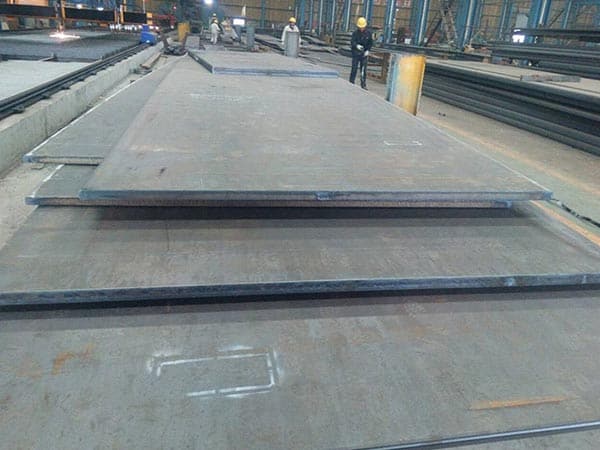
Understanding the Core of S420MC: A High-Strength Structural Grade
S420MC is a high-yield-strength steel specifically designed for cold-forming applications, governed by the European standard EN 10149-2. When engineers and procurement specialists discuss the differences between "black" and "painted" S420MC, they are often referring to the surface condition and the subsequent chemical interactions rather than a fundamental change in the base metal's ladle analysis. Black S420MC refers to the hot-rolled state, often retaining its mill scale, while painted S420MC has undergone surface preparation and the application of a protective coating. To understand the nuances, we must look deep into the chemical matrix that gives this steel its reputation for toughness and formability.
The Fundamental Chemical Composition of S420MC
The chemical composition of S420MC is engineered through a process known as thermomechanical rolling. This process allows for a lower carbon content compared to traditional normalized steels of the same strength level, which significantly enhances weldability and ductility. Whether the steel is eventually sold as black or painted, the base chemistry must adhere to strict limits to ensure its mechanical integrity.
| Element | Maximum Percentage (%) | Role in S420MC Performance |
|---|---|---|
| Carbon (C) | 0.12 | Ensures strength while maintaining excellent weldability. |
| Manganese (Mn) | 1.60 | Increases hardness and tensile strength. |
| Silicon (Si) | 0.50 | Acts as a deoxidizer and improves yield strength. |
| Phosphorus (P) | 0.025 | Kept low to prevent cold shortness and brittleness. |
| Sulfur (S) | 0.015 | Minimized to improve toughness and surface quality. |
| Niobium (Nb) | 0.09 | Refines grain size for higher strength and impact resistance. |
| Titanium (Ti) | 0.15 | Provides grain stabilization at high temperatures. |
| Vanadium (V) | 0.20 | Enhances precipitation hardening. |
Black S420MC: The Role of Mill Scale and Surface Oxides
Black S420MC is the raw, hot-rolled version of the steel. The term "black" comes from the dark layer of iron oxides—magnetite (Fe3O4) and wustite (FeO)—that forms on the surface during the cooling process. While the internal chemical composition remains consistent with the table above, the surface chemistry of black S420MC is vastly different from its painted counterpart.
- Oxide Barrier: The mill scale acts as a temporary barrier against atmospheric corrosion, but it is chemically unstable for long-term use.
- Surface Roughness: The chemical interaction between the hot steel and oxygen creates a micro-pitted surface that can trap moisture if not properly managed.
- Weldability Factors: When welding black S420MC, the surface oxides can introduce impurities into the weld pool, requiring higher heat inputs or mechanical cleaning to prevent porosity.
Painted S420MC: Chemical Pre-treatment and Adhesion
The transition from black to painted S420MC involves a critical chemical cleaning process, usually pickling (using hydrochloric acid) to remove the mill scale. Once the pure metallic surface is exposed, it is often passivated or primed. The "painted" aspect introduces a new chemical layer—typically an epoxy, polyurethane, or zinc-rich primer—that bonds with the S420MC substrate.
The chemical composition of the paint must be compatible with the low-carbon, micro-alloyed nature of S420MC. Because S420MC contains elements like Niobium and Titanium, the surface energy is relatively high, which facilitates excellent adhesion for industrial coatings. Painted S420MC is preferred in environments where the chemical stability of the surface is paramount to prevent sub-film corrosion.
Mechanical Performance and Processing Characteristics
The core mechanical properties of S420MC are defined by its chemical composition and the thermomechanical rolling process. Both black and painted versions share these foundational attributes, but the surface condition affects how they behave during fabrication.
- Yield Strength: S420MC provides a minimum yield strength of 420 MPa, allowing for significant weight reduction in structural designs.
- Cold Forming: The low carbon and sulfur content allow for tight bending radii without cracking. Painted S420MC is often painted after forming to ensure the coating remains intact.
- Impact Toughness: The micro-alloying elements (Nb, V, Ti) ensure that the steel maintains its toughness even at lower temperatures, a critical factor for mobile machinery.
Environmental Adaptability and Corrosion Resistance
The primary reason for choosing painted S420MC over black is the drastic difference in environmental adaptability. Black S420MC is susceptible to rapid oxidation (rusting) when exposed to humidity. The chemical composition of the steel does not include high levels of Chromium or Nickel, meaning it lacks inherent "stainless" properties.
Painted S420MC utilizes a chemical barrier to prevent the electrochemical reaction between the iron in the steel and the oxygen/moisture in the air. In coastal or industrial environments with high sulfur dioxide (SO2) or chloride levels, the chemical integrity of the paint system is the only thing protecting the high-strength S420MC core from structural degradation.
Industry Applications: Where Each Type Excels
The choice between black and painted S420MC is driven by the specific requirements of the end-use industry. While the chemical composition ensures the strength is there, the surface treatment dictates the longevity.
Automotive and Transportation: S420MC is a staple for truck chassis, cross members, and suspension parts. In these applications, painted or e-coated S420MC is standard to withstand road salts and debris. The chemical bond of the e-coat to the pickled S420MC surface ensures that the chassis remains structurally sound for the vehicle's lifespan.
Heavy Machinery and Cranes: For telescopic booms and large structural frames, black S420MC is often purchased in bulk, then shot-blasted and painted after the welding and assembly process is complete. This ensures that the weld zones, which have undergone local chemical changes due to heat, are fully protected.
Renewable Energy: In solar tracking systems and wind turbine internal components, S420MC's high strength-to-weight ratio is utilized. Painted or galvanized versions are used to ensure these structures can survive 20-25 years in outdoor environments without maintenance.
Technical Considerations for Fabrication
When working with S420MC, understanding the chemical influence on fabrication is vital. For black S420MC, the presence of mill scale can wear down cutting tools and bending dies faster than the smooth surface of pickled and oiled or painted steel. Conversely, when welding painted S420MC, the coating must be removed near the weld zone to prevent the paint's chemical components from vaporizing and causing weld defects or health hazards for the operator.
The micro-alloyed nature of S420MC means it is sensitive to excessive heat input. Whether the steel is black or painted, maintaining a low interpass temperature during welding is necessary to preserve the fine grain structure created by the Niobium and Vanadium additions. Failure to do so can lead to a localized reduction in yield strength, regardless of the surface treatment.
Future Trends in S420MC Surface Chemistry
As industries move toward more sustainable practices, the chemical treatments for S420MC are evolving. Chrome-free passivation and water-based painting systems are becoming more common. Furthermore, the development of "thin-film" chemical coatings allows for S420MC to be protected during transport and storage (similar to black steel) but without the need for intensive pickling before final painting, reducing the chemical footprint of the manufacturing process.
The synergy between the high-strength chemical core of S420MC and advanced surface technologies continues to make this grade one of the most versatile materials in modern engineering. Whether choosing the raw, rugged nature of black S420MC or the refined, protected finish of painted S420MC, the underlying chemical excellence of EN 10149-2 remains the foundation of its success.
Leave a message