
What are the top ten en 10149-2 specification suppliers in Nigeria
Discover the leading EN 10149-2 specification suppliers in Nigeria. This comprehensive guide covers high-yield strength steel grades like S355MC to S700MC, their mechanical properties, and how to source premium thermomechanically rolled steel for Nigerian
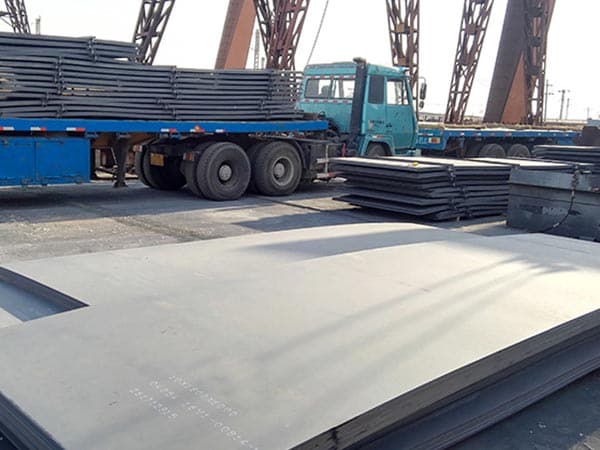
Understanding the Impact of EN 10149-2 Specification in the Nigerian Industrial Landscape
Nigeria's industrial sector is undergoing a significant transformation, driven by infrastructure development, automotive assembly growth, and the expansion of the oil and gas auxiliary industries. At the heart of this evolution is the demand for high-performance materials, specifically EN 10149-2 specification steel. This European standard specifies the requirements for hot-rolled high yield strength steels for cold forming. These steels are typically thermomechanically rolled, offering a unique combination of high strength, excellent weldability, and superior formability.
For procurement managers and engineers in Lagos, Port Harcourt, and Abuja, identifying reliable suppliers is not just about price; it is about technical compliance and material longevity. The EN 10149-2 standard covers grades ranging from S315MC to S700MC. The 'MC' suffix denotes that the material is thermomechanically rolled (M) and intended for cold forming (C). In the humid and demanding environments of Nigeria, the consistency of these materials is paramount for structural integrity.
Key Technical Attributes of EN 10149-2 Steel Grades
The primary advantage of EN 10149-2 steel lies in its micro-alloying technology. By adding small amounts of Niobium (Nb), Vanadium (V), or Titanium (Ti), manufacturers can achieve a fine-grained structure that provides high yield strength without the need for high carbon content. This low carbon equivalent (CEV) is critical for the Nigerian market, where on-site welding is common, as it minimizes the risk of cold cracking.
- Yield Strength: Ranges from 315 MPa to 700 MPa, allowing for significant weight reduction in vehicle chassis and crane booms.
- Cold Formability: Despite their high strength, these steels can be bent to tight radii without cracking, which is essential for manufacturing complex structural components.
- Surface Quality: The hot-rolling process under controlled temperatures ensures a clean surface that is conducive to painting and galvanizing.
- Impact Toughness: These grades maintain their ductility even at lower temperatures, which, while Nigeria is a tropical climate, is vital for equipment exported or used in pressurized environments.
Top Ten EN 10149-2 Specification Suppliers Serving Nigeria
Identifying the "top" suppliers requires looking at those who possess the logistics capability to navigate the Nigerian ports (Apapa and Onne) and the technical expertise to provide Mill Test Certificates (MTC) according to EN 10204 3.1. While many local firms act as intermediaries, the most reliable supply chains involve a mix of global manufacturers and specialized regional distributors.
1. ArcelorMittal Projects Nigeria: As a global leader, ArcelorMittal provides direct access to high-grade S500MC and S700MC. Their technical support team helps Nigerian engineers optimize designs to reduce steel weight.
2. Voestalpine High Performance Metals: Known for their specialized thermomechanically rolled plates, they cater to high-end manufacturing sectors in Nigeria, particularly for heavy machinery components.
3. BBN Steel: A prominent international supplier with a robust export network to West Africa. They are recognized for maintaining a deep inventory of S355MC and S460MC, providing cut-to-size services for Nigerian clients.
4. Thyssenkrupp Materials Services: They offer comprehensive supply chain solutions in Nigeria, ensuring that EN 10149-2 materials are delivered with full traceability and quality assurance.
5. Tata Steel International: Tata has a long-standing presence in the African market, supplying high-strength automotive grades that meet the EN 10149-2 standard for local assembly plants.
6. SSAB (Swedish Steel): Famous for their Strenx brand, which often exceeds EN 10149-2 requirements, SSAB works with Nigerian partners to provide high-strength structural steels for the transport sector.
7. POSCO Africa: Leveraging South Korean manufacturing excellence, POSCO supplies high-yield hot-rolled coils to Nigerian pipe manufacturers and construction firms.
8. Baosteel (China Baowu): A critical supplier for large-scale infrastructure projects in Nigeria, offering competitive pricing on bulk orders of S315MC through S550MC.
9. local Stockists in Lagos (e.g., General Steel & Allied Products): While they often source from the giants mentioned above, these local players provide the advantage of immediate availability and Naira-based transactions.
10. European Steel Distributors (e.g., Kloeckner Metals): They bridge the gap for specialized project requirements where small quantities of multiple EN 10149-2 grades are needed simultaneously.
Comparative Analysis of Common EN 10149-2 Grades
| Grade | Yield Strength (min MPa) | Tensile Strength (MPa) | Elongation (min %) | Typical Applications in Nigeria |
|---|---|---|---|---|
| S315MC | 315 | 390-510 | 20 | Agricultural equipment, light structural frames |
| S355MC | 355 | 430-550 | 19 | Truck chassis, building structures, storage tanks |
| S420MC | 420 | 480-620 | 16 | Heavy-duty trailers, crane arms, cold-pressed parts |
| S500MC | 500 | 550-700 | 12 | High-stress automotive components, telescopic booms |
| S700MC | 700 | 750-950 | 10 | Ultra-lightweight structural engineering, heavy lifting |
Environmental and Process Adaptability in the Nigerian Context
The Nigerian climate, characterized by high humidity and salinity in coastal regions like Port Harcourt, necessitates materials that can be easily protected. EN 10149-2 steels, due to their fine-grained structure, offer a very uniform surface for protective coatings. When sourcing from top suppliers, it is vital to ensure the steel has been stored correctly to prevent heavy pitting before it reaches the fabrication stage.
Furthermore, the weldability of these steels is a game-changer for Nigerian fabricators. Traditional high-strength steels often require extensive pre-heating and post-weld heat treatment. However, the low carbon equivalent of S355MC to S700MC allows for efficient welding using standard MIG/MAG or SMAW processes, which are widely available across Nigerian workshops. This reduces labor costs and accelerates project timelines in the construction of oil-field skids and heavy-duty transport trailers.
Sourcing Strategies for Nigerian Enterprises
When engaging with EN 10149-2 specification suppliers, Nigerian businesses should prioritize traceability and certification. A valid Mill Test Certificate should always accompany the shipment, detailing the chemical analysis and mechanical testing results. This is especially important for the oil and gas sector, where regulatory bodies like the NCDMB (Nigerian Content Development and Monitoring Board) require strict adherence to international standards.
Logistics also play a crucial role. Suppliers who offer DDP (Delivered Duty Paid) or CIF (Cost, Insurance, and Freight) terms to Lagos or Port Harcourt are often preferred, as they handle the complexities of international shipping and clearing. For smaller fabrication shops, partnering with local distributors who stock EN 10149-2 grades allows for "just-in-time" procurement, reducing the capital tied up in inventory.
Finally, the transition toward higher-strength steels like S700MC is an opportunity for Nigerian manufacturers to become more competitive globally. By reducing the dead weight of trailers and equipment, transport companies can increase payloads and reduce fuel consumption, providing a direct economic benefit in a market where operational costs are a constant challenge.
Leave a message