
What is the en 10149-1 pdf refining
Understand the complexities of EN 10149-1. This comprehensive guide covers metallurgical refining, thermomechanical rolling (TMCP), mechanical properties, and industrial applications for high-strength steel grades like S355MC to S700MC.
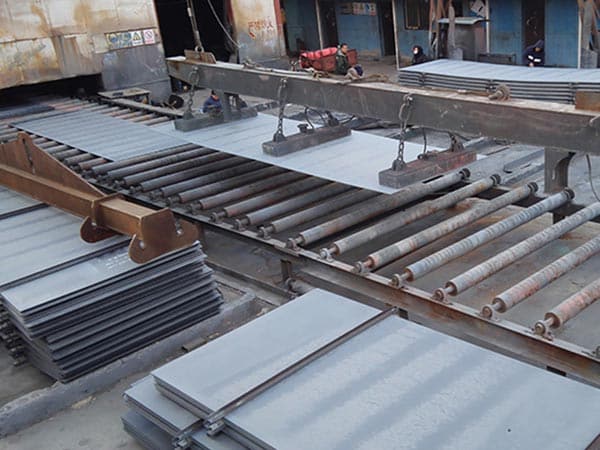
Decoding the Core of EN 10149-1: More Than Just a Specification
When engineers and procurement specialists search for the EN 10149-1 PDF, they are looking for the technical foundation of modern high-strength low-alloy (HSLA) steels. EN 10149-1 is the European standard that dictates the general delivery conditions for hot-rolled flat products made of high yield strength steels specifically designed for cold forming. Unlike standard structural steels, these materials undergo a sophisticated refining process known as thermomechanical rolling (TMCP), which allows for a unique combination of high strength, excellent weldability, and superior toughness.
The "refining" aspect of this standard refers to the metallurgical precision required to achieve specific grain structures. By controlling the temperature and deformation during the rolling process, manufacturers can produce steel that is significantly stronger than traditional hot-rolled products without increasing the carbon content. This leads to a material that is not only robust but also highly responsive to complex fabrication techniques.
The Metallurgy of Refinement: Thermomechanical Rolling (TMCP)
The brilliance of EN 10149-1 lies in its reliance on TMCP. Conventional normalized steels achieve their properties through heat treatment after rolling. In contrast, TMCP steels are "refined" during the rolling process itself. By precisely controlling the cooling rate and the timing of mechanical pressure, the steel develops a fine-grained ferrite-pearlite or even a bainitic microstructure.
- Grain Refinement: Micro-alloying elements such as Niobium (Nb), Vanadium (V), and Titanium (Ti) are added in minute quantities. These elements form precipitates that pin grain boundaries, preventing grain growth and ensuring a uniform, fine structure.
- Low Carbon Equivalent: Because the strength is derived from grain size rather than carbon content, these steels maintain a low Carbon Equivalent Value (CEV). This is critical for preventing cold cracking during welding operations.
- Inclusion Shape Control: The refining process often includes calcium treatment to globularize sulfides, which improves the steel's ductility in the transverse direction, making it ideal for tight-radius bending.
Comprehensive Grade Overview and Mechanical Performance
The EN 10149-1 framework serves as the umbrella for several specific grades, usually designated by their minimum yield strength followed by the letters 'MC' (Thermomechanically rolled, Cold forming). The range typically spans from S315MC to S700MC. Understanding the mechanical trade-offs between these grades is essential for optimizing component weight and durability.
| Steel Grade | Min. Yield Strength (MPa) | Tensile Strength (MPa) | Min. Elongation (%) | Bending Radius (180°) |
|---|---|---|---|---|
| S315MC | 315 | 390-510 | 20-24 | 0.25t |
| S355MC | 355 | 430-550 | 19-23 | 0.5t |
| S420MC | 420 | 480-620 | 16-19 | 0.5t |
| S500MC | 500 | 550-700 | 12-14 | 1.0t |
| S700MC | 700 | 750-950 | 10-12 | 1.5t |
As seen in the table, the refining of yield strength allows for a dramatic increase in load-bearing capacity. For instance, moving from S355MC to S700MC nearly doubles the strength, enabling designers to reduce the thickness of structural components by up to 40% without compromising safety. This weight reduction is a primary driver in the automotive and heavy transport industries.
Fabrication and Processing Advantages
One of the most significant advantages of steels refined under EN 10149-1 is their processability. High-strength steels were historically difficult to weld and form, but the modern TMCP approach has mitigated these issues.
Cold Forming: These steels are specifically designed for bending, pressing, and folding. The refined microstructure ensures that the material does not crack even when subjected to extreme deformation. However, it is vital to respect the minimum bending radii specified in the standard to avoid localized strain hardening or surface tears.
Welding Compatibility: Due to the low carbon content, EN 10149-1 steels exhibit excellent weldability using standard methods such as MAG, TIG, and laser welding. The heat-affected zone (HAZ) remains relatively stable, though high heat input should be avoided to prevent excessive grain growth which could soften the material in the joint area.
Laser and Plasma Cutting: The clean chemistry and uniform thickness of these plates make them perfect for automated laser cutting. The lack of internal stresses ensures that parts remain flat after cutting, reducing the need for secondary straightening processes.
Environmental Adaptability and Lifecycle Sustainability
Refined high-strength steels contribute significantly to environmental sustainability. By utilizing the higher yield strengths of EN 10149-1 grades, manufacturers can build lighter vehicles and machinery. This leads to lower fuel consumption and reduced CO2 emissions throughout the equipment's operational life.
Furthermore, the atmospheric corrosion resistance of these steels can be enhanced through specific alloying adjustments, though they are generally intended for use in painted or coated conditions. Their high fatigue strength ensures a long service life even under dynamic loading conditions, which is a critical factor for mobile cranes, chassis, and agricultural equipment.
Critical Industry Applications
The adoption of EN 10149-1 refined steels is widespread across sectors where the strength-to-weight ratio is a competitive advantage.
- Automotive Industry: Used for chassis members, cross-beams, and safety reinforcements where high energy absorption and low weight are mandatory.
- Lifting and Transportation: Telescopic booms for cranes, trailer frames, and skip loaders rely on grades like S700MC to maximize payload capacity.
- Agricultural Machinery: Plow frames, harvesters, and spreader components benefit from the impact toughness and wear resistance provided by the fine-grained structure.
- Cold Pressed Parts: Complex structural brackets and housings that require significant deformation during manufacturing.
Technical Considerations for Procurement
When referencing an EN 10149-1 PDF for procurement, it is essential to specify the delivery condition (MC) and the required impact testing if applicable (often defined in EN 10149-2). Buyers should also verify the surface finish requirements, as these steels are typically supplied in a pickled and oiled state to facilitate immediate processing and protect the refined surface from oxidation during transport.
Quality assurance involves checking the mill test certificate (MTC) for compliance with chemical composition limits. The phosphorus and sulfur levels are kept extremely low (typically <0.025% and <0.015% respectively) to ensure the internal purity of the steel, which is the ultimate hallmark of the refining process governed by this standard.
Leave a message