
What is the s355mc what does mc stand for price export to Malaysia
Explore S355MC steel properties, the meaning of 'MC', mechanical specifications, and a detailed guide on pricing and exporting to the Malaysian market.
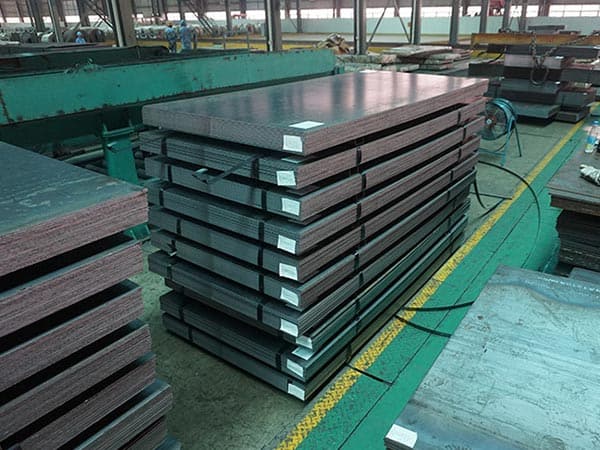
The Technical Essence of S355MC: High-Strength Low-Alloy Steel
S355MC is a high-yield strength, hot-rolled steel specifically designed for cold-forming applications. Governed by the European standard EN 10149-2, this grade represents a significant leap in metallurgical engineering, offering a balance between weight reduction and structural integrity. Unlike standard structural steels like s355jr, S355MC is optimized for complex shaping, making it a staple in industries that demand both strength and ductility. Its micro-alloyed composition allows for a refined grain structure, which is the secret behind its superior mechanical performance.
Decoding the Nomenclature: What Does MC Stand For?
Understanding the designation of S355MC is crucial for engineers and procurement specialists. The 'S' denotes structural steel, while '355' indicates the minimum yield strength of 355 Megapascals (MPa) for thicknesses up to 16mm. The suffix 'MC' carries two distinct meanings that define the steel's processing and intended use:
- M (Thermomechanically Rolled): This refers to the Thermomechanical Control Process (TMCP). Unlike traditional normalizing, TMCP involves precise temperature control and specific deformation rates during the rolling process. This technique refines the grain size to an ultra-fine level, enhancing both strength and toughness without the need for high carbon content.
- C (Cold Forming): This indicates that the steel is specifically suited for cold-forming processes such as bending, flanging, and folding. The 'C' grade ensures that the material can withstand significant deformation without cracking, which is essential for manufacturing chassis, brackets, and complex structural components.
Chemical Composition and the Role of Micro-Alloying
The performance of S355MC is rooted in its low-carbon chemistry, supplemented by micro-alloying elements such as Niobium (Nb), Vanadium (V), and Titanium (Ti). These elements form stable carbides and nitrides that pin grain boundaries during the rolling process, preventing grain growth. This result is a material with a very low Carbon Equivalent (CEV), which significantly improves weldability. By keeping carbon levels low (typically below 0.12%), the steel avoids the brittle phases often found in higher-carbon structural grades.
| Element | Maximum Content (%) |
|---|---|
| Carbon (C) | 0.12 |
| Manganese (Mn) | 1.50 |
| Silicon (Si) | 0.50 |
| Phosphorus (P) | 0.025 |
| Sulfur (S) | 0.020 |
| Aluminium (Al) | 0.015 |
Mechanical Properties and Fabrication Advantages
S355MC provides a robust mechanical profile that allows for thinner sections to carry the same load as thicker, lower-grade steels. This weight-saving potential is a primary driver for its adoption in the transportation sector. The yield-to-tensile ratio is carefully managed to ensure that the material remains predictable during the manufacturing process. Furthermore, its elongation properties (typically 19% to 23% depending on thickness) ensure that it can handle the stresses of deep drawing and tight-radius bending.
From a fabrication perspective, S355MC is highly versatile. It is exceptionally well-suited for laser cutting due to its consistent surface quality and lack of internal stresses. When it comes to welding, the low CEV means that preheating is rarely required, reducing labor costs and cycle times. The material maintains its toughness even in the Heat Affected Zone (HAZ), which is a critical safety factor for load-bearing structures.
S355MC Price Dynamics in the Global Market
The price of S355MC is influenced by several macroeconomic and industry-specific factors. As a micro-alloyed steel, its cost is slightly higher than standard S235 or S355JR grades due to the specialized TMCP rolling process and the addition of alloying elements like Niobium. Key price drivers include:
- Raw Material Costs: Fluctuations in iron ore, coking coal, and scrap steel prices directly impact the base cost.
- Energy Costs: The TMCP process is energy-intensive; therefore, regional electricity and gas prices play a significant role in mill pricing.
- Supply and Demand: Increased demand from the automotive and renewable energy sectors (e.g., solar racking) can tighten supply and drive up premiums.
- Logistics and Freight: For imported S355MC, ocean freight rates and port handling fees are major components of the final landed cost.
Exporting S355MC to Malaysia: Key Considerations
Exporting steel to Malaysia requires a deep understanding of local regulations and market preferences. Malaysia has a robust manufacturing base, particularly in the automotive and heavy machinery sectors, making it a prime destination for S355MC. However, several hurdles must be navigated:
SIRIM Certification: The Standard and Industrial Research Institute of Malaysia (SIRIM) mandates that structural steel used in construction and certain industrial applications must meet specific Malaysian Standards (MS). While S355MC is an EN standard, exporters often need to provide equivalent testing data or obtain SIRIM Product Certification to clear customs and satisfy local project requirements.
Trade Agreements and Duties: Malaysia is a member of ASEAN, and trade with countries like China is often governed by the ACFTA (ASEAN-China Free Trade Area). Utilizing a "Form E" certificate of origin can significantly reduce or eliminate import duties, making the steel more competitive in the local market. It is vital to check the current HS Code (typically under 7208) for any anti-dumping duties that might apply to specific countries of origin.
Environmental Adaptability in Tropical Climates
Malaysia's tropical climate, characterized by high humidity and salt-laden air in coastal regions like Port Klang or Penang, poses a challenge for steel storage. S355MC is often supplied in a "Pickled and Oiled" (P&O) condition to protect the surface from oxidation during sea transit and warehouse storage. For long-term durability in Malaysian infrastructure, secondary coatings such as hot-dip galvanizing or high-performance epoxy paints are recommended. The fine grain structure of S355MC provides an excellent substrate for these coatings, ensuring superior adhesion and corrosion resistance.
Applications in the Malaysian Industrial Landscape
The versatility of S355MC aligns perfectly with Malaysia's industrial growth. In the automotive sector, it is used for truck frames and chassis components where weight reduction is critical for fuel efficiency. The burgeoning solar energy market in Malaysia also utilizes S355MC for mounting structures, as its high strength allows for longer spans and fewer support pillars. Additionally, the heavy machinery industry uses this grade for crane arms and agricultural equipment, benefiting from its ability to be cold-formed into complex, high-strength shapes without the risk of brittle failure.
When sourcing S355MC for the Malaysian market, it is essential to partner with suppliers who provide full Mill Test Certificates (MTC) according to EN 10204 3.1. This ensures traceability and confirms that the chemical and mechanical properties meet the rigorous requirements of the EN 10149-2 standard, providing peace of mind for both the importer and the end-user.
Leave a message