
What is the S960MC automotive steel plate on sale hardness?
Detailed analysis of S960MC automotive steel plate hardness, mechanical properties, chemical composition, and industrial processing requirements for high-performance applications.
Understanding the Hardness Profile of S960MC Automotive Steel
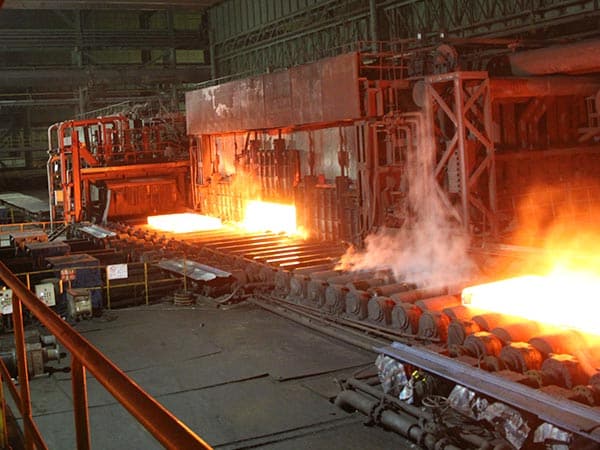
When discussing the S960MC automotive steel plate, hardness is often one of the first metrics engineers and procurement specialists scrutinize. However, it is essential to recognize that S960MC is defined primarily by its yield strength rather than a specific hardness range in the EN 10149-2 standard. For those looking at S960MC on sale, the typical Brinell hardness (HBW) generally falls between 300 and 360 HBW. This hardness level is achieved through a sophisticated thermomechanical rolling process, which creates a fine-grained microstructure without the need for traditional quenching and tempering. Unlike wear-resistant steels (like AR400 or AR500), S960MC balances this hardness with exceptional ductility, allowing it to be cold-formed into complex structural components.
The hardness of S960MC is a direct reflection of its tensile strength. With a minimum yield strength of 960 MPa and a tensile strength typically ranging from 1000 to 1250 MPa, the material exhibits a resistance to indentation that is significantly higher than standard structural steels like S355. This makes it particularly effective for components that require a degree of surface durability alongside massive load-bearing capacity. When sourcing this material, understanding that hardness is a derivative of its thermomechanical treatment helps in predicting how the material will behave during abrasive wear or localized high-pressure contact.
Mechanical Properties: More Than Just Hardness
While hardness provides a snapshot of surface integrity, the true value of S960MC lies in its comprehensive mechanical profile. The "MC" designation signifies that the steel is thermomechanically rolled (M) and intended for cold forming (C). This process ensures that the steel maintains a high strength-to-weight ratio, which is the primary driver for its use in the automotive and heavy transport sectors.
| Property | Value (Minimum/Range) |
|---|---|
| Yield Strength (ReH) | 960 MPa |
| Tensile Strength (Rm) | 1000 - 1250 MPa |
| Elongation (A80mm) | Min 7% (depending on thickness) |
| Typical Hardness | 300 - 360 HBW |
| Impact Strength (-40°C) | Min 27 J (optional specification) |
The high yield strength allows designers to reduce the thickness of structural parts without compromising safety. This weight reduction is critical for improving fuel efficiency and increasing the payload capacity of commercial vehicles. The elongation properties, although lower than those of mild steel, are remarkably high for a material with nearly 1000 MPa of yield strength, facilitating bending and folding operations that would be impossible with brittle high-hardness plates.
Chemical Composition and Micro-Alloying Strategy
The impressive hardness and strength of S960MC are not the result of high carbon content. In fact, S960MC maintains a very low carbon equivalent to ensure excellent weldability. The strength is derived from micro-alloying elements such as Niobium (Nb), Vanadium (V), and Titanium (Ti). These elements promote grain refinement and precipitation hardening during the rolling process.
- Carbon (C): Kept below 0.20% to maintain ductility and weldability.
- Manganese (Mn): Increases hardenability and strength without making the steel brittle.
- Silicon (Si): Acts as a deoxidizer and contributes to solid solution strengthening.
- Niobium and Titanium: Essential for grain size control, ensuring the steel remains tough even at sub-zero temperatures.
By carefully controlling these elements, manufacturers produce a steel plate that offers a uniform hardness across its entire cross-section. This uniformity is vital for consistent performance during laser cutting and automated welding processes, where variations in material chemistry could lead to defects or inconsistent joint quality.
Processing S960MC: Bending and Cold Forming
Despite its high hardness, S960MC is designed for cold forming. However, the high strength means that the forces required for bending are significantly higher than those needed for conventional steels. When working with S960MC, the minimum bending radius is a critical parameter. Generally, for a plate thickness (t), the recommended internal bending radius is at least 4.0t to 5.0t, depending on the orientation of the bend relative to the rolling direction.
Springback is another factor that fabricators must account for. Due to the high elastic limit of 960 MPa, the material will attempt to return to its original shape more aggressively than lower-grade steels. Precision CNC press brakes with high tonnage and sophisticated compensation systems are typically required to achieve accurate angles. It is also recommended to ensure that the edges of the plate are smooth and free from burrs before bending, as the high hardness makes the material sensitive to stress concentrations that could initiate cracking during the forming process.
Welding Characteristics of High-Strength Steel
One of the primary concerns when purchasing S960MC on sale is how it responds to welding. Because the strength is achieved through thermomechanical rolling, excessive heat input can soften the Heat Affected Zone (HAZ), leading to a localized reduction in hardness and tensile strength. To prevent this, low heat input welding techniques are mandatory.
Using high-quality filler metals that match the strength of the base material is essential. However, in some designs, under-matching filler metals are used to increase the toughness of the weld joint, provided the structural design allows for it. Preheating is generally not required for S960MC due to its low carbon equivalent, which is a major advantage in reducing fabrication time and costs. However, maintaining a controlled interpass temperature is vital to ensure the fine-grained microstructure does not transform into a coarser, weaker state.
Environmental Adaptability and Fatigue Life
S960MC is frequently used in equipment operating in harsh environments, from arctic temperatures to vibrating industrial sites. Its low-temperature impact toughness ensures that the material does not undergo a brittle transition in cold climates, which is a common failure mode for lesser high-strength steels. This makes it a staple for the manufacturing of mobile cranes and forestry machinery.
In terms of fatigue resistance, the high yield strength of S960MC provides a significant advantage. Fatigue failure often starts at the surface, and the relatively high hardness of S960MC helps resist the initiation of micro-cracks. When combined with modern design techniques like Finite Element Analysis (FEA), S960MC allows for the creation of lightweight structures that can withstand millions of load cycles, making it indispensable for the chassis of heavy-duty trailers and the booms of long-reach excavators.
Industry Expansion: Where S960MC Dominates
The application of S960MC has expanded far beyond basic automotive frames. Its unique combination of hardness, strength, and weldability has made it a preferred choice in several high-stakes industries:
- Lifting Equipment: Telescopic cranes and aerial work platforms benefit from the weight savings, allowing for higher reach and greater lifting capacities.
- Heavy Transport: Chassis for semi-trailers and car transporters use S960MC to maximize payload while maintaining structural integrity under dynamic loads.
- Agricultural Machinery: Large-scale harvesters and tillage equipment utilize the steel's hardness to resist wear from soil and crop contact while keeping the overall machine weight manageable.
- Mining and Construction: Support structures and conveyor systems in mines require the high strength of S960MC to handle the massive weights of extracted materials.
As the global push for sustainability and carbon reduction intensifies, the role of ultra-high-strength steels like S960MC becomes even more prominent. By using less material to achieve the same or better structural performance, manufacturers can reduce the carbon footprint of the production phase and the operational phase of the vehicle's lifecycle. S960MC represents the pinnacle of current thermomechanical rolling technology, offering a balance of properties that once required expensive heat treatments and alloying strategies.
When evaluating S960MC for a project, it is crucial to partner with suppliers who provide full traceability and mill test certificates. This ensures that the hardness and mechanical properties meet the rigorous demands of modern engineering. The "on sale" availability of such high-grade material allows for innovation in design, pushing the boundaries of what is possible in steel construction and transport technology.
Leave a message