
How to cut S700MC cold rolled coil
Discover the expert techniques for cutting S700MC high-strength cold rolled coils. This guide explores laser, plasma, and mechanical methods, focusing on edge quality and structural integrity.
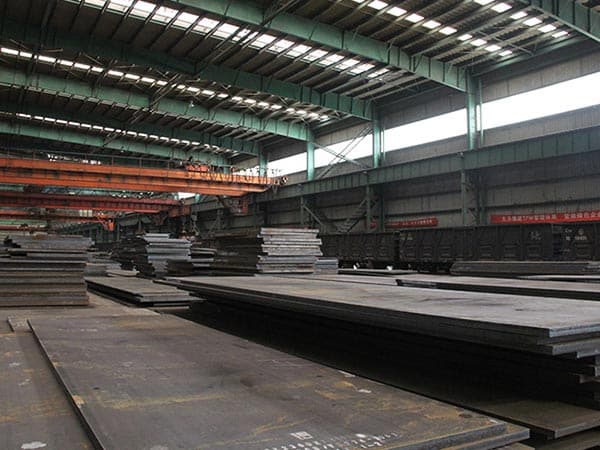
The Technical Essence of S700MC High-Strength Steel
S700MC is a high-yield-strength, thermomechanically rolled steel that has revolutionized the heavy machinery and automotive industries. With a minimum yield strength of 700 MPa, this material allows for significant weight reduction without compromising structural integrity. Unlike traditional carbon steels, S700MC gains its strength from a fine-grained microstructure achieved through micro-alloying with elements like Niobium (Nb), Vanadium (V), and Titanium (Ti). When dealing with S700MC cold rolled coils, the cutting process is not merely a separation of material but a critical metallurgical operation that influences the final performance of the component. The high yield-to-tensile ratio and the specific internal stress profile of cold-rolled products necessitate a specialized approach to cutting to prevent edge cracking, excessive burr formation, or undesirable heat-affected zones (HAZ).
Laser Cutting Strategies for S700MC
Laser cutting is the most common method for processing S700MC due to its precision and minimal thermal input. However, the high strength of the material reacts differently to the laser beam compared to standard S235 or S355 grades. Fiber laser technology is particularly effective for S700MC coils in the 2mm to 8mm thickness range. To achieve a clean cut, the focal point must be positioned precisely at the center or slightly below the surface of the sheet to ensure the energy density is sufficient to melt the micro-alloyed matrix cleanly.
- Gas Selection: Nitrogen is preferred over Oxygen when edge oxidation must be avoided for subsequent welding. Nitrogen cutting provides a bright, clean edge, though it requires higher power.
- Cutting Speed: For S700MC, maintaining a consistent speed is vital. If the speed is too low, the heat accumulation can cause the fine-grained structure to coarsen, reducing the local yield strength.
- Nozzle Geometry: Using a double-layer nozzle can help stabilize the gas flow, which is crucial for blowing away the high-viscosity molten pool characteristic of S700MC.
Mechanical Shearing and Tooling Requirements
Mechanical shearing of S700MC cold rolled coils requires equipment with significantly higher shear force capacity than that used for mild steel. Because the material is exceptionally hard, the shear blades must be made of high-quality tool steel, typically hardened to HRC 58-62. Blade clearance is the most critical factor here. For S700MC, a clearance of 12% to 15% of the material thickness is generally recommended to ensure a clean fracture zone and minimize the shear-affected zone.
| Property | S700MC Requirement | Impact on Cutting |
|---|---|---|
| Yield Strength | Min 700 MPa | Requires higher cutting force and laser power |
| Tensile Strength | 750 - 950 MPa | Increases tool wear and resistance |
| Elongation (A80) | Min 10% | Affects the fracture behavior during shearing |
| Carbon Equivalent (CEV) | Max 0.39 | Good weldability but sensitive to rapid cooling |
Plasma Cutting Optimization
For thicker sections of S700MC coils or when high productivity is prioritized over extreme precision, high-definition plasma cutting is a viable alternative. The challenge with plasma cutting S700MC is the width of the heat-affected zone. To minimize this, operators should use Fine Hole Technology and high-flow vortex gas systems. This constricts the plasma arc, resulting in a narrower kerf and a more perpendicular cut edge. It is important to note that the rapid cooling after plasma cutting can lead to increased hardness at the edge, which might require grinding if the part is subject to high fatigue loads.
Waterjet Cutting for Stress-Free Edges
When the application demands zero thermal alteration of the S700MC microstructure, abrasive waterjet cutting is the gold standard. Since this is a cold cutting process, there is no risk of softening the material or inducing thermal stresses. This is particularly beneficial for components used in the crane industry or for safety-critical chassis parts where the original thermomechanical properties must be preserved 100% across the entire cross-section. The downside is the slower processing speed and higher cost per meter, but for high-end S700MC applications, the quality often justifies the investment.
Managing Internal Stresses and Springback
S700MC cold rolled coils often contain residual stresses from the rolling and leveling process. When these coils are cut into smaller blanks, the redistribution of these stresses can cause the material to bow or twist. To mitigate this, it is recommended to use a high-precision leveler before the cutting process. Furthermore, when designing the cutting path (nesting), leave sufficient bridges between parts to maintain the stability of the skeleton. If the parts are destined for further bending, the orientation of the cut relative to the rolling direction must be considered, as S700MC exhibits slight anisotropy in its mechanical properties.
Surface Preparation and Post-Cutting Care
The surface of S700MC cold rolled coil is usually clean, but any oil or rust can interfere with laser absorption or contaminate the plasma arc. Ensuring a dry, clean surface is the first step to a successful cut. After cutting, the edges should be inspected for micro-cracks, especially if mechanical shearing was used. For high-stress applications, a light deburring or edge rounding (R=0.5mm to 2mm) is recommended to remove the sharp transition zone and improve the fatigue life of the finished component. This also ensures better paint adhesion on the edges, which is often a failure point in heavy machinery coatings.
Industrial Implementation and Quality Control
Integrating S700MC into a production line requires a shift in mindset. Quality control should involve regular checks of the cut edge hardness and microstructure, especially when switching between different batches of coils. By optimizing the cutting parameters—whether it be the laser frequency, the plasma gas mix, or the mechanical blade gap—manufacturers can fully leverage the weight-saving potential of S700MC while ensuring the long-term reliability of the manufactured structures. The focus should always remain on preserving the integrity of the thermomechanically treated grain structure that gives S700MC its world-class performance characteristics.
Leave a message