
What are the top ten S315MC large excavator steel plate suppliers in Nigeria
Explore the characteristics of S315MC steel plates for large excavators and discover how to identify the best suppliers in Nigeria for construction and mining projects.
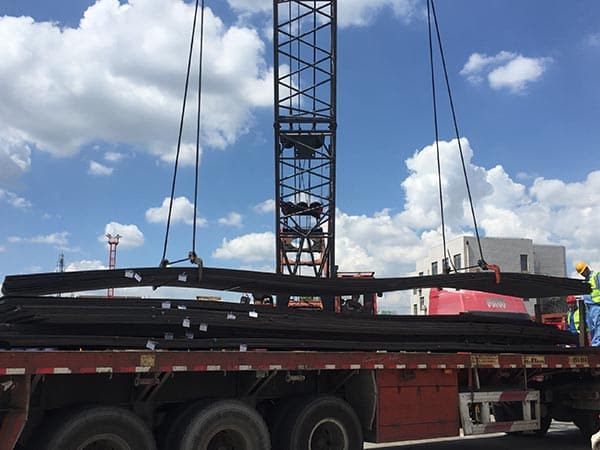
The Critical Role of S315MC Steel in Nigeria's Heavy Machinery Sector
Nigeria's infrastructure boom and expanding mining operations have significantly increased the demand for high-performance machinery. Large excavators, the workhorses of these industries, require structural components that can withstand extreme stress, vibration, and abrasive environments. S315MC steel, a thermomechanically rolled high-yield strength steel for cold forming, has emerged as a preferred material for these applications. This grade, governed by the EN 10149-2 standard, offers a unique balance of strength, ductility, and weldability, making it indispensable for manufacturing excavator booms, arms, and chassis components.
When searching for the top ten S315MC large excavator steel plate suppliers in Nigeria, it is essential to understand that the market is a mix of direct importers, specialized steel stockists, and international trading houses. These suppliers serve major hubs like Lagos, Port Harcourt, and Abuja, providing the raw materials necessary for both equipment maintenance and local fabrication of heavy-duty attachments.
Technical Specifications and Material Attributes of S315MC
S315MC is characterized by its low carbon content and fine-grain structure, achieved through controlled rolling and cooling processes. This metallurgical precision ensures that the steel remains tough even at lower temperatures, which is vital for machinery operating in diverse geological conditions across Nigeria, from the humid coastal regions to the drier northern terrains.
The following table outlines the typical chemical composition of S315MC, highlighting the elements that contribute to its superior performance:
| Element | Max Content (%) |
|---|---|
| Carbon (C) | 0.12 |
| Manganese (Mn) | 1.30 |
| Silicon (Si) | 0.50 |
| Phosphorus (P) | 0.025 |
| Sulfur (S) | 0.020 |
| Niobium (Nb) | 0.09 |
The low carbon equivalent value (CEV) is particularly important for Nigerian fabricators. It means the steel can be welded using standard methods without the intensive pre-heating required by higher carbon steels, reducing operational costs and the risk of heat-affected zone (HAZ) brittleness.
Mechanical Performance for Excavator Applications
Large excavators exert massive hydraulic forces. The steel plates used in their construction must resist permanent deformation while being light enough to maximize fuel efficiency and lift capacity. S315MC provides a minimum yield strength of 315 MPa, which allows for thinner sections compared to traditional S235JR or s355jr steels without sacrificing structural integrity.
| Property | Value |
|---|---|
| Yield Strength (ReH) | min. 315 MPa |
| Tensile Strength (Rm) | 390 - 510 MPa |
| Elongation (A80mm) | min. 20% |
| Bending Radius (90°) | 0.25t to 0.5t |
This high elongation percentage is crucial for cold forming. Manufacturers in Nigeria often need to bend plates into complex shapes for excavator buckets or reinforced booms. S315MC allows for tight bending radii without cracking, ensuring that the finished component maintains its load-bearing capacity throughout its service life.
Environmental Adaptability in the Nigerian Climate
Nigeria’s climate presents unique challenges for steel longevity. Coastal projects in areas like the Niger Delta expose machinery to high salinity and humidity, which accelerates corrosion. While S315MC is not a stainless grade, its fine-grain structure provides a more uniform surface for protective coatings like galvanization or high-performance epoxy paints. Suppliers who understand these environmental factors often provide S315MC plates with shot-blasted and primed surfaces to ensure better adhesion of anti-corrosion layers.
Furthermore, the thermal stability of S315MC ensures that the steel does not lose its mechanical properties during the high ambient temperatures common in northern Nigeria. The consistency of the material ensures that excavator operators experience predictable machine behavior whether they are working in the heat of Sokoto or the temperate climate of the Jos Plateau.
Criteria for Identifying Top S315MC Suppliers in Nigeria
Identifying the top ten suppliers requires looking beyond just the price per ton. Reliability in the Nigerian market is defined by several key factors:
- Certification and Traceability: The best suppliers provide Mill Test Certificates (MTC) according to EN 10204 3.1, ensuring the steel meets the S315MC standard.
- Inventory Range: Top-tier distributors maintain a wide range of thicknesses, typically from 3mm to 12mm, which are most common for excavator bodywork.
- Processing Capabilities: Suppliers offering value-added services such as CNC plasma cutting, laser cutting, and precision bending are highly valued by local engineering firms.
- Logistical Reach: Companies with robust distribution networks that can deliver to remote mining sites or construction zones across all 36 states.
- Technical Support: Knowledgeable suppliers who can advise on welding consumables and forming parameters specifically for S315MC.
Strategic Sourcing: Finding the Top Ten Entities
While specific company rankings can fluctuate based on import cycles, the top ten suppliers in Nigeria generally fall into three categories. First are the large-scale industrial conglomerates with dedicated steel divisions that import directly from European or Asian mills. Second are the specialized metal service centers located in industrial estates like Agbara or Ikorodu. Third are the international steel trading groups that maintain significant bonded warehouses in Lagos and Port Harcourt.
To find these top-tier providers, procurement managers should focus on companies that have a history of supplying the Nigerian Liquefied Natural Gas (NLNG) projects or major federal road construction contracts, as these projects demand the high-grade S315MC steel that meets international safety standards.
Processing and Welding S315MC for Maximum Durability
Utilizing S315MC in excavator repair or manufacturing requires specific technical considerations. When welding these plates, it is recommended to use low-hydrogen consumables to prevent cold cracking. Because of the thermomechanical rolling process used to create S315MC, excessive heat input should be avoided to prevent grain coarsening in the heat-affected zone, which could lead to a localized drop in yield strength.
Cold forming is another area where S315MC excels. Unlike standard hot-rolled plates, S315MC can be bent to very tight angles. This allows Nigerian workshops to create streamlined, aerodynamic, and structurally sound excavator components that reduce wind resistance during transport and improve the overall efficiency of the machine's hydraulic movements.
Expanding Industry Applications Beyond Excavators
While the focus is often on large excavators, the attributes of S315MC make it suitable for a wider range of heavy equipment prevalent in Nigeria. This includes:
- Dump Truck Bodies: The high yield strength allows for thinner, lighter beds that can carry more payload.
- Crane Booms: The weight-to-strength ratio is ideal for mobile cranes used in urban construction.
- Agricultural Equipment: Soil-engaging tools and chassis for large tractors benefit from the toughness of S315MC.
- Telecommunication Towers: Structural plates for base reinforcements in high-wind areas.
The versatility of this steel grade means that a reliable supplier in Nigeria will often serve multiple sectors, ensuring a steady turnover of stock and fresher material for the end-user. Procurement strategies should prioritize suppliers who understand the cross-industry utility of S315MC, as they are more likely to maintain consistent quality standards.
Optimizing Procurement in the Nigerian Market
Navigating the steel supply chain in Nigeria requires a proactive approach to quality control. Buyers should insist on physical inspections of the plates to check for surface defects or laminations, which can occasionally occur during long-distance shipping. Working with suppliers who offer transparency in their sourcing—whether the steel originates from top-tier mills in Germany, China, or India—is vital for ensuring the longevity of the heavy machinery.
By focusing on the technical merits of S315MC and the logistical capabilities of local distributors, businesses can secure a supply chain that supports the rigorous demands of Nigeria's heavy equipment industry. The right steel plate is not just a raw material; it is a foundational component of the nation's industrial growth and infrastructure development.
Leave a message